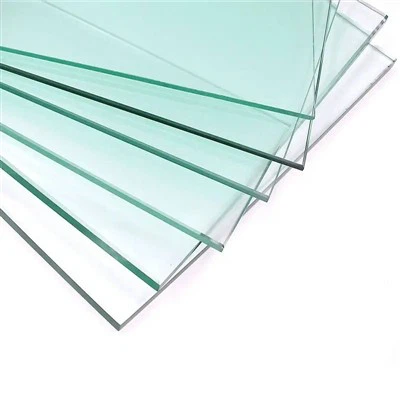
What is the thickness of tempered glass?
As a seasoned tempered glass supplier, I often encounter inquiries regarding the thickness of tempered glass. The thickness of tempered glass is a crucial factor that significantly impacts its performance, applications, and overall suitability for various projects. In this blog post, I'll delve into the details of tempered glass thickness, exploring its significance, common thickness options, and how to choose the right thickness for your specific needs.
Significance of Tempered Glass Thickness
The thickness of tempered glass plays a vital role in determining its strength, durability, and functionality. Thicker tempered glass generally offers greater strength and resistance to impact, making it suitable for applications where safety and security are paramount. On the other hand, thinner tempered glass may be more appropriate for applications where weight and transparency are key considerations.
One of the primary benefits of tempered glass is its enhanced strength compared to ordinary glass. Through a process of controlled heating and rapid cooling, tempered glass is made to be several times stronger than regular glass. The thickness of the glass further contributes to this strength, with thicker glass providing more resistance to breakage and shattering. This makes tempered glass an ideal choice for applications such as windows, doors, shower enclosures, and tabletops, where it may be subjected to accidental impacts or high levels of stress.
In addition to strength, the thickness of tempered glass also affects its acoustic and thermal insulation properties. Thicker glass can provide better soundproofing and thermal insulation, helping to reduce noise transmission and energy consumption in buildings. This is particularly important in commercial and residential applications where comfort and energy efficiency are priorities.
Common Thickness Options
Tempered glass is available in a wide range of thicknesses to meet the diverse needs of different applications. Some of the most common thickness options include:
- 3mm: This is one of the thinnest options available for tempered glass. It is often used for small applications such as picture frames, display cases, and electronic devices. Despite its thinness, 3mm tempered glass still offers good strength and safety features.
- 4mm: A popular choice for residential windows and doors, 4mm tempered glass provides a good balance between strength and transparency. It is also commonly used in shower enclosures and furniture applications.
- 5mm: This thickness is commonly used in commercial buildings for windows, partitions, and storefronts. It offers increased strength and durability compared to thinner options, making it suitable for high-traffic areas.
- 6mm: With its greater thickness, 6mm tempered glass is often used for larger windows, balcony railings, and structural applications. It provides excellent strength and impact resistance, making it a reliable choice for demanding environments.
- 8mm and 10mm: These thicker options are typically used for heavy-duty applications such as glass floors, large glass panels, and architectural features. They offer exceptional strength and durability, making them suitable for applications where safety and structural integrity are critical.
Choosing the Right Thickness
Selecting the appropriate thickness of tempered glass depends on several factors, including the specific application, the size of the glass panel, and the level of safety and performance required. Here are some key considerations to keep in mind when choosing the right thickness:


- Application: Consider the intended use of the tempered glass. For example, if it will be used in a high-traffic area or for a structural application, a thicker glass may be necessary to ensure safety and durability. On the other hand, if the glass is for a decorative or non-load-bearing application, a thinner option may be sufficient.
- Size of the Panel: Larger glass panels generally require a thicker glass to maintain their strength and stability. As the size of the panel increases, the risk of breakage also increases, so it's important to choose a thickness that can withstand the stresses and forces it will be subjected to.
- Safety Requirements: Different applications may have specific safety requirements that dictate the minimum thickness of tempered glass. For example, building codes and regulations may specify the minimum thickness for windows, doors, and other safety-critical applications. Make sure to consult with local authorities and industry standards to ensure compliance.
- Aesthetic Considerations: In addition to performance and safety, the aesthetic appearance of the tempered glass may also be a factor in your decision. Thinner glass may offer a more lightweight and transparent look, while thicker glass can provide a more substantial and solid appearance. Consider the overall design and style of your project when choosing the thickness.
Our Offerings
As a leading tempered glass supplier, we offer a comprehensive range of tempered glass products in various thicknesses to meet the needs of our customers. Our Tempered Glass Panels are manufactured using high-quality materials and advanced production techniques to ensure superior strength, clarity, and safety.
Whether you're a contractor, architect, or homeowner, we can help you choose the right thickness of tempered glass for your project. Our experienced team of professionals is available to provide expert advice and guidance, ensuring that you make an informed decision.
Contact Us for Procurement
If you're interested in purchasing tempered glass for your project, we invite you to contact us to discuss your requirements. Our dedicated sales team will be happy to provide you with detailed information about our products, pricing, and delivery options. We look forward to working with you to meet your tempered glass needs.
References
- Glass Association of North America. (n.d.). Tempered Glass. Retrieved from [Website URL]
- ASTM International. (n.d.). Standard Specification for Tempered Flat Glass for Safety Glazing Materials. Retrieved from [Website URL]
- National Fenestration Rating Council. (n.d.). Energy Performance of Windows, Doors, and Skylights. Retrieved from [Website URL]