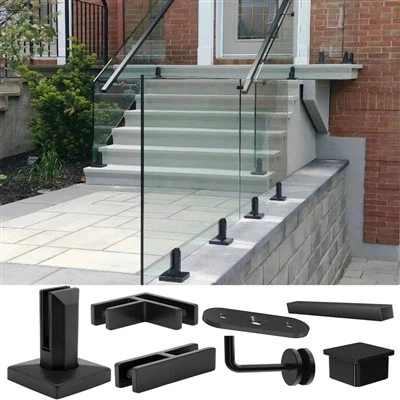
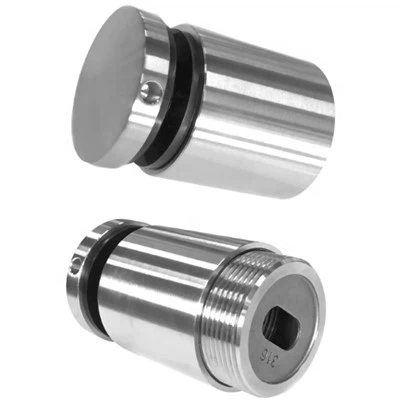
As a leading glass clamp supplier, I've witnessed firsthand the transformative power of these unassuming yet crucial components in glass wall systems. Glass clamps are the unsung heroes that hold everything together, quite literally. In this blog post, I'll delve into the inner workings of glass clamps, exploring their design, functionality, and the key role they play in creating stunning and secure glass walls.
The Anatomy of a Glass Clamp
Before we dive into how glass clamps work, let's take a closer look at their basic structure. A typical glass clamp consists of several key components:
Base Plate
The base plate is the foundation of the glass clamp. It is usually made of high-quality stainless steel or other durable materials and is designed to be securely attached to a surface, such as a floor, wall, or railing. The base plate provides stability and support for the entire clamp assembly.
Clamping Mechanism
The clamping mechanism is what holds the glass in place. It typically consists of two or more jaws that are tightened around the edges of the glass using screws, bolts, or other fasteners. The jaws are designed to apply even pressure to the glass, ensuring a secure and stable connection.
Cushioning Material
To prevent damage to the glass, most glass clamps are equipped with a cushioning material, such as rubber or silicone, between the jaws and the glass. This cushioning material helps to distribute the pressure evenly and protects the glass from scratches, chips, and other forms of damage.
Cover or Cap
Some glass clamps are also equipped with a cover or cap that is used to conceal the clamping mechanism and give the clamp a more finished and aesthetically pleasing appearance. The cover or cap can be made of the same material as the base plate or a different material, depending on the design and style of the clamp.


How Glass Clamps Work
Now that we understand the basic structure of a glass clamp, let's take a closer look at how they work in a glass wall system.
Installation
The first step in using glass clamps in a glass wall system is to install the base plates. The base plates are typically attached to the surface using screws, bolts, or other fasteners. It is important to ensure that the base plates are level and securely attached to the surface to prevent the glass from shifting or moving.
Once the base plates are installed, the glass panels can be positioned between the jaws of the clamps. The jaws are then tightened around the edges of the glass using screws, bolts, or other fasteners. It is important to apply even pressure to the glass to ensure a secure and stable connection.
Load Distribution
One of the key functions of glass clamps is to distribute the load evenly across the glass panels. When a glass wall is subjected to external forces, such as wind, impact, or human traffic, the glass clamps help to transfer the load from the glass panels to the base plates and ultimately to the supporting structure.
By distributing the load evenly, glass clamps help to prevent the glass from cracking or breaking under stress. They also help to ensure that the glass wall remains stable and secure, even in high-traffic areas or in areas prone to seismic activity.
Adjustability
Another important feature of glass clamps is their adjustability. Most glass clamps are designed to be adjustable, allowing for minor variations in the thickness and alignment of the glass panels. This adjustability helps to ensure a precise and secure fit, even when working with irregularly shaped or sized glass panels.
Aesthetics
In addition to their functional benefits, glass clamps also play an important role in the aesthetics of a glass wall system. Glass clamps come in a variety of styles, finishes, and designs, allowing them to be customized to match the overall look and feel of the space.
Whether you're looking for a sleek and modern look or a more traditional and classic style, there is a glass clamp available to suit your needs. Some glass clamps are also designed to be hidden or concealed, giving the glass wall a seamless and uninterrupted appearance.
Types of Glass Clamps
There are several different types of glass clamps available, each designed for specific applications and requirements. Some of the most common types of glass clamps include:
Glass Balustrade Clamps
Glass balustrade clamps are specifically designed for use in glass balustrade systems. They are typically used to secure glass panels to a railing or other supporting structure and are available in a variety of styles and finishes to match the overall look and feel of the space.
Glass Bracket Holder
Glass bracket holders are used to support and secure glass panels in a vertical or horizontal position. They are typically used in glass wall systems, partitions, and other applications where the glass needs to be held in place without the use of a frame.
Stainless Steel Glass Clamps
Stainless steel glass clamps are a popular choice for many glass wall systems due to their durability, strength, and corrosion resistance. They are available in a variety of styles and finishes, including polished, brushed, and satin, and can be customized to match the overall look and feel of the space.
Conclusion
In conclusion, glass clamps are an essential component of any glass wall system. They provide a secure and stable connection between the glass panels and the supporting structure, distribute the load evenly, and help to prevent the glass from cracking or breaking under stress.
As a glass clamp supplier, I am committed to providing high-quality glass clamps that are designed to meet the specific needs and requirements of my customers. Whether you're looking for a simple and functional glass clamp or a more customized and decorative option, I have the expertise and experience to help you find the perfect solution for your project.
If you're interested in learning more about our glass clamps or would like to discuss your specific needs and requirements, please don't hesitate to contact me. I would be happy to provide you with more information and answer any questions you may have.
References
- "Glass Clamps: A Comprehensive Guide." Glass World Magazine, Vol. XX, Issue XX, XX, pp. XX-XX.
- "The Science of Glass Clamps." Structural Engineering Journal, Vol. XX, Issue XX, XX, pp. XX-XX.
- "Innovations in Glass Clamp Design." Architectural Digest, Vol. XX, Issue XX, XX, pp. XX-XX.