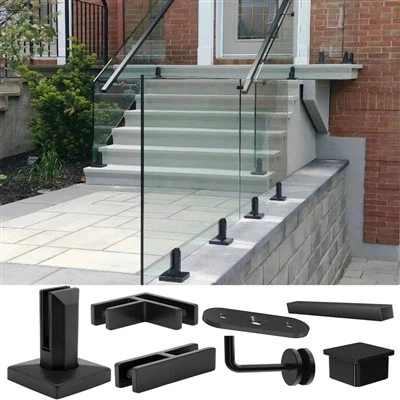
When it comes to designing stair railings, glass is a popular choice due to its aesthetic appeal, durability, and safety features. As a leading glass stair railing supplier, we understand the importance of selecting the right type of glass for your project. In this blog post, we will explore the different types of glass commonly used for stair railings, their unique properties, and the benefits they offer.
Tempered Glass
Tempered glass is one of the most widely used types of glass for stair railings. It is a type of safety glass that is heat-treated to increase its strength and resistance to breakage. When tempered glass breaks, it shatters into small, rounded pieces rather than sharp shards, reducing the risk of injury. This makes it an ideal choice for stair railings, where safety is a top priority.
One of the key advantages of tempered glass is its high strength. It is approximately four times stronger than regular annealed glass, making it more resistant to impact and stress. This means that it can withstand the weight and pressure of people leaning or pushing against the railing without breaking. Tempered glass is also more resistant to thermal stress, which makes it suitable for use in both indoor and outdoor environments.
Another benefit of tempered glass is its clarity. It has a smooth, uniform surface that provides a clear view of the surrounding area, enhancing the aesthetic appeal of the stair railing. Tempered glass can be customized to fit the specific dimensions and design requirements of your project, making it a versatile option for any style of staircase.
Laminated Glass
Laminated glass is another popular choice for stair railings. It is made by sandwiching a layer of polyvinyl butyral (PVB) between two or more layers of glass. The PVB layer acts as a bonding agent, holding the glass together in the event of breakage. This makes laminated glass a safer option than regular glass, as it reduces the risk of shards flying out and causing injury.
One of the main advantages of laminated glass is its sound insulation properties. The PVB layer helps to reduce noise transmission, making it a great choice for stair railings in areas where noise reduction is important, such as in residential buildings or offices. Laminated glass also provides protection against UV rays, which can fade furniture and flooring over time.
In addition to its safety and sound insulation properties, laminated glass is also available in a variety of colors and tints. This allows you to customize the appearance of your stair railing to match the overall design of your space. Laminated glass can also be used in combination with other materials, such as metal or wood, to create a unique and stylish look.
Frosted Glass
Frosted glass is a type of glass that has a rough, opaque surface. It is created by sandblasting or acid-etching the surface of the glass, which diffuses the light and creates a soft, muted effect. Frosted glass is a popular choice for stair railings because it provides privacy while still allowing light to pass through.
One of the benefits of frosted glass is its versatility. It can be used in a variety of applications, from residential to commercial settings. Frosted glass can also be customized to fit the specific design requirements of your project, making it a great option for any style of staircase.
Another advantage of frosted glass is its easy maintenance. It is resistant to stains and scratches, making it a durable and long-lasting option for stair railings. Frosted glass can be cleaned with a mild soap and water solution, making it a low-maintenance choice for busy households or commercial spaces.
Low-Iron Glass
Low-iron glass, also known as clear glass, is a type of glass that has a low iron content. This gives it a clearer, more transparent appearance than regular glass, making it a popular choice for stair railings where a clear view is desired. Low-iron glass is also more resistant to discoloration and yellowing over time, making it a durable and long-lasting option.
One of the main advantages of low-iron glass is its clarity. It provides a clear, unobstructed view of the surrounding area, enhancing the aesthetic appeal of the stair railing. Low-iron glass is also more resistant to glare, which makes it a great choice for stair railings in areas with a lot of natural light.
In addition to its clarity and durability, low-iron glass is also available in a variety of thicknesses and sizes. This allows you to customize the appearance of your stair railing to match the specific dimensions and design requirements of your project. Low-iron glass can also be used in combination with other materials, such as metal or wood, to create a unique and stylish look.
Choosing the Right Glass for Your Stair Railing
When choosing the right glass for your stair railing, there are several factors to consider. These include the location of the staircase, the style of the staircase, the level of privacy required, and the budget.
If you are installing a stair railing in an outdoor location, you will need to choose a type of glass that is resistant to weathering and UV rays. Tempered glass and laminated glass are both good options for outdoor stair railings, as they are strong, durable, and resistant to damage.
If you are installing a stair railing in an indoor location, you may have more flexibility in terms of the type of glass you choose. Frosted glass and low-iron glass are both popular choices for indoor stair railings, as they provide a clear view while still maintaining privacy.


The style of the staircase is also an important factor to consider when choosing the right glass for your stair railing. If you have a modern or contemporary staircase, you may want to choose a type of glass that has a sleek, minimalist look. If you have a traditional or classic staircase, you may want to choose a type of glass that has a more ornate or decorative design.
The level of privacy required is another important factor to consider when choosing the right glass for your stair railing. If you need to maintain privacy in a particular area, you may want to choose a type of glass that is opaque or semi-opaque, such as frosted glass or laminated glass. If you do not need to maintain privacy, you may want to choose a type of glass that is clear or transparent, such as low-iron glass.
Finally, the budget is an important factor to consider when choosing the right glass for your stair railing. Different types of glass have different prices, so it is important to choose a type of glass that fits within your budget. Tempered glass and laminated glass are generally more expensive than regular glass, but they offer greater safety and durability.
Conclusion
In conclusion, there are several types of glass that can be used for stair railings, each with its own unique properties and benefits. Tempered glass is a popular choice for its strength and safety, while laminated glass is a great option for its sound insulation and UV protection. Frosted glass provides privacy while still allowing light to pass through, and low-iron glass offers a clear, unobstructed view.
As a glass stair railing supplier, we can help you choose the right type of glass for your project based on your specific needs and requirements. We offer a wide range of glass options, including tempered glass, laminated glass, frosted glass, and low-iron glass, and we can customize the glass to fit the specific dimensions and design requirements of your staircase.
If you are interested in learning more about our glass stair railing products or would like to discuss your project with one of our experts, please visit our website at Glass Balusters for Stairs, Glass Railing Indoor, or Indoor Glass Stair Railing. We look forward to hearing from you and helping you create the perfect stair railing for your space.
References
- ASTM International. (2021). Standard Specification for Heat-Treated Flat Glass - Kind HS, Kind FT, and Kind LT. ASTM C1048-21.
- National Fire Protection Association. (2018). NFPA 101: Life Safety Code.
- American Architectural Manufacturers Association. (2017). AAMA 101/I.S.2-17: North American Fenestration Standard/Specification for Windows, Doors, and Unit Skylights.