What are Tactile Strips?
Tactile strips are an essential component of modern infrastructure, playing a crucial role in enhancing safety and accessibility for people with visual impairments and other disabilities. As a leading supplier of tactile strips, I am excited to share with you everything you need to know about these remarkable products.
The Basics of Tactile Strips
Tactile strips, also known as tactile paving or detectable warning surfaces, are textured surfaces installed on sidewalks, platforms, stairs, and other areas to provide tactile cues to pedestrians. These cues help individuals with visual impairments navigate their environment safely and independently. The most common types of tactile strips feature a series of raised dots or bars that can be felt underfoot.
How Tactile Strips Work
The primary function of tactile strips is to alert pedestrians with visual impairments to potential hazards or changes in the environment. For example, tactile strips are often used at the edge of a sidewalk to indicate the presence of a street or rail track. The raised texture of the strips can be felt by pedestrians using a cane or by stepping on them, providing a clear indication of the edge of the sidewalk.
In addition to indicating edges and boundaries, tactile strips can also be used to mark the location of important features such as crosswalks, elevators, and stairs. By providing consistent and recognizable tactile cues, these strips help people with visual impairments navigate complex environments more easily.
Types of Tactile Strips
There are several different types of tactile strips available, each designed for specific applications and environments. Some of the most common types include:
- Tactile Attention Indicator: These strips are typically used to alert pedestrians to potential hazards or changes in the environment. They feature a distinctive pattern of raised dots or bars that can be easily felt and recognized. Tactile Attention Indicator
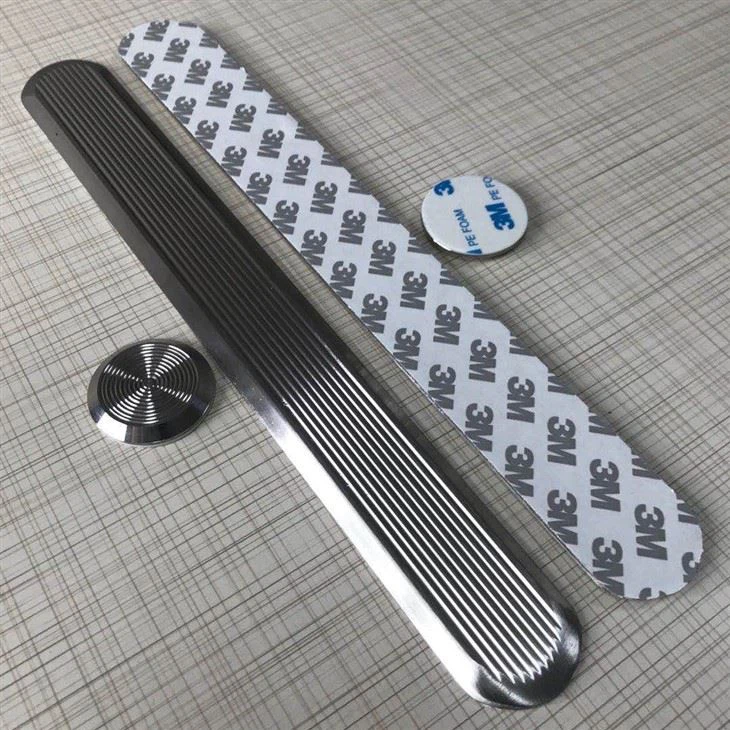
- Stainless Steel Tactile Strips: Made from durable stainless steel, these strips are ideal for high-traffic areas and outdoor environments. They are resistant to corrosion, wear, and weathering, ensuring long-lasting performance. Stainless Steel Tactile Strips
- Tactile Indicator Strips: These strips are available in a variety of materials and colors, making them suitable for a wide range of applications. They can be used to mark the location of crosswalks, stairs, elevators, and other important features. Tactile Indicator Strips
Benefits of Tactile Strips
The use of tactile strips offers numerous benefits for both individuals with visual impairments and the general public. Some of the key benefits include:
- Enhanced Safety: By providing clear tactile cues, tactile strips help to reduce the risk of accidents and injuries for people with visual impairments. They also make the environment safer for all pedestrians by improving visibility and awareness of potential hazards.
- Increased Accessibility: Tactile strips play a crucial role in making public spaces more accessible for people with disabilities. They allow individuals with visual impairments to navigate their environment independently, improving their quality of life and social inclusion.
- Compliance with Regulations: In many countries, the installation of tactile strips is required by law in certain areas, such as sidewalks, platforms, and crosswalks. By using tactile strips, property owners and developers can ensure compliance with these regulations and avoid potential legal issues.
- Aesthetic Appeal: Tactile strips are available in a variety of materials, colors, and designs, allowing them to be integrated seamlessly into the surrounding environment. They can enhance the aesthetic appeal of public spaces while still providing important safety and accessibility features.
Applications of Tactile Strips
Tactile strips are used in a wide range of applications, including:
- Sidewalks and Pedestrian Paths: Tactile strips are commonly used at the edge of sidewalks to indicate the presence of a street or rail track. They can also be used to mark crosswalks, intersections, and other pedestrian crossings.
- Platforms and Train Stations: Tactile strips are essential for ensuring the safety of passengers with visual impairments at train stations and other transportation hubs. They are typically installed at the edge of platforms to indicate the drop-off point and to provide a clear path for boarding and alighting trains.
- Stairs and Elevators: Tactile strips can be used to mark the edges of stairs and the entrance and exit points of elevators. This helps to prevent accidents and injuries by providing clear tactile cues to pedestrians.
- Public Buildings and Facilities: Tactile strips are often installed in public buildings, such as schools, hospitals, and government offices, to improve accessibility for people with disabilities. They can be used to mark the location of important features, such as restrooms, exits, and emergency exits.
Our Products and Services
As a leading supplier of tactile strips, we offer a wide range of high-quality products and services to meet the needs of our customers. Our products are manufactured to the highest standards of quality and durability, ensuring long-lasting performance in even the most demanding environments.
We offer a variety of materials, colors, and designs to choose from, allowing you to find the perfect tactile strips for your specific application. Our experienced team of professionals can also provide expert advice and support to help you select the right products and ensure proper installation.
In addition to our products, we also offer a range of services, including installation, maintenance, and repair. Our team of skilled technicians can install your tactile strips quickly and efficiently, ensuring minimal disruption to your daily operations. We also offer regular maintenance and repair services to keep your tactile strips in optimal condition and ensure their continued performance.
Why Choose Us?
When it comes to choosing a supplier of tactile strips, there are several factors to consider. Here are some of the reasons why you should choose us:
- Quality Products: We are committed to providing our customers with high-quality products that meet the highest standards of quality and durability. Our products are tested and certified to ensure compliance with all relevant industry standards and regulations.
- Expertise and Experience: Our team of professionals has extensive expertise and experience in the design, manufacture, and installation of tactile strips. We can provide you with expert advice and support to help you select the right products and ensure proper installation.
- Customization Options: We understand that every project is unique, which is why we offer a variety of customization options to meet your specific needs. Whether you need a custom color, design, or size, we can work with you to create the perfect tactile strips for your project.
- Competitive Pricing: We offer competitive pricing on all of our products and services, ensuring that you get the best value for your money. We also offer flexible payment options and financing solutions to help you manage your budget.
- Exceptional Customer Service: We are dedicated to providing our customers with exceptional customer service. Our team of friendly and knowledgeable professionals is available to answer your questions and provide you with the support you need, from the initial consultation to the final installation.
Contact Us for Procurement and Consultation
If you are interested in learning more about our tactile strips or would like to discuss your specific project requirements, please do not hesitate to contact us. Our team of experts is ready to assist you with any questions you may have and provide you with a detailed quote.
We believe that by working together, we can make our communities safer and more accessible for everyone. Whether you are a property owner, developer, architect, or contractor, we are here to help you find the right tactile strip solutions for your project.

References
- American National Standards Institute (ANSI). (2017). ANSI A117.1-2017: Accessible and Usable Buildings and Facilities.
- International Association of Accessibility Professionals (IAAP). (2020). Tactile Warning Surfaces: A Best Practices Guide.
- National Federation of the Blind (NFB). (2021). Tactile Paving: A Vital Tool for Accessibility.