


Hey there! As a supplier of tactile tiles, I often get asked about the weight-bearing capacity of these essential safety products. In this blog post, I'm gonna break down what the weight-bearing capacity of tactile tiles is, why it matters, and how it impacts your project.
First off, let's talk about what tactile tiles are. Tactile tiles, also known as tactile indicators, are used to provide sensory cues for people with visual impairments. They're commonly installed on sidewalks, platforms, and other public areas to help guide the visually impaired and alert them to potential hazards. These tiles come in different shapes, sizes, and materials, each designed to serve a specific purpose.

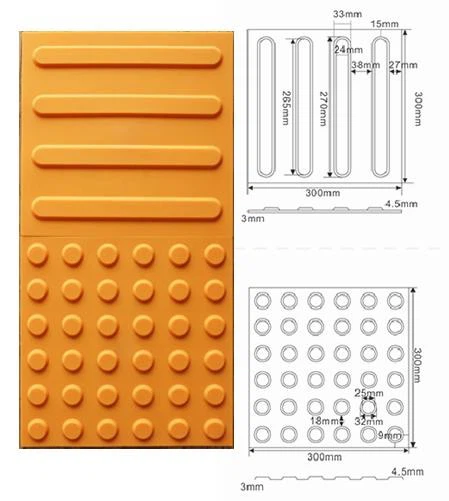
Now, the weight-bearing capacity of tactile tiles refers to the maximum amount of weight that the tiles can support without breaking, cracking, or deforming. This is a crucial factor to consider, especially in high-traffic areas where the tiles will be subjected to heavy loads on a regular basis. For instance, in a busy train station or a shopping mall, the tactile tiles need to be able to withstand the constant flow of foot traffic, as well as the weight of any equipment or vehicles that may pass over them.
The weight-bearing capacity of tactile tiles can vary depending on several factors, including the material used, the thickness of the tiles, and the installation method. Let's take a closer look at each of these factors.
Material
Tactile tiles can be made from a variety of materials, including concrete, ceramic, plastic, and rubber. Each material has its own unique properties and weight-bearing capabilities.
- Concrete Tactile Tiles: Concrete is a popular choice for tactile tiles due to its durability and strength. Concrete tiles can typically support heavy loads and are resistant to wear and tear. They're often used in outdoor applications where they need to withstand harsh weather conditions and heavy foot traffic.
- Ceramic Tactile Tiles: Ceramic tiles are another common option. They're known for their aesthetic appeal and can be customized to match the surrounding environment. While ceramic tiles are generally strong, they may be more prone to cracking under heavy loads compared to concrete tiles.
- Plastic Tactile Indicators: Plastic tactile indicators are lightweight and easy to install. They're also resistant to corrosion and chemicals, making them suitable for a wide range of applications. However, their weight-bearing capacity may be lower compared to concrete or ceramic tiles.
- Rubber Tactile Tiles: Rubber tiles are flexible and provide good traction, making them ideal for areas where slip resistance is a concern. They can also absorb shock and reduce noise. Rubber tiles typically have a lower weight-bearing capacity compared to other materials, but they can still be suitable for light to moderate traffic areas.
Thickness
The thickness of the tactile tiles also plays a significant role in determining their weight-bearing capacity. Generally, thicker tiles can support more weight than thinner ones. When choosing tactile tiles, it's important to consider the expected load and traffic volume in the area where they will be installed. For high-traffic areas, thicker tiles may be necessary to ensure long-term durability.
Installation Method
The way the tactile tiles are installed can also affect their weight-bearing capacity. Proper installation is crucial to ensure that the tiles are securely attached to the surface and can distribute the load evenly. If the tiles are not installed correctly, they may be more likely to crack or shift under heavy loads.
So, how do you determine the appropriate weight-bearing capacity for your project? The first step is to assess the expected load and traffic volume in the area where the tactile tiles will be installed. Consider factors such as the number of people using the area, the type of vehicles that may pass over the tiles, and any equipment or machinery that may be present.
Once you have a clear understanding of the expected load, you can choose tactile tiles with a weight-bearing capacity that meets or exceeds your requirements. It's also a good idea to consult with a professional or a supplier like me who can provide expert advice and guidance based on your specific needs.
At our company, we offer a wide range of Access Tile Tactile Systems that are designed to meet different weight-bearing requirements. Our tiles are made from high-quality materials and are tested to ensure their durability and performance. Whether you need tiles for a small residential project or a large commercial development, we can help you find the right solution.
In addition to weight-bearing capacity, there are other factors to consider when choosing tactile tiles, such as slip resistance, color, and maintenance requirements. Slip resistance is particularly important to prevent accidents and ensure the safety of pedestrians. Our tactile tiles are designed to provide excellent slip resistance, even in wet conditions.
Color is another important consideration, as it can affect the visibility and usability of the tactile tiles. We offer a variety of colors to choose from, allowing you to select the ones that best match the surrounding environment and meet your aesthetic preferences.
Maintenance is also a key factor to keep in mind. Our tactile tiles are easy to clean and maintain, which helps to extend their lifespan and keep them looking good for years to come.
If you're in the process of planning a project that requires tactile tiles, I encourage you to get in touch with us. We can provide you with detailed information about our products, including their weight-bearing capacity, and help you make an informed decision. Whether you have questions about the installation process, need a quote, or simply want to learn more about our Tactile Warning Tiles, our team of experts is here to assist you.
In conclusion, the weight-bearing capacity of tactile tiles is an important factor to consider when choosing the right tiles for your project. By understanding the factors that affect weight-bearing capacity and working with a reliable supplier, you can ensure that your tactile tiles will provide long-lasting performance and safety. So, don't hesitate to reach out to us if you have any questions or need help with your project. We're here to make the process as easy and stress-free as possible.
References
- American Society for Testing and Materials (ASTM). (Year). Standard specifications for tactile walking surface indicators.
- International Building Code (IBC). (Year). Requirements for tactile indicators in building construction.
- Local building codes and regulations. (Year). Specific requirements for tactile tiles in your area.


