Hey there! I'm a supplier of tactile studs, and I'm super stoked to chat with you about how these little guys can seriously improve accessibility. You might be thinking, "What the heck are tactile studs?" Well, they're those small, textured markers you often see on the ground in public areas, and they play a huge role in making the world a more accessible place for everyone.
Let's start with the basics. Tactile studs are designed to provide sensory cues to people with visual impairments. They come in different shapes, sizes, and materials, each serving a specific purpose. For example, some have raised dots or bars that can be felt underfoot, giving blind or visually impaired individuals information about their surroundings. These cues can indicate things like the edge of a sidewalk, the entrance to a building, or the location of a train platform.
One of the main ways tactile studs improve accessibility is by enhancing safety. Imagine walking around a busy city as a visually impaired person. Without these studs, it would be incredibly difficult to navigate safely. The raised patterns on the studs act as a guide, helping people avoid hazards like traffic, stairs, and uneven surfaces. They give a sense of orientation and confidence, allowing individuals to move around independently and with greater peace of mind.
Another important aspect is that tactile studs are highly visible. Even in low - light conditions, their contrasting colors and distinct textures stand out. This visibility isn't just for people with visual impairments; it also helps everyone in the area to be more aware of potential hazards. For instance, in a subway station, the brightly colored tactile studs at the platform edge can serve as a warning to all passengers, reducing the risk of accidental falls onto the tracks.
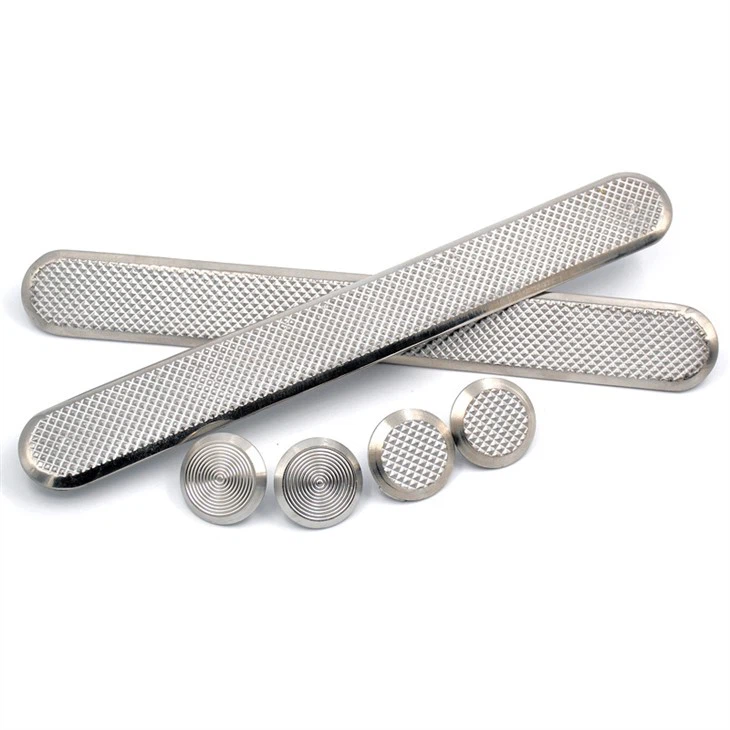

Now, let's talk about the different types of tactile studs we offer. We have Tactile Stainless Steel. Stainless steel is a great material for tactile studs because it's durable, corrosion - resistant, and easy to clean. It can withstand heavy foot traffic and harsh weather conditions, making it perfect for outdoor applications like sidewalks and public squares. Whether it's rain, snow, or intense sunlight, our stainless - steel tactile studs will keep doing their job.
Then there are Ss Tactile Studs. These studs are made with high - quality stainless steel and are designed to be both functional and aesthetically pleasing. They come in a variety of styles and patterns, so you can choose the ones that best fit the design of your space. Whether you're working on a modern urban project or a more traditional building, our Ss Tactile Studs can add a touch of style while still providing essential accessibility features.
And last but not least, we have Brass Tactile Studs. Brass has a unique look and feel. It's not only durable but also has a warm, inviting appearance. These studs are often used in more upscale or historic buildings where the aesthetic is just as important as the functionality. The brass studs can blend in seamlessly with the architecture, while still providing the necessary tactile cues for accessibility.
Tactile studs also play a role in promoting inclusive design. In today's world, it's essential that public spaces are designed to be accessible to everyone, regardless of their abilities. By incorporating tactile studs into your projects, you're sending a clear message that you value inclusivity. It shows that you're committed to creating environments where everyone can participate fully and without barriers.
Moreover, tactile studs can have a positive impact on the overall user experience. For example, in a shopping mall, well - placed tactile studs can make it easier for visually impaired shoppers to find stores, restrooms, and exits. This not only improves their shopping experience but also encourages them to visit the mall more often. In turn, this can lead to increased foot traffic and business for the mall owners.
From a regulatory perspective, many countries and cities have laws and regulations regarding accessibility. Installing tactile studs is often a requirement to ensure compliance. By using our high - quality tactile studs, you can be confident that your project meets all the necessary standards. This can save you from potential legal issues and fines down the line.
In educational institutions, tactile studs are also incredibly useful. They can help students with visual impairments navigate the campus safely and independently. Whether it's finding classrooms, libraries, or cafeterias, these studs provide the necessary guidance. This allows students to focus on their studies rather than worrying about getting around.
When it comes to installation, our tactile studs are relatively easy to install. They can be fixed to various surfaces such as concrete, asphalt, and tile. Our team can provide detailed installation instructions and support to ensure that the studs are installed correctly and securely.
We also offer customization options. If you have specific requirements in terms of size, shape, color, or pattern, we can work with you to create the perfect tactile studs for your project. This flexibility allows you to tailor the accessibility features to the unique needs of your space.
In conclusion, tactile studs are an essential part of creating accessible and inclusive environments. They improve safety, enhance visibility, promote inclusive design, and comply with regulations. Whether you're a city planner, an architect, a building owner, or a facility manager, investing in high - quality tactile studs is a smart decision.
If you're interested in learning more about our tactile studs or have a project in mind, we'd love to hear from you. We can provide you with samples, detailed product information, and competitive pricing. Let's work together to make the world a more accessible place.
References
- "Accessibility Design Guidelines for Public Spaces" - A government - issued publication on the importance of accessibility features.
- "Tactile Indicators: A Review of Their Use and Effectiveness" - A research paper on the impact of tactile studs on accessibility.