


Hey there! I'm a supplier of Glass Railing Indoor, and I often get asked about the best thickness for indoor glass railings. It's a crucial question because the right thickness ensures both safety and aesthetics. So, let's dive into this topic and figure out what works best for your indoor space.
Why Thickness Matters
First off, why does the thickness of the glass matter? Well, it's all about safety and durability. Indoor glass railings need to withstand a certain amount of force. Whether it's someone accidentally leaning on them or a minor impact, the glass should be strong enough not to break easily. A thicker glass is generally stronger and more resistant to damage.
On the other hand, thickness also affects the look of the railing. Thinner glass can give a more delicate and modern appearance, while thicker glass may look more substantial and sturdy. So, it's a balance between style and functionality.
Common Thickness Options
There are several common thicknesses for indoor glass railings, and each has its own advantages and uses.
1/4 - inch (6mm) Glass
This is one of the thinner options available. It's lightweight and gives a very sleek and minimalist look. It's often used in modern interior designs where a delicate appearance is desired. However, it's not as strong as thicker glass. It's suitable for areas where there's less chance of heavy impact, like in low - traffic areas or on small balconies. For example, if you have a small indoor balcony overlooking a living room, 1/4 - inch glass can add a touch of elegance without overwhelming the space.
3/8 - inch (10mm) Glass
This is a popular choice for many indoor glass railings. It offers a good balance between strength and aesthetics. It's stronger than 1/4 - inch glass and can handle a bit more force. It's commonly used in stair railings, especially in residential settings. The Interior Glass Stair Railing made with 3/8 - inch glass provides a nice look while still being safe for daily use. It's also a great option for commercial spaces with moderate traffic, like office lobbies or small restaurants.
1/2 - inch (12mm) Glass
If you're looking for maximum strength, 1/2 - inch glass is the way to go. It's very sturdy and can withstand significant impact. This thickness is often used in high - traffic areas or in places where safety is a top priority. For example, in large public buildings or multi - story residential complexes, 1/2 - inch glass railings ensure that people are well - protected. It gives a more substantial look, which can be great for creating a sense of security.
5/8 - inch (16mm) and 3/4 - inch (19mm) Glass
These are the thickest options and are rarely used for standard indoor applications. They are extremely strong but also very heavy and expensive. They might be used in specialized situations, such as in industrial settings or in areas where there's a high risk of extreme impact.
Factors to Consider When Choosing Thickness
Location
The location of the glass railing is a major factor. If it's on a staircase, you need to consider how many people will be using it and how much movement there will be. High - traffic staircases in commercial buildings will require a thicker glass compared to a private staircase in a home. Similarly, if the railing is on a balcony that's accessible to children or pets, you might want to choose a thicker glass for added safety.
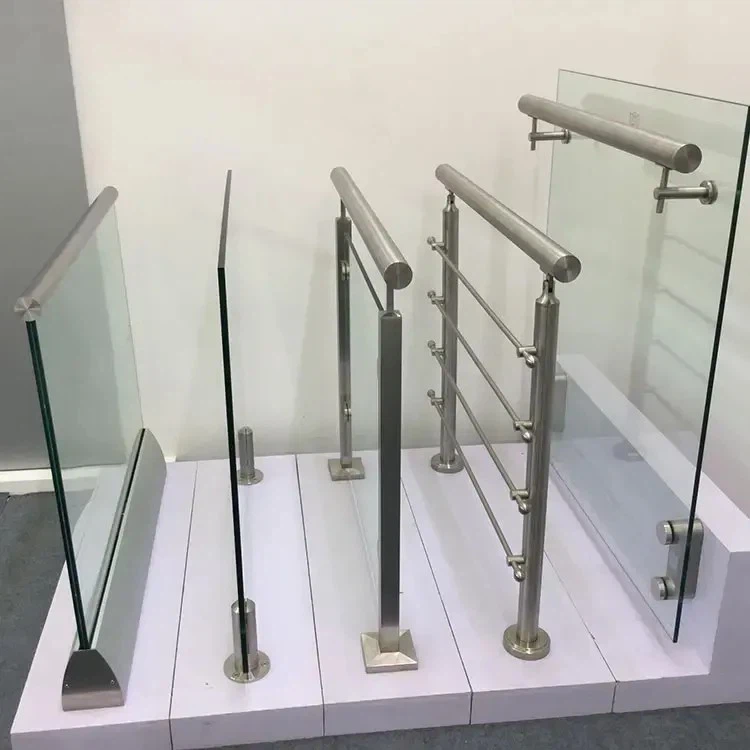

Building Codes
Building codes play a crucial role in determining the appropriate glass thickness. Different regions have different requirements regarding the strength and safety of glass railings. It's important to check with your local building department to ensure that the glass thickness you choose meets all the necessary regulations. For example, some areas may require a minimum thickness of 3/8 - inch for stair railings to ensure the safety of occupants.
Design Preferences
Your personal design preferences also matter. If you love a modern, minimalist look, you might lean towards a thinner glass. But if you prefer a more traditional or substantial look, a thicker glass would be a better choice. You can also consider the overall style of the interior. A contemporary space might pair well with a 1/4 - inch glass railing, while a more classic interior could benefit from a 3/8 - inch or 1/2 - inch glass railing.
Cost
Cost is always a consideration. Thicker glass is generally more expensive than thinner glass. You need to balance your budget with the other factors. If you can afford it and safety is a major concern, then a thicker glass is a good investment. However, if you're on a tight budget and the location doesn't require maximum strength, a thinner glass might be a more practical choice.
Tempered Glass: A Must - Have
When it comes to indoor glass railings, tempered glass is almost always the way to go. Tempered glass is much stronger than regular glass and is designed to break into small, dull - edged pieces rather than sharp shards. This significantly reduces the risk of injury in case of breakage. Tempered Glass Stair Railing is a popular choice for both residential and commercial applications.
Whether you choose a 1/4 - inch, 3/8 - inch, or 1/2 - inch glass railing, make sure it's made of tempered glass. It's an extra layer of safety that you don't want to skip.
Conclusion
So, what's the best thickness for indoor glass railings? There's no one - size - fits - all answer. It depends on a variety of factors, including location, building codes, design preferences, and cost. As a Glass Railing Indoor supplier, I can help you make the right choice based on your specific needs.
If you're in the process of planning an indoor glass railing project or just have some questions, don't hesitate to reach out. We can have a detailed discussion about your requirements and find the perfect glass thickness for your space. Whether you're looking for a sleek and modern look or a sturdy and safe railing, we've got you covered. Let's work together to create the perfect indoor glass railing for your home or business.
References
- Building Codes and Standards: Various local building department regulations.
- Glass Industry Publications: Information on glass properties and applications.


