


In the realm of industrial design and architecture, the choice of materials for stair railings is a crucial decision that balances functionality, safety, and aesthetics. Glass stair railings, once predominantly associated with residential and commercial interiors, are increasingly being considered for industrial settings. As a supplier of glass stair railings, I have witnessed the growing interest in this trend and understand the importance of exploring its viability in industrial environments.
Advantages of Glass Stair Railings in Industrial Settings
Safety and Durability
One of the primary concerns in industrial settings is safety. Glass stair railings, particularly those made from Tempered Glass Stair Railing, offer excellent safety features. Tempered glass is heat-treated to increase its strength, making it more resistant to impact and breakage compared to regular glass. In the event of breakage, tempered glass shatters into small, relatively harmless pieces, reducing the risk of serious injury.
Moreover, glass is a durable material that can withstand the rigors of industrial use. It is resistant to corrosion, chemicals, and environmental factors, making it suitable for a wide range of industrial environments, including factories, warehouses, and manufacturing plants.
Visibility and Light Transmission
In industrial settings, visibility is essential for safety and efficiency. Glass stair railings provide unobstructed views, allowing workers to see clearly around them and navigate the stairs safely. This is particularly important in areas with heavy machinery or moving equipment, where clear sightlines can help prevent accidents.
Additionally, glass has excellent light transmission properties, which can enhance the overall lighting in the industrial space. Natural light can penetrate through the glass railings, reducing the need for artificial lighting and creating a brighter, more pleasant working environment. This not only improves the well-being of workers but also helps to reduce energy costs.
Aesthetics and Modern Design
Industrial settings are no longer limited to utilitarian designs. There is a growing trend towards incorporating modern and aesthetically pleasing elements into industrial architecture. Glass stair railings offer a sleek and contemporary look that can enhance the overall appearance of an industrial space. They can add a touch of elegance and sophistication, making the workplace more inviting and professional.
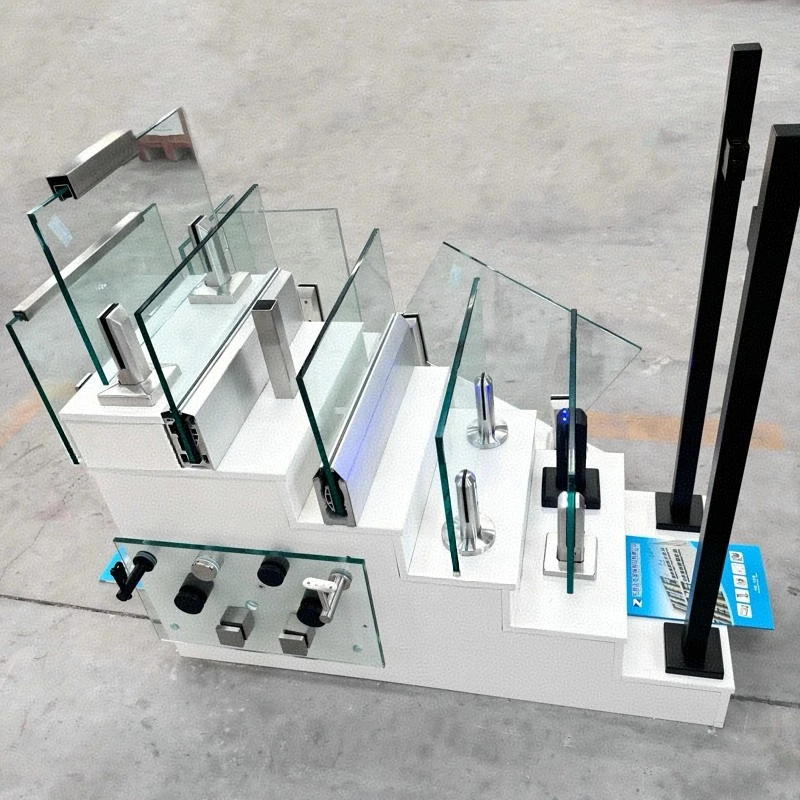
Whether used in a new construction project or as a retrofit in an existing industrial building, glass stair railings can transform the look of the stairs and create a focal point in the space. They can be customized to fit the specific design requirements of the industrial setting, with options for different glass types, finishes, and mounting systems.
Considerations for Using Glass Stair Railings in Industrial Settings
Load-Bearing Capacity
In industrial settings, stair railings are subjected to higher loads and stresses compared to residential or commercial applications. It is crucial to ensure that the glass stair railings have sufficient load-bearing capacity to meet the safety requirements of the industrial environment. This may involve using thicker glass panels or additional support structures, such as steel or aluminum frames.
As a supplier, we work closely with architects, engineers, and contractors to determine the appropriate load-bearing capacity for each project. We conduct thorough structural calculations and provide detailed specifications to ensure that the glass stair railings are designed and installed to meet the highest safety standards.
Maintenance and Cleaning
Industrial environments can be dirty and dusty, which may require more frequent maintenance and cleaning of the glass stair railings. While glass is relatively easy to clean, it is important to use the appropriate cleaning products and techniques to avoid scratching or damaging the glass surface.
We provide our customers with detailed maintenance instructions and recommend using non-abrasive cleaning agents and soft cloths to clean the glass railings. Regular inspections should also be conducted to check for any signs of damage or wear and tear, and any issues should be addressed promptly to ensure the continued safety and functionality of the railings.
Safety Regulations and Codes
Industrial settings are subject to strict safety regulations and codes, which vary depending on the location and type of industry. It is essential to ensure that the glass stair railings comply with all relevant safety standards and regulations. This may include requirements for glass thickness, strength, and installation methods.
As a supplier, we stay up-to-date with the latest safety regulations and codes and ensure that all our glass stair railings are designed and manufactured to meet or exceed these requirements. We work closely with our customers to ensure that the railings are installed correctly and that all necessary permits and inspections are obtained.
Applications of Glass Stair Railings in Industrial Settings
Factories and Manufacturing Plants
In factories and manufacturing plants, glass stair railings can be used in a variety of areas, including production floors, mezzanines, and office areas. They can provide a safe and visually appealing way for workers to access different levels of the building, while also enhancing the overall aesthetics of the space.
For example, in a high-tech manufacturing plant, glass stair railings can be used to create a modern and professional look, while also allowing workers to see clearly around them and monitor the production process. In a food processing plant, glass railings can be used to separate different areas of the facility, while also providing a hygienic and easy-to-clean solution.
Warehouses and Distribution Centers
In warehouses and distribution centers, glass stair railings can be used to provide safe access to mezzanines, storage areas, and offices. They can help to improve visibility and safety, especially in areas with high traffic or moving equipment.
For instance, in a large warehouse, glass stair railings can be used to create a clear separation between the storage areas and the aisles, reducing the risk of collisions and improving the efficiency of material handling operations. In a distribution center, glass railings can be used to enhance the overall appearance of the facility and create a more inviting environment for employees and visitors.

Industrial Offices and Corporate Headquarters
In industrial offices and corporate headquarters, glass stair railings can be used to create a modern and sophisticated look, while also providing a safe and functional way for employees and visitors to access different levels of the building. They can add a touch of elegance and style to the workplace, making it more attractive and comfortable for everyone.
For example, in an industrial office building, glass stair railings can be used to connect different floors and create a sense of openness and transparency. In a corporate headquarters, glass railings can be used to showcase the company's commitment to innovation and modern design, while also providing a safe and secure environment for employees and visitors.
Conclusion
In conclusion, glass stair railings can be a viable option for industrial settings, offering a combination of safety, durability, visibility, and aesthetics. While there are some considerations to keep in mind, such as load-bearing capacity, maintenance, and compliance with safety regulations, the benefits of using glass stair railings in industrial environments outweigh the challenges.
As a supplier of Glass Balusters for Stairs and Interior Glass Stair Railing, we are committed to providing high-quality products and services to our customers in the industrial sector. We work closely with architects, engineers, and contractors to ensure that our glass stair railings are designed and installed to meet the specific needs and requirements of each project.
If you are considering using glass stair railings in your industrial setting, we would be happy to discuss your options with you. Please contact us to schedule a consultation and learn more about our products and services.
References
- Building Codes and Standards for Industrial Buildings
- Safety Regulations for Industrial Stair Railings
- Glass Manufacturing and Installation Guidelines


