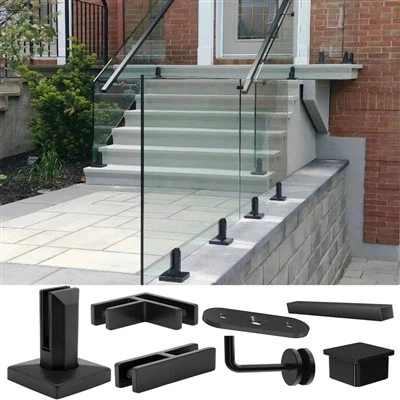
Laminated glass is a remarkable building material that has gained significant popularity in various applications due to its unique properties and enhanced safety features. As a trusted laminated glass supplier, I often encounter inquiries about the bending strength of laminated glass. In this blog post, I will delve into the concept of bending strength, explore the factors that influence it, and highlight the importance of understanding this property for your projects.
Understanding Bending Strength
Bending strength, also known as flexural strength, refers to the maximum stress a material can withstand before it fractures or breaks when subjected to a bending load. In the case of laminated glass, bending strength is a crucial parameter as it determines the glass's ability to resist deformation and maintain its structural integrity under various conditions.


When a load is applied to laminated glass, it causes the glass to bend. The outer layers of the glass experience tensile stress (stretching), while the inner layers experience compressive stress (squeezing). The interlayer in laminated glass plays a vital role in distributing the stress evenly across the glass layers, preventing the glass from shattering into sharp pieces upon breakage.
Factors Affecting the Bending Strength of Laminated Glass
Several factors influence the bending strength of laminated glass. Understanding these factors is essential for selecting the right type of laminated glass for your specific application and ensuring its optimal performance.
Glass Thickness
The thickness of the glass layers is one of the primary factors that affect bending strength. Generally, thicker glass has higher bending strength than thinner glass. This is because thicker glass can withstand greater stress before reaching its breaking point. When selecting laminated glass, it is important to consider the required bending strength based on the application and the expected loads. For example, in applications where the glass is subjected to high wind loads or heavy impacts, thicker glass may be necessary to ensure adequate strength.
Interlayer Material and Thickness
The interlayer material and its thickness also play a significant role in determining the bending strength of laminated glass. The interlayer acts as a bonding agent between the glass layers, providing additional strength and preventing the glass from shattering upon breakage. Different interlayer materials have different mechanical properties, which can affect the overall performance of the laminated glass.
Polyvinyl butyral (PVB) is the most commonly used interlayer material in laminated glass. It offers excellent adhesion to the glass, high transparency, and good impact resistance. The thickness of the PVB interlayer can vary depending on the application and the desired level of safety. Thicker interlayers generally provide higher bending strength and better resistance to penetration.
Glass Type
The type of glass used in laminated glass can also affect its bending strength. There are different types of glass available, each with its own unique properties and characteristics. For example, tempered glass has higher bending strength than annealed glass due to the thermal tempering process, which creates a compressive stress layer on the surface of the glass. Laminated glass made with tempered glass layers can provide enhanced safety and security, especially in applications where the glass is exposed to high loads or impacts.
Edgework
The edgework of laminated glass can also influence its bending strength. Proper edge finishing is essential to prevent stress concentrations and potential failure points. Smooth and polished edges reduce the risk of cracks and improve the overall strength of the glass. Additionally, the edge sealant used to protect the edges of the laminated glass can help prevent moisture and contaminants from entering the interlayer, which can degrade its performance over time.
Importance of Bending Strength in Laminated Glass Applications
The bending strength of laminated glass is of utmost importance in various applications, especially those where the glass is subjected to external loads or impacts. Here are some examples of applications where bending strength is critical:
Architectural Glazing
In architectural glazing applications, laminated glass is commonly used for windows, doors, curtain walls, and skylights. These applications require the glass to withstand wind loads, thermal stresses, and potential impacts from objects or human activities. Adequate bending strength ensures that the glass remains intact and provides a safe and secure barrier between the interior and exterior environments.
Automotive Industry
Laminated glass is widely used in the automotive industry for windshields and side windows. The bending strength of the glass is crucial for ensuring the safety of passengers in the event of a collision or impact. The interlayer in laminated automotive glass helps to hold the glass together, preventing shattering and reducing the risk of injury from flying glass fragments.
Security and Safety Applications
Laminated glass is often used in security and safety applications, such as bank teller windows, jewelry store displays, and bullet-resistant partitions. In these applications, the glass must be able to withstand high levels of force and prevent unauthorized access or penetration. High bending strength is essential to ensure the effectiveness of the glass as a security barrier.
Testing and Standards for Bending Strength
To ensure the quality and performance of laminated glass, it is important to test its bending strength according to relevant standards and specifications. There are several international standards that define the testing methods and requirements for laminated glass, including ASTM (American Society for Testing and Materials) and EN (European Norm).
One of the most commonly used tests for determining the bending strength of laminated glass is the three-point bending test. In this test, a sample of the laminated glass is supported at two points and loaded at a third point in the middle. The load is gradually increased until the glass fractures, and the maximum load is recorded. The bending strength is then calculated based on the dimensions of the sample and the applied load.
Compliance with these standards and testing procedures is essential for ensuring the reliability and safety of laminated glass products. As a supplier, we adhere to strict quality control measures and conduct regular testing to ensure that our laminated glass meets or exceeds the relevant standards.
Laminated and Tempered Glass
In addition to laminated glass, we also offer Laminated and Tempered Glass products that combine the benefits of both laminated and tempered glass. Tempered glass provides high strength and resistance to thermal stress, while the laminated interlayer adds an extra layer of safety and security. These products are ideal for applications where enhanced strength and safety are required, such as in commercial buildings, high-rise structures, and areas prone to extreme weather conditions.
12mm Toughened Glass
For applications that require high bending strength and impact resistance, we recommend our 12mm Toughened Glass. This type of glass is thermally tempered to increase its strength and durability, making it suitable for a wide range of applications, including doors, partitions, and balustrades. The 12mm thickness provides excellent stability and resistance to bending, ensuring long-lasting performance in demanding environments.
Conclusion
The bending strength of laminated glass is a critical property that determines its ability to withstand various loads and impacts. By understanding the factors that affect bending strength and selecting the right type of laminated glass for your application, you can ensure its optimal performance and safety. As a trusted laminated glass supplier, we are committed to providing high-quality products that meet the highest standards of quality and performance.
If you have any questions or need further information about the bending strength of laminated glass or our products, please do not hesitate to contact us. Our team of experts is always ready to assist you in selecting the right laminated glass solution for your project and providing you with the best possible service. We look forward to the opportunity to work with you and help you achieve your goals.
References
- ASTM C1048 - Standard Specification for Heat - Treated Flat Glass - Kind HS, Kind FT, and Kind LT
- EN 12150 - Thermally toughened soda - lime silicate safety glass
- EN 14449 - Laminated safety glass and laminated security glass