Yo, what's up everyone! I'm a supplier of stainless steel pipes, and today I wanna chat about the anti - aging performance of these bad boys.
First off, let's get into what stainless steel is. Stainless steel is an alloy made up of iron, chromium, and other elements. The chromium in it forms a thin, invisible layer of chromium oxide on the surface. This layer is super important because it acts as a shield, protecting the steel from corrosion and other forms of damage. And that's the key to its anti - aging performance.
How Stainless Steel Pipes Resist Aging
One of the main factors that cause materials to age is corrosion. Corrosion can eat away at a material, making it weaker and less functional over time. But stainless steel pipes are like little warriors against corrosion. The chromium oxide layer I mentioned earlier is self - healing. If it gets scratched or damaged, as long as there's oxygen present, it will quickly reform and continue to protect the pipe.
For example, in a coastal area where the air is full of salt, regular steel pipes would rust pretty quickly. But stainless steel pipes can withstand the salt - laden air for a long time. They don't rust easily because the chromium oxide layer keeps the salt from reaching the iron in the steel. This means that even after years of exposure to harsh coastal conditions, the pipes will still be in good shape.
Another thing that contributes to the anti - aging performance of stainless steel pipes is their resistance to high temperatures. In industrial settings where pipes are exposed to high - heat processes, stainless steel pipes hold up well. They don't deform or lose their strength easily under high temperatures. This is because of the unique properties of the alloy. The combination of different elements in stainless steel gives it a high melting point and good thermal stability.
Different Types of Stainless Steel Pipes and Their Anti - Aging Features
Let's talk about some specific types of stainless steel pipes.

-
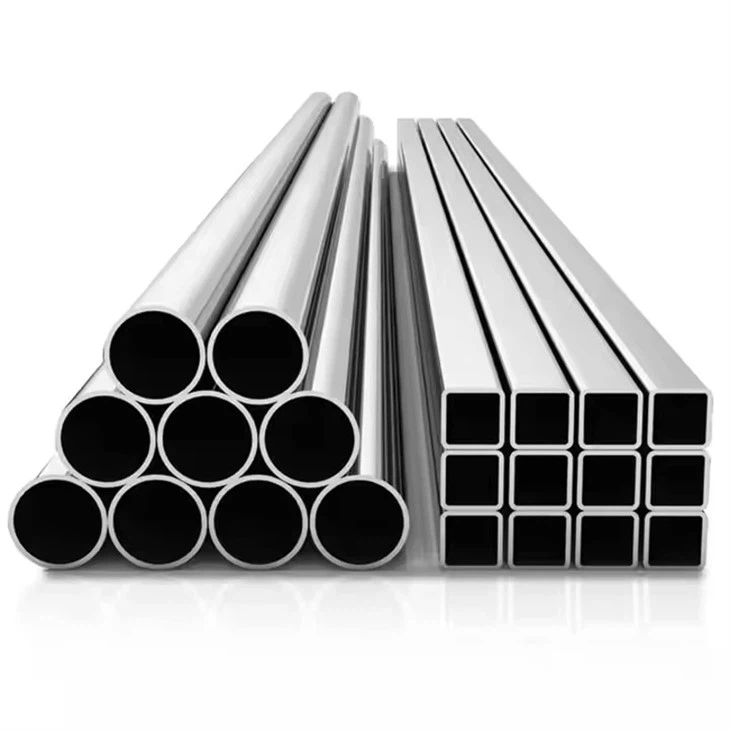
Stainless Steel Square Tubing: You can check out Stainless Steel Square Tubing for more details. Square tubing has a unique shape that makes it suitable for a variety of applications. In terms of anti - aging, it has the same corrosion - resistant properties as other stainless steel pipes. The square shape also provides good structural support, which means it can maintain its integrity over time. Whether it's used in construction or for making furniture, it won't easily break down due to aging.
-
316 Stainless Steel Tube: 316 Stainless Steel Tube is a popular choice, especially in environments where there's a lot of chemical exposure. It contains molybdenum, which enhances its corrosion resistance even further. This makes it ideal for use in chemical plants, food processing facilities, and marine applications. The extra protection from molybdenum helps the pipe resist the effects of aging caused by chemical reactions.
-
Stainless Steel Round Tube: Stainless Steel Round Tube is widely used in many industries. It has a smooth surface, which not only makes it easy to clean but also reduces the chances of dirt and debris buildup. This is important for anti - aging because dirt and debris can trap moisture and cause corrosion. The round shape also distributes stress evenly, which means the pipe is less likely to develop cracks or deform over time.
Maintenance and Its Impact on Anti - Aging
Even though stainless steel pipes have great anti - aging performance, proper maintenance can make them last even longer. Cleaning the pipes regularly is a simple but effective way to keep them in good condition. You can use mild detergents and a soft cloth to wipe away dirt and grime. Avoid using abrasive materials that could scratch the surface and damage the protective chromium oxide layer.
Inspecting the pipes periodically is also crucial. Look for any signs of damage, such as scratches, dents, or discoloration. If you notice any issues, you can take steps to repair them before they get worse. For example, if there's a small scratch, you can use a stainless steel polish to restore the protective layer.
Why Choose Our Stainless Steel Pipes
As a supplier, I can tell you that our stainless steel pipes are top - notch. We source the best materials and use advanced manufacturing techniques to ensure the highest quality. Our pipes go through strict quality control processes to make sure they meet or exceed industry standards.
When you choose our stainless steel pipes, you're not just getting a product that looks good. You're getting a product that will last for years, even in the toughest conditions. Whether you need pipes for a small DIY project or a large industrial application, we've got you covered.
Conclusion
So, in a nutshell, the anti - aging performance of stainless steel pipes is pretty amazing. Thanks to their corrosion resistance, high - temperature tolerance, and unique alloy properties, they can withstand the test of time. Whether it's square tubing, 316 stainless steel tubes, or round tubes, each type has its own advantages when it comes to anti - aging.
If you're in the market for stainless steel pipes, I'd love to have a chat with you. We can discuss your specific needs and find the perfect pipes for your project. Don't hesitate to reach out and start the conversation. Let's work together to get you the best stainless steel pipes for your application.
References
- ASM Handbook Committee. (2004). ASM Handbook Volume 13A: Corrosion: Fundamentals, Testing, and Protection. ASM International.
- Shreir, L. L., Jarman, R. A., & Burstein, G. T. (Eds.). (2010). Corrosion. Elsevier.