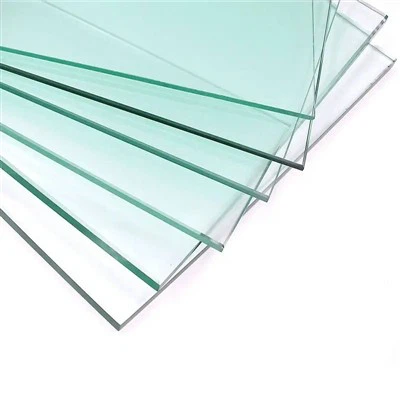
When it comes to safety and security in the glass industry, laminated glass stands out as a remarkable innovation. As a leading laminated glass supplier, I've witnessed firsthand the growing demand for this product. One of the key components that make laminated glass so effective is the interlayer. In this blog post, I'll delve into how the interlayer in laminated glass works, exploring its functions, materials, and benefits.
Understanding Laminated Glass Structure
Laminated glass consists of two or more layers of glass bonded together by an interlayer. The glass layers can be of various thicknesses and types, such as 12mm Toughened Glass. The interlayer is typically made of a polymer material, and it plays a crucial role in the performance of the laminated glass.
Functions of the Interlayer
1. Safety Enhancement
One of the primary functions of the interlayer is to enhance safety. In the event of breakage, the interlayer holds the shattered glass pieces together, preventing them from scattering and causing injuries. This is particularly important in applications where safety is a top concern, such as in automobiles, buildings, and security installations. For example, in a car windshield, the interlayer keeps the glass intact even when it's hit by a flying object, reducing the risk of the driver and passengers being cut by sharp glass fragments.
2. Sound Insulation
The interlayer also provides excellent sound insulation properties. It acts as a barrier to sound waves, reducing the transmission of noise from the outside environment. This is beneficial in buildings located in noisy areas, such as near airports or busy roads. By using laminated glass with a suitable interlayer, occupants can enjoy a quieter and more comfortable indoor environment.
3. UV Protection
Another significant function of the interlayer is to block harmful ultraviolet (UV) rays. UV rays can cause fading and damage to furniture, flooring, and other interior materials. The interlayer in laminated glass can filter out a large percentage of UV rays, protecting the interior of buildings from the effects of sun exposure. This not only helps to preserve the appearance of the interior but also extends the lifespan of the materials.
4. Security
Laminated glass with a thick interlayer can provide enhanced security. It is more difficult to break through compared to ordinary glass, making it a deterrent to burglars and intruders. In high-security applications, such as banks and jewelry stores, laminated glass with a special interlayer can be used to prevent forced entry.


Materials Used in Interlayers
1. Polyvinyl Butyral (PVB)
PVB is the most commonly used material for interlayers in laminated glass. It has excellent adhesion properties, which allow it to bond strongly to the glass layers. PVB is also flexible and can absorb impact energy, making it effective in holding the glass together in case of breakage. Additionally, it provides good sound insulation and UV protection.
2. Ethylene-Vinyl Acetate (EVA)
EVA is another material used for interlayers. It offers similar properties to PVB but is often more cost-effective. EVA is also known for its good optical clarity and adhesion to various types of glass.
3. Thermoplastic Polyurethane (TPU)
TPU is a relatively new material for interlayers. It has high strength and flexibility, providing excellent impact resistance. TPU interlayers are also resistant to yellowing and have good UV stability.
The Manufacturing Process of Laminated Glass with an Interlayer
The manufacturing process of laminated glass involves several steps. First, the glass layers are cut to the desired size and shape. Then, the interlayer material is placed between the glass layers. The assembly is then heated and pressed in a autoclave, which creates a strong bond between the glass and the interlayer. The temperature and pressure during the autoclave process are carefully controlled to ensure the proper adhesion and performance of the laminated glass.
Benefits of Using Laminated Glass with a High-Quality Interlayer
1. Durability
Laminated glass with a high-quality interlayer is more durable than ordinary glass. It can withstand greater impact and stress without breaking, reducing the need for frequent replacements.
2. Aesthetics
Laminated glass can be customized to meet different aesthetic requirements. The interlayer can be tinted or have different colors, allowing for the creation of unique and attractive designs.
3. Energy Efficiency
In some cases, laminated glass can contribute to energy efficiency. The interlayer can help to reduce heat transfer, which can lower the energy consumption for heating and cooling in buildings.
Applications of Laminated Glass with Interlayers
1. Architectural Applications
In the building industry, laminated glass is widely used in windows, doors, skylights, and curtain walls. It provides safety, security, and sound insulation, making it an ideal choice for both residential and commercial buildings. For example, in high-rise buildings, laminated glass is used to prevent glass from falling in case of breakage, ensuring the safety of pedestrians below.
2. Automotive Applications
As mentioned earlier, laminated glass is commonly used in car windshields. It also finds applications in side and rear windows of some vehicles, providing safety and security for the passengers.
3. Security Applications
Laminated glass with a thick interlayer is used in security installations, such as in banks, museums, and government buildings. It can resist forced entry and protect valuable assets.
Conclusion
The interlayer in laminated glass is a critical component that provides multiple functions, including safety enhancement, sound insulation, UV protection, and security. As a laminated glass supplier, we offer a wide range of laminated glass products with different interlayer materials and thicknesses to meet the diverse needs of our customers. Whether you're looking for 12mm Toughened Glass or Laminated and Tempered Glass, we have the solutions for you.
If you're interested in purchasing laminated glass for your project, we'd be happy to have a discussion with you. Feel free to contact us to learn more about our products and discuss your specific requirements. We're committed to providing high-quality products and excellent customer service.
References
- ASTM International. (2023). Standard Specification for Laminated Glass. ASTM C1172/C1172M - 23.
- Glass Association of North America. (2023). Laminated Glass: A Guide to Understanding Its Properties and Applications.