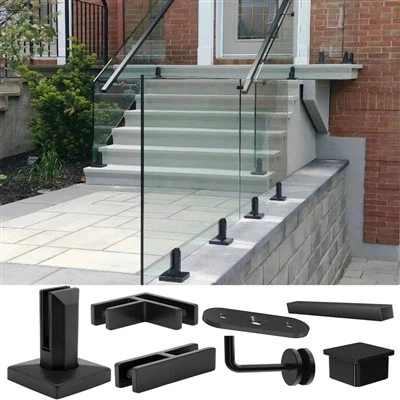
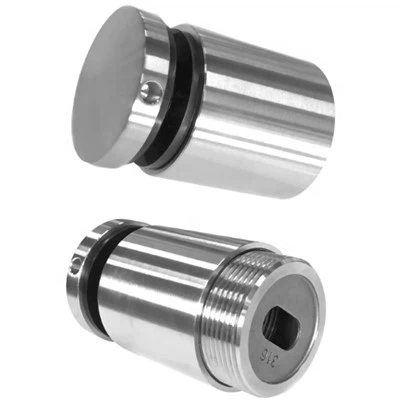
Hey there! As a handrail connector supplier, I've got a ton of knowledge about the different types of handrail connectors out there. In this blog, I'll walk you through the various kinds, their features, and where they're best used. So, let's dive right in!
1. Welded Handrail Connectors
Welded handrail connectors are super strong and durable. They're made by fusing the connector to the handrail and support posts using welding techniques. This creates a permanent and solid connection that can withstand a lot of stress.
One of the biggest advantages of welded connectors is their strength. They're perfect for high - traffic areas like public buildings, stairways in commercial spaces, or industrial facilities. Since the connection is seamless, there are no loose parts that could come apart over time.
However, there are also some downsides. Welding requires specialized skills and equipment. You can't just do it yourself without the proper training. And once it's welded, it's pretty much a permanent fixture. If you need to make changes or repairs later, it can be a hassle and might require cutting and re - welding.
2. Bolted Handrail Connectors
Bolted handrail connectors are another popular option. They use bolts and nuts to attach the handrail to the posts. This type of connector is great because it's relatively easy to install. You don't need to be a professional welder; just a few basic tools like a wrench are all you need.
Bolted connectors are also very flexible. If you need to disassemble the handrail for maintenance or relocation, it's a breeze. You simply loosen the bolts, and you can take the handrail apart. They're commonly used in residential settings, such as home staircases or decks.
But, they're not as strong as welded connectors. Over time, the bolts can loosen due to vibrations or regular use. You'll need to check and tighten them periodically to make sure the handrail remains secure.
3. Threaded Handrail Connectors
Threaded handrail connectors work by screwing the handrail onto the connector. They're similar to bolted connectors in terms of ease of installation. You just need to make sure the threads match up correctly.
These connectors are often used in lightweight handrail systems, like those in small balconies or indoor handrails. They provide a decent level of stability and are quite cost - effective.
However, like bolted connectors, they can also come loose over time. And if the threads get damaged, it can be difficult to repair, as you might need to replace the entire connector.
4. Compression Handrail Connectors
Compression handrail connectors rely on pressure to hold the handrail in place. They're designed to fit snugly around the handrail and post, creating a tight connection.
One of the main benefits of compression connectors is their quick installation. You don't need any special tools; just some elbow grease to push the parts together. They're also good for hiding the connection, giving the handrail a clean and seamless look.
But, they might not be as strong as welded or some bolted connectors. In high - stress situations, the compression might not be enough to keep the handrail firmly in place.
5. Handrail Tube Fittings
Handrail Tube Fittings are specifically designed for connecting tubes in handrail systems. They come in various shapes and sizes to fit different tube diameters and configurations.
These fittings are very versatile. You can use them to create straight runs, bends, or T - junctions in your handrail. They're often made from stainless steel, which is corrosion - resistant and looks great.
They're commonly used in modern and contemporary handrail designs, both in residential and commercial buildings. However, you need to make sure you choose the right size and type of fitting for your tubes to ensure a proper fit.
6. Railing Connector
Railing Connector is a general term that can refer to any type of connector used in railing systems. It encompasses all the different types we've mentioned above.
When you're looking for a railing connector, you need to consider the specific requirements of your project. Factors like the material of the railing, the load it will bear, and the aesthetic you want to achieve all play a role in choosing the right connector.


7. Railing Pipe Fittings
Railing Pipe Fittings are similar to handrail tube fittings but are usually used for larger - diameter pipes. They're often used in heavy - duty railing systems, such as those in industrial or commercial settings.
These fittings are designed to handle higher loads and are typically made from stronger materials. They can be welded, bolted, or threaded, depending on the specific application.
Choosing the Right Handrail Connector
When it comes to choosing the right handrail connector for your project, there are a few things to keep in mind. First, consider the location. If it's a high - traffic area or an outdoor location exposed to the elements, you'll need a more durable connector like a welded or heavy - duty bolted one.
Second, think about the material of your handrail and posts. Different connectors are designed to work best with specific materials, such as wood, metal, or PVC.
Third, consider the aesthetic. Some connectors are more visible than others, so if you want a sleek and seamless look, you might prefer a compression or hidden - type connector.
Why Choose Us as Your Handrail Connector Supplier
As a handrail connector supplier, we've got a wide range of connectors to meet all your needs. Whether you're working on a small residential project or a large commercial one, we've got you covered.
Our products are made from high - quality materials, so you can be sure they're durable and long - lasting. We also offer competitive prices and excellent customer service. If you have any questions or need help choosing the right connector, our team of experts is always here to assist you.
So, if you're in the market for handrail connectors, don't hesitate to get in touch with us. We're ready to start a conversation about your project and help you find the perfect connectors. Let's work together to make your handrail system safe, functional, and beautiful!
References
- "Handrail Design and Installation Guide" - A comprehensive guide on handrail systems and connectors.
- Industry standards and regulations related to handrail safety and construction.