


Weldability refers to a material's ability to be welded under specific conditions to form a joint with the expected properties. When it comes to stainless steel pipes, weldability is a crucial factor that impacts the quality, performance, and durability of the final welded structure. As a trusted stainless steel pipe supplier, we understand the importance of this characteristic and are committed to providing high - quality products with excellent weldability.
Factors Affecting the Weldability of Stainless Steel Pipes
Chemical Composition
The chemical composition of stainless steel pipes plays a fundamental role in their weldability. Stainless steel contains various elements such as chromium (Cr), nickel (Ni), carbon (C), and others. Chromium is a key element that forms a passive oxide layer on the surface of the steel, providing corrosion resistance. However, high chromium content can also lead to the formation of brittle phases during welding, reducing the weldability.
Nickel helps to stabilize the austenitic structure of stainless steel, improving its ductility and toughness. A proper balance of nickel and chromium is essential for good weldability. Carbon is another important element. High carbon content can increase the hardness of the weld zone, making it more prone to cracking. Therefore, low - carbon stainless steel grades, such as 304L and 316L, are often preferred for welding applications because they have better resistance to intergranular corrosion and cracking.
Microstructure
The microstructure of stainless steel pipes also affects their weldability. Austenitic stainless steels, such as 316 Stainless Steel Tube, have good weldability due to their face - centered cubic (FCC) crystal structure, which provides high ductility and toughness. Ferritic stainless steels, on the other hand, have a body - centered cubic (BCC) structure, which can be more prone to embrittlement during welding. Martensitic stainless steels are hard and strong but have relatively poor weldability because they are susceptible to cracking due to the formation of martensite during rapid cooling after welding.
Welding Process
Different welding processes have different effects on the weldability of stainless steel pipes. Some common welding processes for stainless steel pipes include Tungsten Inert Gas (TIG) welding, Metal Inert Gas (MIG) welding, and Shielded Metal Arc Welding (SMAW).
TIG welding is a popular choice for welding stainless steel pipes because it provides precise control over the welding process, produces high - quality welds with good appearance, and has a low heat input, which helps to minimize the distortion of the pipes. MIG welding is faster and more suitable for large - scale production, but it requires careful control of the shielding gas and welding parameters to avoid porosity and other defects. SMAW is a simple and cost - effective welding method, but it may produce more spatter and require more post - welding cleaning.
Common Welding Defects in Stainless Steel Pipes and How to Avoid Them
Cracking
Cracking is one of the most common welding defects in stainless steel pipes. There are two main types of cracking: hot cracking and cold cracking. Hot cracking occurs during the solidification of the weld metal and is usually caused by the presence of low - melting - point impurities, such as sulfur and phosphorus, or by high residual stresses in the weld zone. To avoid hot cracking, it is important to use high - quality filler metals with low impurity content and to control the welding speed and heat input.
Cold cracking occurs after the weld has cooled down and is mainly due to the formation of martensite in the heat - affected zone (HAZ) and the presence of hydrogen. To prevent cold cracking, pre - heating the pipes before welding and using low - hydrogen welding consumables can be effective measures.

Porosity
Porosity is another common defect that can reduce the strength and corrosion resistance of the weld. It is caused by the entrapment of gas bubbles in the weld metal during solidification. The main sources of gas are the shielding gas, moisture in the welding consumables, and contaminants on the pipe surface. To avoid porosity, it is necessary to ensure that the shielding gas is pure, the welding consumables are dry, and the pipe surface is clean before welding.
Lack of Fusion
Lack of fusion occurs when the weld metal does not properly fuse with the base metal or the previous weld bead. This can be caused by insufficient heat input, improper welding technique, or the presence of contaminants on the pipe surface. To prevent lack of fusion, it is important to use the correct welding parameters, such as the welding current, voltage, and travel speed, and to clean the pipe surface thoroughly before welding.
Benefits of Good Weldability in Stainless Steel Pipes
Structural Integrity
Stainless steel pipes with good weldability can form strong and reliable joints, ensuring the structural integrity of the welded structure. This is especially important in applications where the pipes are subjected to high pressure, high temperature, or dynamic loads, such as in the oil and gas industry, chemical processing plants, and power generation facilities.
Corrosion Resistance
Properly welded stainless steel pipes can maintain their excellent corrosion resistance. The passive oxide layer on the surface of the stainless steel can be restored after welding if the welding process is carried out correctly. This helps to prevent corrosion and extends the service life of the pipes, reducing maintenance costs and improving the safety of the system.
Aesthetic Appearance
Good weldability also allows for the production of welds with a smooth and clean appearance. This is important in applications where the visual quality of the welded structure is a concern, such as in architectural and decorative applications.
Our Offerings as a Stainless Steel Pipe Supplier
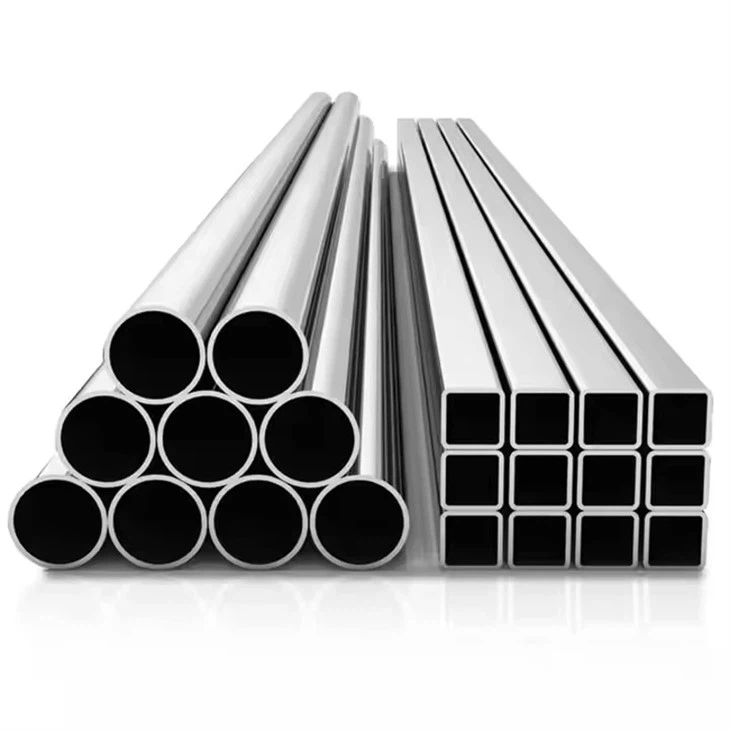
As a leading stainless steel pipe supplier, we offer a wide range of stainless steel pipes with excellent weldability. Our product portfolio includes Stainless Steel Round Tube and Stainless Steel Square Tubing in various grades and sizes to meet the diverse needs of our customers.
We source our stainless steel pipes from reputable manufacturers who adhere to strict quality control standards. Our technical team has extensive experience in the field of stainless steel welding and can provide professional advice on welding processes and parameters to ensure the best welding results for our customers.
Conclusion
The weldability of stainless steel pipes is a complex but important characteristic that is influenced by multiple factors, including chemical composition, microstructure, and welding process. Understanding these factors and taking appropriate measures to avoid common welding defects can help to ensure the quality and performance of the welded stainless steel structures.
As a stainless steel pipe supplier, we are dedicated to providing high - quality products with excellent weldability and comprehensive technical support. If you are interested in our stainless steel pipes or need more information about their weldability, please feel free to contact us for procurement discussions. We look forward to working with you to meet your stainless steel pipe needs.
References
- AWS Welding Handbook, American Welding Society
- Stainless Steel Handbook, ASM International
- Welding Metallurgy and Weldability of Stainless Steels, John C. Lippold and David J. Kotecki


