


In the realm of industrial materials, stainless steel pipes stand out as a cornerstone for a multitude of applications across various sectors. As a seasoned stainless steel pipe supplier, I've witnessed firsthand the dynamic nature of the market demand for these versatile products. This blog post aims to delve into the intricacies of the market demand for stainless steel pipes, exploring the factors that drive it, the industries that rely on it, and the future trends that are likely to shape the market.
Factors Driving the Market Demand for Stainless Steel Pipes
Corrosion Resistance
One of the primary reasons for the high demand for stainless steel pipes is their exceptional corrosion resistance. Stainless steel contains chromium, which forms a thin, protective oxide layer on the surface of the pipe. This layer prevents the underlying metal from reacting with oxygen and moisture, thereby protecting it from rust and corrosion. This property makes stainless steel pipes ideal for applications in harsh environments, such as chemical processing plants, marine applications, and wastewater treatment facilities.
Strength and Durability
Stainless steel pipes are known for their high strength and durability. They can withstand high pressure and temperature, making them suitable for a wide range of applications, including oil and gas pipelines, power generation plants, and structural applications. The strength and durability of stainless steel pipes also contribute to their long service life, reducing the need for frequent replacements and maintenance.
Aesthetic Appeal
In addition to their functional properties, stainless steel pipes also offer aesthetic appeal. Their sleek and modern appearance makes them a popular choice for architectural and decorative applications, such as handrails, staircases, and building facades. The ability to customize the finish of stainless steel pipes, including polished, brushed, and satin finishes, further enhances their aesthetic appeal.
Hygiene and Cleanliness
Stainless steel is a non-porous material, which means it does not harbor bacteria or other microorganisms. This makes stainless steel pipes an ideal choice for applications where hygiene is critical, such as food and beverage processing, pharmaceutical manufacturing, and medical equipment. The smooth surface of stainless steel pipes also makes them easy to clean and sanitize, ensuring a high level of cleanliness.
Industries Relying on Stainless Steel Pipes
Construction Industry
The construction industry is one of the largest consumers of stainless steel pipes. Stainless steel pipes are used in a variety of applications, including structural support, plumbing, and HVAC systems. In high-rise buildings, stainless steel pipes are used to provide structural support and to transport water, gas, and other fluids. In plumbing systems, stainless steel pipes are used to connect fixtures and appliances, ensuring a reliable and leak-free water supply.
Oil and Gas Industry
The oil and gas industry relies heavily on stainless steel pipes for the transportation of oil, gas, and other fluids. Stainless steel pipes are used in offshore platforms, refineries, and pipelines, where they are exposed to harsh environments and high pressures. The corrosion resistance and strength of stainless steel pipes make them ideal for these applications, ensuring the safe and efficient transportation of oil and gas.
Chemical Industry
The chemical industry uses stainless steel pipes for the transportation of chemicals and other corrosive substances. Stainless steel pipes are resistant to a wide range of chemicals, including acids, alkalis, and solvents, making them suitable for use in chemical processing plants, laboratories, and storage facilities. The ability of stainless steel pipes to withstand high temperatures and pressures also makes them ideal for use in chemical reactors and other high-pressure applications.

Food and Beverage Industry
The food and beverage industry requires high levels of hygiene and cleanliness in its production processes. Stainless steel pipes are the material of choice for the transportation of food and beverages, as they are non-toxic, easy to clean, and resistant to corrosion. Stainless steel pipes are used in food processing plants, breweries, and wineries, where they are exposed to a variety of food products and cleaning agents.
Future Trends in the Market Demand for Stainless Steel Pipes
Growing Demand for Sustainable Materials
As the world becomes more environmentally conscious, there is a growing demand for sustainable materials. Stainless steel is a highly sustainable material, as it is 100% recyclable and can be reused indefinitely without losing its properties. This makes stainless steel pipes an attractive choice for industries that are looking to reduce their environmental impact.
Technological Advancements
Technological advancements are driving the development of new and improved stainless steel pipes. For example, new manufacturing processes are being developed to produce stainless steel pipes with higher strength, better corrosion resistance, and improved aesthetic appeal. These advancements are likely to increase the demand for stainless steel pipes in a variety of industries.
Infrastructure Development
Infrastructure development is a major driver of the demand for stainless steel pipes. As countries around the world invest in the construction of new buildings, roads, bridges, and other infrastructure projects, the demand for stainless steel pipes is likely to increase. In addition, the replacement of aging infrastructure is also expected to drive the demand for stainless steel pipes in the coming years.
Conclusion
In conclusion, the market demand for stainless steel pipes is driven by a variety of factors, including corrosion resistance, strength and durability, aesthetic appeal, and hygiene and cleanliness. The industries that rely on stainless steel pipes include construction, oil and gas, chemical, and food and beverage. Future trends in the market demand for stainless steel pipes include the growing demand for sustainable materials, technological advancements, and infrastructure development.
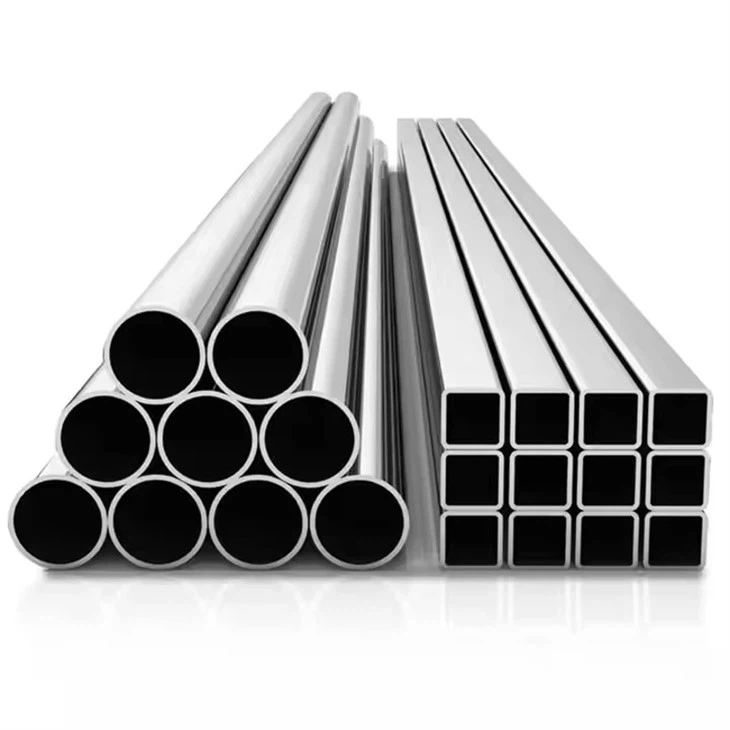
As a stainless steel pipe supplier, I am committed to providing high-quality products and excellent customer service. We offer a wide range of stainless steel pipes, including Stainless Steel Rectangular Tubing, Stainless Steel Square Tubing, and 316 Stainless Steel Tube. Our products are available in a variety of sizes, grades, and finishes to meet the specific needs of our customers.
If you are interested in learning more about our stainless steel pipes or would like to discuss your specific requirements, please contact us. We look forward to working with you to meet your stainless steel pipe needs.
References
- ASM International. (2000). Stainless Steels. Materials Park, OH: ASM International.
- ASTM International. (2019). Standard Specification for Seamless and Welded Austenitic Stainless Steel Tubing for General Service. West Conshohocken, PA: ASTM International.
- NACE International. (2016). Corrosion Basics: An Introduction. Houston, TX: NACE International.


