Hey there! As a supplier of laminated glass, I often get asked about the light transmission rate of laminated glass. So, I thought I'd write this blog to share some insights on this topic.
First off, let's understand what laminated glass is. Laminated glass consists of two or more layers of glass bonded together with an interlayer, usually made of polyvinyl butyral (PVB). This construction gives laminated glass several advantages, such as enhanced safety, sound insulation, and UV protection. But when it comes to light transmission, how well does it perform?
The light transmission rate of laminated glass can vary depending on several factors. One of the main factors is the type and thickness of the glass used. Generally, clear float glass, which is commonly used in laminated glass, has a relatively high light transmission rate. For example, a single layer of clear float glass can have a light transmission rate of around 90%. However, when multiple layers of glass are combined in laminated glass, the light transmission rate may decrease slightly.
The interlayer also plays a role in the light transmission rate. PVB interlayers are usually transparent, but they can absorb a small amount of light. The thickness of the interlayer can also affect the light transmission. Thicker interlayers may absorb more light, resulting in a lower light transmission rate.
Another factor to consider is the presence of any tints or coatings on the glass. Tinted laminated glass is often used for privacy or to reduce solar heat gain. However, tints can significantly reduce the light transmission rate. For instance, a lightly tinted laminated glass may have a light transmission rate of around 70 - 80%, while a heavily tinted one could have a rate as low as 20 - 30%.
Coatings, such as low - emissivity (low - e) coatings, are sometimes applied to laminated glass to improve energy efficiency. These coatings can reflect infrared radiation, which helps to keep the building cool in summer and warm in winter. But they can also have an impact on the light transmission rate. Depending on the type of low - e coating, the light transmission rate can range from 50% to 80%.


Now, let's talk about some common applications of laminated glass and how the light transmission rate matters in each case.
In architectural applications, such as building facades and windows, a high light transmission rate is often desired. This allows natural light to enter the building, reducing the need for artificial lighting and creating a more pleasant indoor environment. For example, in a modern office building, clear laminated glass with a high light transmission rate can be used to maximize daylighting and give the interior a bright and open feel. You can check out more about Laminated and Tempered Glass for different options suitable for architectural use.
In automotive applications, laminated glass is used for windshields. The light transmission rate of automotive laminated glass needs to meet certain safety standards. It should be high enough to provide good visibility for the driver, especially in low - light conditions. However, some automotive laminated glass may have a slight tint to reduce glare from the sun.
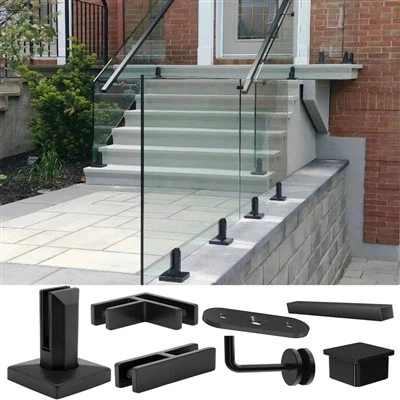
In the case of 12mm Toughened Glass, which is a type of laminated glass, its light transmission rate depends on the factors we've discussed above. If it's made of clear glass and a thin PVB interlayer, it can have a relatively high light transmission rate, making it suitable for applications where both strength and good light penetration are required, like in large - scale glass partitions or balcony railings.
As a supplier, I always recommend choosing the right laminated glass based on your specific needs. If you need a high light transmission rate, go for clear glass with a thin interlayer and no tints or coatings. But if you're more concerned about energy efficiency or privacy, then tinted or coated laminated glass might be a better option.
We have a wide range of laminated glass products with different light transmission rates to meet your diverse requirements. Whether you're an architect, a builder, or someone looking to replace the glass in your home, we can help you find the perfect solution.
If you're interested in our laminated glass products and want to discuss your project in more detail, feel free to reach out. We'd love to have a chat about your needs and provide you with the best options. Our team of experts is always ready to assist you in making the right choice for your laminated glass requirements.
References
- Glass Association of North America. (2023). Technical information on glass properties.
- PVB Manufacturers Association. (2023). Characteristics of PVB interlayers in laminated glass.