Hey there! As a supplier of stainless steel pipes, I often get asked about the impact resistance of these pipes. It's a crucial factor, especially when you're considering using them in various applications. So, let's dive right in and explore what makes stainless steel pipes resistant to impacts.
What Makes Stainless Steel Pipes Resistant to Impacts?
First off, stainless steel is an alloy that contains iron, chromium, and other elements. The chromium in stainless steel forms a thin, protective oxide layer on the surface of the pipe. This layer not only gives stainless steel its corrosion - resistant properties but also plays a role in its impact resistance.


The molecular structure of stainless steel is also a key factor. It has a fine - grained, homogeneous structure that allows it to distribute stress evenly when an impact occurs. Unlike some other materials that might crack or shatter upon impact, stainless steel can absorb and disperse the energy from the impact over a larger area.
Another important aspect is the work - hardening ability of stainless steel. When it's subjected to an impact, the material actually becomes harder in the areas where the stress is concentrated. This work - hardening effect helps to prevent further damage and deformation, enhancing the overall impact resistance of the pipe.
Applications Where Impact Resistance Matters
There are many applications where the impact resistance of stainless steel pipes is of utmost importance.
Construction and Infrastructure
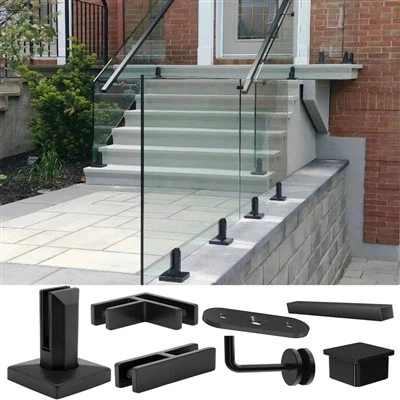
In building construction, stainless steel pipes are used for structural support, handrails, and drainage systems. In high - traffic areas, such as commercial buildings and public spaces, handrails made of stainless steel need to withstand accidental impacts from people or objects. The impact resistance ensures that they remain intact and safe for use over a long period. For drainage systems, pipes need to be able to handle the impact of falling debris and water pressure without breaking.
Industrial Settings
Industries like mining, manufacturing, and oil and gas rely heavily on stainless steel pipes. In mining, pipes are used to transport water, slurry, and other materials. These pipes are often exposed to rough handling and impacts from heavy equipment. In manufacturing plants, stainless steel pipes are used in conveyor systems and processing equipment. They need to resist impacts from moving parts and falling objects. In the oil and gas industry, pipes are used for transporting oil and gas over long distances. They are subjected to external impacts during installation and operation, and their impact resistance is crucial for preventing leaks and ensuring the safety of the entire system.
Transportation
In the transportation sector, stainless steel pipes are used in automotive exhaust systems, shipbuilding, and railway applications. In automotive exhaust systems, pipes need to withstand vibrations and impacts from rough roads. In shipbuilding, pipes are used for various purposes, including plumbing and ventilation. They are exposed to the harsh marine environment and need to resist impacts from waves, debris, and collisions. Railway applications use stainless steel pipes for brake lines and structural components. These pipes need to be able to handle the vibrations and impacts associated with train movement.
Comparing Different Types of Stainless Steel Pipes
Not all stainless steel pipes are created equal when it comes to impact resistance. Different grades and types of stainless steel have varying levels of impact resistance.
Austenitic Stainless Steel Pipes
Austenitic stainless steels, such as 304 and 316 grades, are known for their excellent impact resistance. They have a face - centered cubic (FCC) crystal structure, which gives them good ductility and toughness. This makes them suitable for applications where high impact resistance is required, such as in food processing plants and marine environments. You can check out our Stainless Steel Rectangular Tubing and Stainless Steel Square Tubing made from austenitic stainless steel, which offer great impact resistance for various construction and industrial uses.
Ferritic Stainless Steel Pipes
Ferritic stainless steels have a body - centered cubic (BCC) crystal structure. They are generally less ductile than austenitic stainless steels and have lower impact resistance at low temperatures. However, they are still used in applications where moderate impact resistance is sufficient, such as in some architectural and decorative applications.
Duplex Stainless Steel Pipes
Duplex stainless steels combine the properties of austenitic and ferritic stainless steels. They have a two - phase microstructure, which gives them high strength and good impact resistance. Duplex stainless steel pipes are often used in applications where both corrosion resistance and impact resistance are required, such as in the chemical and petrochemical industries.
Factors That Can Affect Impact Resistance
While stainless steel pipes are generally known for their good impact resistance, there are some factors that can affect it.
Temperature
The impact resistance of stainless steel can be affected by temperature. At low temperatures, some grades of stainless steel may become more brittle and less impact - resistant. This is especially true for ferritic stainless steels. On the other hand, at high temperatures, the strength and impact resistance of stainless steel may also decrease due to changes in its microstructure.
Wall Thickness
The wall thickness of the pipe plays a significant role in its impact resistance. Thicker - walled pipes generally have higher impact resistance because they can absorb more energy during an impact. However, thicker walls also mean higher costs and more weight, so it's important to find the right balance for your specific application.
Surface Finish
The surface finish of the pipe can also affect its impact resistance. A smooth surface finish can reduce the stress concentration points on the pipe, making it more resistant to impacts. Rough or scratched surfaces, on the other hand, can act as stress raisers and increase the likelihood of cracking and damage during an impact.
Our Range of Stainless Steel Pipes for High - Impact Applications
As a stainless steel pipe supplier, we offer a wide range of pipes with excellent impact resistance. Our Stainless Steel Rectangular Tubing is perfect for structural applications where impact resistance and aesthetic appeal are both important. The rectangular shape provides great strength and stability, and the stainless steel material ensures long - lasting performance.
Our Stainless Steel Square Tubing is another popular choice. It's commonly used in handrails, frames, and other applications where a clean and modern look is desired. The square shape offers good resistance to torsional and bending forces, in addition to its impact - resistant properties.
If you're looking for a specific size, our 2 Inch Stainless Steel Pipe is a great option. It's suitable for a variety of applications, from small - scale plumbing to industrial fluid transfer. We ensure that all our pipes are made from high - quality stainless steel and meet the highest standards of impact resistance.
Conclusion and Call to Action
In conclusion, the impact resistance of stainless steel pipes is a key property that makes them suitable for a wide range of applications. Whether you're in construction, industry, or any other field that requires durable and reliable piping solutions, stainless steel pipes are a great choice.
If you're interested in purchasing stainless steel pipes for your project, we'd love to hear from you. We can provide you with detailed information about our products, including their impact resistance, specifications, and pricing. Contact us to discuss your requirements and let's find the perfect stainless steel pipes for your needs.
References
- ASM Handbook Committee. (2004). ASM Handbook, Volume 1: Properties and Selection: Irons, Steels, and High - Performance Alloys. ASM International.
- Croll, J. (2006). Stainless Steel: A Guide to Its Properties, Selection, and Applications. Elsevier.
- Welding Journal. (2010). Impact Testing of Stainless Steel Weldments. American Welding Society.