When it comes to selecting pipes for various applications, two materials often stand out: stainless steel pipes and copper pipes. As a stainless steel pipe supplier, I've witnessed firsthand the different scenarios where each type of pipe excels. In this blog, I'll delve into the key differences between stainless steel pipes and copper pipes, exploring their properties, advantages, and limitations to help you make an informed decision for your projects.
Composition and Material Properties
Stainless Steel Pipes
Stainless steel is an alloy primarily composed of iron, with a minimum of 10.5% chromium. This chromium content forms a passive oxide layer on the surface of the steel, which protects it from corrosion and oxidation. Other elements such as nickel, molybdenum, and titanium may also be added to enhance specific properties like strength, formability, and resistance to pitting and crevice corrosion.
There are various grades of stainless steel, each with its own unique set of characteristics. For example, the commonly used 304 stainless steel offers good corrosion resistance and is suitable for a wide range of applications, from food processing to architectural structures. Grade 316 stainless steel, on the other hand, contains molybdenum, which provides enhanced resistance to chloride corrosion, making it ideal for marine and chemical environments.
Copper Pipes
Copper is a pure metal with excellent thermal and electrical conductivity. It has been used for plumbing and piping applications for centuries due to its durability and resistance to corrosion. Copper pipes are typically made from either soft or hard copper. Soft copper is more malleable and can be easily bent and shaped, making it suitable for applications where flexibility is required, such as in residential plumbing. Hard copper, on the other hand, is more rigid and is often used for water supply lines and underground installations.
Corrosion Resistance
Stainless Steel Pipes
One of the most significant advantages of stainless steel pipes is their exceptional corrosion resistance. The passive oxide layer on the surface of stainless steel acts as a barrier, preventing the underlying metal from coming into contact with corrosive agents. This makes stainless steel pipes highly resistant to rust, staining, and pitting, even in harsh environments.
For example, in coastal areas where the air contains high levels of salt, stainless steel pipes can withstand the corrosive effects of saltwater spray much better than copper pipes. Similarly, in industrial settings where pipes may be exposed to chemicals and acids, stainless steel pipes offer superior corrosion resistance, ensuring long-term reliability and performance.
Copper Pipes
Copper pipes also have good corrosion resistance, but they are more susceptible to certain types of corrosion compared to stainless steel. For instance, copper can react with acidic or alkaline water, leading to the formation of copper salts and corrosion products. In areas with high levels of dissolved oxygen or aggressive water chemistry, copper pipes may experience pitting corrosion, which can weaken the pipe walls and lead to leaks over time.
Strength and Durability
Stainless Steel Pipes
Stainless steel pipes are known for their high strength and durability. They can withstand high pressures and temperatures, making them suitable for a wide range of applications, including industrial piping systems, oil and gas pipelines, and structural supports. The strength of stainless steel pipes also allows for thinner wall thicknesses, which can reduce material costs and installation time.
In addition, stainless steel pipes have excellent resistance to mechanical damage, such as impact and abrasion. This makes them ideal for applications where the pipes may be subject to rough handling or external forces, such as in construction sites or mining operations.
Copper Pipes
Copper pipes are relatively strong and durable, but they are not as strong as stainless steel pipes. They have a lower tensile strength and are more prone to deformation under high pressures and temperatures. Copper pipes also have a lower resistance to mechanical damage, and they may be more easily dented or bent during installation or use.


Cost
Stainless Steel Pipes
The cost of stainless steel pipes is generally higher than that of copper pipes. This is due to the higher cost of the raw materials and the more complex manufacturing processes involved in producing stainless steel. However, the long-term cost of stainless steel pipes may be lower when considering their superior corrosion resistance, strength, and durability.
In addition, the thinner wall thicknesses of stainless steel pipes can reduce material costs, and their longer service life can result in lower maintenance and replacement costs over time.
Copper Pipes
Copper pipes are more affordable than stainless steel pipes, making them a popular choice for residential plumbing and small-scale applications. However, the cost of copper can fluctuate significantly depending on market conditions, which can affect the overall cost of a project.
Installation and Maintenance
Stainless Steel Pipes
Installing stainless steel pipes requires specialized tools and techniques due to their high strength and hardness. Welding is the most common method of joining stainless steel pipes, which requires skilled welders and proper welding equipment. However, there are also other joining methods available, such as mechanical couplings and threaded connections, which can simplify the installation process.
Maintenance of stainless steel pipes is relatively low compared to copper pipes. They do not require regular cleaning or coating to prevent corrosion, and they can be easily cleaned with mild detergents and water.
Copper Pipes
Copper pipes are relatively easy to install, especially soft copper pipes, which can be bent and shaped without the need for specialized tools. Soldering is the most common method of joining copper pipes, which is a relatively simple process that can be learned quickly.
However, copper pipes may require more maintenance compared to stainless steel pipes. They may need to be periodically cleaned to remove corrosion products and prevent the buildup of scale and sediment. In addition, copper pipes may be more susceptible to leaks and failures over time, which may require more frequent repairs and replacements.
Applications
Stainless Steel Pipes
Stainless steel pipes are used in a wide range of applications, including:
- Industrial piping systems: Stainless steel pipes are commonly used in chemical, petrochemical, and food processing industries due to their corrosion resistance and high strength.
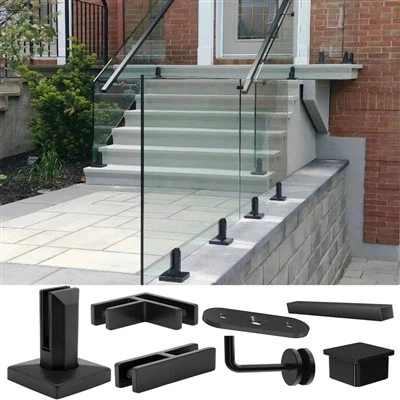
- Architectural structures: Stainless steel pipes are used for architectural applications, such as handrails, balustrades, and structural supports, due to their aesthetic appeal and durability.
- Marine and offshore applications: Stainless steel pipes are ideal for marine and offshore applications, such as shipbuilding, oil and gas platforms, and desalination plants, due to their resistance to saltwater corrosion.
- Medical and pharmaceutical industries: Stainless steel pipes are used in medical and pharmaceutical applications, such as hospital plumbing systems and laboratory equipment, due to their hygienic properties and resistance to corrosion.
Copper Pipes
Copper pipes are primarily used in plumbing and heating applications, including:
- Residential plumbing: Copper pipes are the most commonly used material for residential plumbing systems, including water supply lines, drainage pipes, and heating systems.
- HVAC systems: Copper pipes are used in heating, ventilation, and air conditioning (HVAC) systems due to their excellent thermal conductivity and corrosion resistance.
- Refrigeration systems: Copper pipes are used in refrigeration systems, such as air conditioners and refrigerators, due to their ability to transfer heat efficiently.
Conclusion
In conclusion, both stainless steel pipes and copper pipes have their own unique advantages and limitations. The choice between the two depends on various factors, such as the application, environment, budget, and personal preferences.
If you are looking for pipes with superior corrosion resistance, high strength, and durability, stainless steel pipes are the better choice. They are ideal for applications in harsh environments, such as coastal areas, industrial settings, and marine applications. On the other hand, if you are looking for pipes that are more affordable and easier to install, copper pipes may be a suitable option for residential plumbing and small-scale applications.
As a stainless steel pipe supplier, I offer a wide range of Stainless Steel Square Tubing, Stainless Steel Round Tube, and Stainless Steel Rectangular Tubing to meet your specific needs. If you have any questions or would like to discuss your project requirements, please feel free to contact me. I'll be happy to provide you with expert advice and assistance.
References
- ASM Handbook, Volume 13A: Corrosion: Fundamentals, Testing, and Protection. ASM International.
- ASTM International Standards for Stainless Steel and Copper Pipes.
- Copper Development Association Inc. (CDA): Technical Resources on Copper Pipes.
- Stainless Steel World: Articles and Research on Stainless Steel Applications.