


As a handrail connector supplier, I've witnessed firsthand the critical role these components play in various settings, especially in water treatment plants. The corrosion resistance of handrail connectors in such environments is not just a technical specification; it's a matter of safety, durability, and long - term cost - effectiveness.
Understanding the Water Treatment Plant Environment
Water treatment plants are complex facilities that handle a wide range of water sources, from raw water to treated effluent. The water may contain various chemicals, minerals, and microorganisms. For example, in the process of water purification, chlorine is commonly used to disinfect water. Chlorine, in its various forms, can be highly corrosive to many metals. Additionally, the presence of salts, acids, and alkalis in the water can accelerate the corrosion process.
The humidity levels in water treatment plants are also consistently high. Moisture in the air creates a conducive environment for corrosion to occur. When metal handrail connectors are exposed to this humid and chemically - active atmosphere, they are at risk of developing rust, pitting, and other forms of corrosion.
Types of Corrosion in Water Treatment Plants
There are several types of corrosion that handrail connectors may face in water treatment plants.

Uniform Corrosion
Uniform corrosion is the most common type. It occurs when the entire surface of the metal is attacked evenly by the corrosive agents in the environment. In a water treatment plant, the constant contact with water and chemicals can lead to a gradual thinning of the metal surface of the handrail connectors. Over time, this can weaken the connectors, reducing their load - bearing capacity and compromising the integrity of the handrail system.
Pitting Corrosion
Pitting corrosion is more localized and can be particularly dangerous. It starts as small pits on the metal surface and can penetrate deep into the material. In water treatment plants, factors such as the presence of chloride ions in the water can trigger pitting corrosion. Once a pit forms, it can act as a focal point for further corrosion, potentially leading to the failure of the handrail connector.
Galvanic Corrosion
Galvanic corrosion occurs when two different metals are in contact in the presence of an electrolyte, such as water. In a handrail system, if different metals are used for the connectors and the handrail pipes, and they are exposed to the wet environment of a water treatment plant, galvanic corrosion can take place. The more active metal will corrode at an accelerated rate, which can quickly damage the handrail connectors.
Factors Affecting the Corrosion Resistance of Handrail Connectors
Several factors influence the corrosion resistance of handrail connectors in water treatment plants.
Material Selection
The choice of material is perhaps the most crucial factor. Stainless steel is a popular choice for handrail connectors in water treatment plants due to its excellent corrosion resistance. Stainless steel contains chromium, which forms a passive oxide layer on the surface of the metal. This layer acts as a barrier, preventing the corrosive agents from reaching the underlying metal. For example, 316 stainless steel, which contains molybdenum, offers enhanced resistance to pitting corrosion, making it suitable for environments with high chloride levels, such as water treatment plants.
Surface Finish
The surface finish of the handrail connectors can also affect their corrosion resistance. A smooth surface is less likely to trap dirt, moisture, and corrosive agents compared to a rough surface. Polished or electro - polished finishes can improve the corrosion resistance of the connectors by providing a more uniform and protective surface.
Coating and Plating
Applying coatings or platings to the handrail connectors can provide an additional layer of protection against corrosion. For example, powder coating can create a durable and chemical - resistant barrier on the surface of the connectors. Zinc plating is another option that can offer sacrificial protection, where the zinc corrodes first, protecting the underlying metal.
Importance of Corrosion - Resistant Handrail Connectors
The use of corrosion - resistant handrail connectors in water treatment plants is of utmost importance for several reasons.
Safety
Safety is the top priority in any industrial facility, including water treatment plants. Corroded handrail connectors can weaken the handrail system, increasing the risk of accidents. Workers rely on handrails for support and balance, especially when working on elevated platforms or near moving equipment. A corroded handrail that fails can lead to falls and serious injuries.
Durability
Investing in corrosion - resistant handrail connectors can significantly extend the lifespan of the handrail system. In a water treatment plant, where the environment is harsh, using connectors that can withstand corrosion means less frequent replacement and maintenance. This reduces downtime and saves on replacement costs in the long run.
Aesthetics
In addition to safety and durability, the aesthetics of the handrail system also matter. Corroded handrail connectors can make the entire handrail system look unappealing. In a modern water treatment plant, a well - maintained and visually appealing handrail system can contribute to the overall professional appearance of the facility.
Our Handrail Connectors and Their Corrosion Resistance
As a handrail connector supplier, we offer a wide range of products designed to meet the high - corrosion - resistance requirements of water treatment plants.
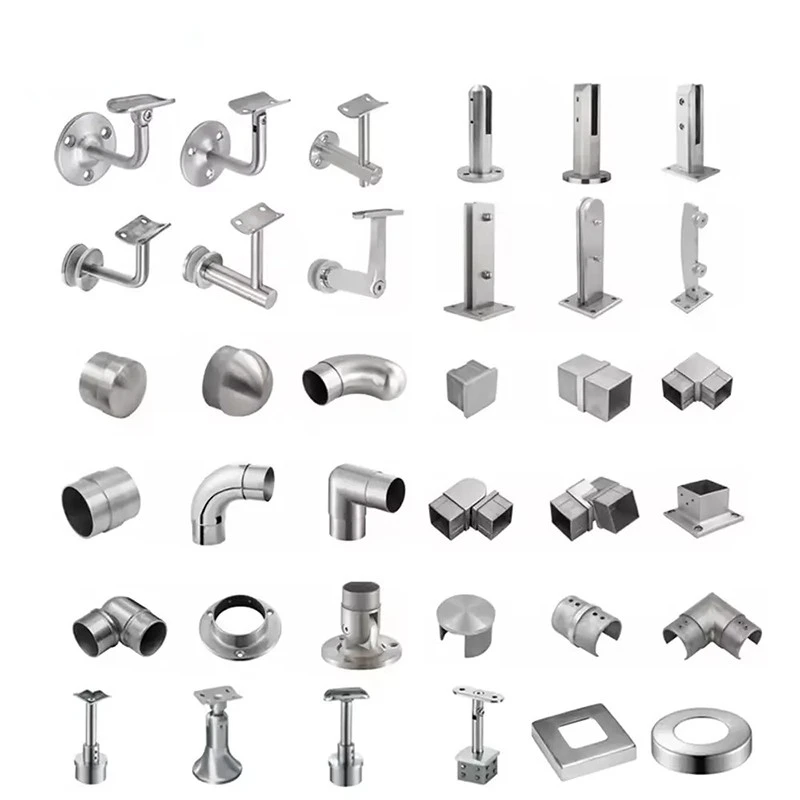
Our Pipe Handrail Fittings are made from high - quality stainless steel, specifically selected for its excellent corrosion resistance properties. The 316 stainless steel we use contains the right balance of chromium, nickel, and molybdenum, which provides superior protection against pitting and crevice corrosion. These fittings are precision - engineered to ensure a perfect fit, reducing the risk of moisture and chemical ingress at the connection points.
Our Railing Pipe Fittings are also designed with corrosion resistance in mind. They undergo a rigorous surface treatment process to achieve a smooth and uniform finish. This not only enhances their corrosion resistance but also makes them easier to clean and maintain.
Our Hand Rail Connectors are available in different styles and configurations to suit various handrail designs. Whether it's a simple straight - through connector or a more complex corner connector, we ensure that each product is made to the highest standards of corrosion resistance.
Conclusion
The corrosion resistance of handrail connectors in water treatment plants is a critical factor that cannot be overlooked. The harsh environment of these facilities, with its high humidity, chemicals, and moisture, poses significant challenges to the integrity of handrail systems. By understanding the types of corrosion, the factors affecting corrosion resistance, and the importance of using corrosion - resistant connectors, water treatment plant operators can ensure the safety, durability, and aesthetics of their handrail systems.
As a handrail connector supplier, we are committed to providing high - quality products that meet the specific needs of water treatment plants. Our range of corrosion - resistant handrail connectors is designed to withstand the toughest conditions, offering long - term performance and peace of mind.
If you are in the process of building or upgrading a handrail system in a water treatment plant, we invite you to contact us for a detailed discussion about your requirements. Our team of experts is ready to assist you in selecting the right handrail connectors for your project.
References
- Fontana, M. G. (1986). Corrosion Engineering. McGraw - Hill.
- Uhlig, H. H., & Revie, R. W. (1985). Corrosion and Corrosion Control. Wiley - Interscience.
- ASM Handbook, Volume 13A: Corrosion: Fundamentals, Testing, and Protection. ASM International.


