Hey there! As a supplier of tactile studs, I've seen firsthand how these little guys play a crucial role in ensuring safety and accessibility. Tactile studs, also known as tactile indicators, are those textured markers you often see on the ground, especially in areas where people with visual impairments need guidance. They're like silent guides, helping folks navigate their surroundings safely. But like any other product, they need proper maintenance to keep doing their job effectively. So, let's dive into what I think is the best way to maintain tactile studs.
Understanding Tactile Studs
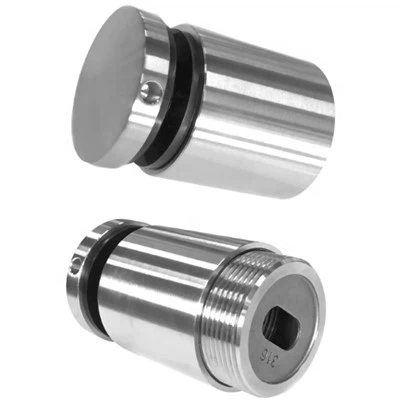
Before we talk about maintenance, let's quickly go over what tactile studs are and why they're so important. Tactile studs come in different shapes, sizes, and materials. The most common ones are made of Stainless Steel Tactile Indicators, which are durable and resistant to wear and tear. These studs are typically installed on pavements, railway platforms, and other public areas to provide tactile cues for people with visual impairments.
They work by creating a contrast in texture between the stud and the surrounding surface. When a person with a visual impairment walks over the studs, they can feel the difference and use it to navigate. For example, a series of raised dots might indicate a safe walking path, while a line of bars could signal the edge of a platform.
Why Maintenance is Crucial
Now, you might be wondering why maintenance is such a big deal. Well, here's the thing: over time, tactile studs can get dirty, damaged, or worn out. When this happens, they lose their effectiveness, and that can put people at risk. For example, if a stud is covered in dirt or debris, it might be difficult for a person with a visual impairment to feel it. Similarly, if a stud is damaged or loose, it could cause someone to trip and fall.
Regular maintenance helps to ensure that tactile studs remain in good working condition. It not only keeps people safe but also extends the lifespan of the studs, saving you money in the long run.
Best Practices for Maintaining Tactile Studs
Cleaning
Cleaning is one of the most important aspects of tactile stud maintenance. Dirt, dust, leaves, and other debris can accumulate on the surface of the studs, making them less noticeable to people with visual impairments. To clean tactile studs, you can use a pressure washer or a stiff-bristled brush.
If you're using a pressure washer, make sure to use a low-pressure setting to avoid damaging the studs. Start by rinsing the area around the studs to remove any loose debris. Then, aim the pressure washer at the studs and spray them from a distance of about 12 inches. Move the pressure washer back and forth over the studs until they're clean.
If you're using a stiff-bristled brush, wet the studs first to loosen the dirt. Then, scrub the studs vigorously with the brush, paying special attention to the grooves and edges. Rinse the studs with water to remove any remaining dirt.
It's a good idea to clean tactile studs on a regular basis, especially in areas with heavy foot traffic or where there's a lot of dirt and debris. Depending on the location, you might need to clean the studs weekly, monthly, or quarterly.
Inspection
In addition to cleaning, regular inspections are also essential for maintaining tactile studs. During an inspection, you should look for signs of damage, such as cracks, chips, or loose studs. You should also check for signs of wear and tear, such as faded or worn-down textures.
To inspect tactile studs, you can walk along the area where they're installed and visually examine them. Look for any studs that are out of place, damaged, or missing. You can also use your hands to feel the studs and check for any irregularities.
If you notice any damage or wear and tear during an inspection, you should repair or replace the affected studs as soon as possible. Ignoring the problem can lead to further damage and increase the risk of accidents.
Repair and Replacement
If you find any damaged or worn-out tactile studs during an inspection, you'll need to repair or replace them. The method you use will depend on the type of damage and the material of the studs.
For minor damage, such as a small crack or chip, you might be able to repair the stud using a special adhesive or filler. Make sure to follow the manufacturer's instructions when using these products.
If the damage is more severe, or if the stud is completely loose or missing, you'll need to replace it. When replacing a tactile stud, make sure to use a stud that's the same size, shape, and material as the original. This will ensure that the new stud blends in with the existing studs and provides the same level of functionality.
Protection
Finally, taking steps to protect tactile studs from damage can also help to extend their lifespan. For example, you can install barriers or guards around the studs to prevent them from being hit by vehicles or other objects. You can also avoid using harsh chemicals or abrasive cleaners on the studs, as these can damage the surface and reduce their effectiveness.
The Role of High-Quality Tactile Studs
Investing in high-quality tactile studs from the start can also make a big difference in terms of maintenance. Stainless Steel Tactile Studs are a great choice because they're durable, corrosion-resistant, and easy to clean. They can withstand heavy foot traffic, harsh weather conditions, and other environmental factors without losing their effectiveness.
When you choose high-quality tactile studs, you'll spend less time and money on maintenance in the long run. You'll also have peace of mind knowing that you're providing a safe and reliable solution for people with visual impairments.
Working with a Professional Supplier
As a tactile stud supplier, I know how important it is to work with a professional who understands the needs of your project. A good supplier can provide you with high-quality tactile studs, as well as expert advice on installation, maintenance, and repair.
When choosing a tactile stud supplier, look for someone who has experience in the industry and a reputation for providing excellent customer service. They should be able to answer your questions, provide you with samples, and help you choose the right studs for your needs.
Conclusion
Maintaining tactile studs is essential for ensuring the safety and accessibility of public spaces. By following the best practices outlined in this blog post, you can keep your tactile studs in good working condition and extend their lifespan. Remember to clean the studs regularly, inspect them for damage, repair or replace any damaged studs, and take steps to protect them from damage.
If you're in the market for tactile studs, I'd love to help. Whether you're working on a small project or a large-scale installation, I can provide you with high-quality Stainless Steel Tactile Indicators and Stainless Steel Tactile Studs that meet your needs. And if you're looking for Tactile Indicators Bunnings, I can help you find the right products for your project.


So, if you have any questions or if you're ready to place an order, don't hesitate to reach out. Let's work together to create safer and more accessible public spaces for everyone.
References
- "Tactile Paving Installation and Maintenance Guidelines." Local Government Association, 2018.
- "Accessible Pedestrian Signals: Best Practices for Design, Installation, and Maintenance." Federal Highway Administration, 2019.