


Hey there! As a glass supplier, I often get asked about different types of glass, and one question that pops up quite a bit is “What is optical glass?” Well, let's dive right in and break it down.
What is Optical Glass?
Optical glass is a special type of glass that's designed with specific optical properties. It's not your regular window glass or the glass used in a drinking cup. This stuff is engineered to have high optical clarity, which means it allows light to pass through it with very little distortion.
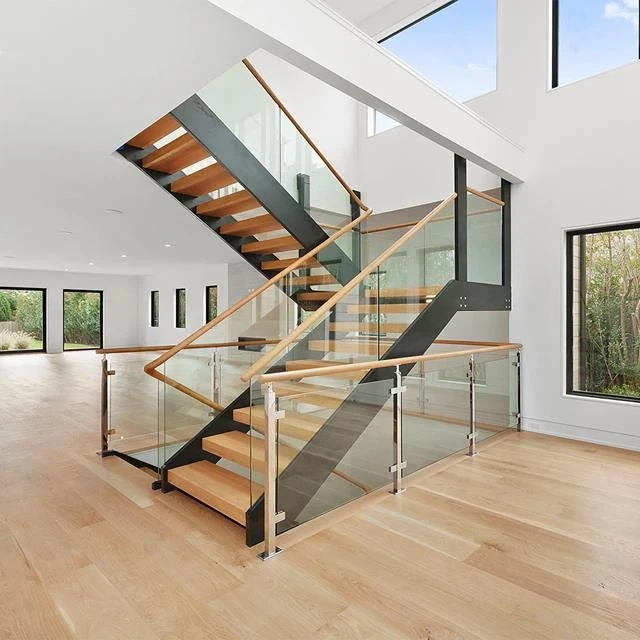

You see, when light travels through a material, it can get bent, scattered, or absorbed. But optical glass is made in such a way that it minimizes these effects. It's like a super - clear path for light. This makes it perfect for all sorts of applications where precise control of light is needed.
How is it Made?
Making optical glass is no easy feat. It starts with carefully selected raw materials. These usually include things like silica, which is the main component of most glasses, along with other chemicals like boron, lead, and various metal oxides. The choice of these raw materials depends on the specific properties that the final glass needs to have.
Once the raw materials are gathered, they're melted together in a high - temperature furnace. This melting process can take hours, and it has to be carefully controlled to ensure a uniform mixture. After melting, the glass is then cooled slowly. This slow cooling, called annealing, helps to relieve internal stresses in the glass. If these stresses aren't relieved, they can cause the glass to crack or break, or they can affect its optical properties.
Properties of Optical Glass
One of the most important properties of optical glass is its refractive index. The refractive index tells you how much light will bend when it enters the glass. Different types of optical glass have different refractive indices, and this property is crucial for making lenses. For example, a lens with a high refractive index can bend light more sharply, which means you can make a thinner and lighter lens with the same focusing power.
Another key property is dispersion. Dispersion is the phenomenon where different colors of light bend by different amounts when they pass through a material. In optical glass, controlling dispersion is important to reduce something called chromatic aberration. Chromatic aberration can cause colored fringes around objects when you're looking through a lens, and it's not something you want in high - quality optical devices.
Applications of Optical Glass
Optical glass is used in a wide range of applications. One of the most common uses is in eyeglasses. The lenses in your glasses are made from optical glass (or sometimes plastic, but optical glass is still very popular). The precise optical properties of the glass are tailored to correct your specific vision problems, whether it's nearsightedness, farsightedness, or astigmatism.
It's also used in cameras. Camera lenses are made from multiple elements of optical glass, each designed to perform a specific function. These lenses need to have high optical quality to capture sharp, clear images. The better the optical glass, the better the camera's performance.
Microscopes and telescopes also rely heavily on optical glass. In a microscope, the lenses made from optical glass allow you to see tiny objects that are otherwise invisible to the naked eye. And in a telescope, optical glass lenses or mirrors help you to observe distant stars and galaxies.
Now, let's talk about some other glass products we offer. We have some really cool stuff like Glass Panel Balcony. These glass panels are not only stylish but also very safe. They can add a modern touch to any balcony or terrace.
Our Spigot For Glass is another great product. It's used in frameless glass railing systems, providing a clean and minimalist look. These spigots are strong and durable, ensuring that your glass railing stays in place.
And if you're looking for something for safety and accessibility, our Ceramic Tactile Tiles are a great option. These tiles are designed to provide tactile cues for visually impaired people, helping them navigate safely in public areas.
Quality Control in Optical Glass Production
When it comes to making optical glass, quality control is of the utmost importance. Every batch of glass has to be tested to make sure it meets the required optical standards. There are various testing methods used. For example, a refractometer is used to measure the refractive index of the glass. This device shines a beam of light through the glass and measures how much the light is bent.
Another important test is for surface quality. The surface of optical glass needs to be extremely smooth. Even tiny scratches or bumps can affect the way light passes through the glass. So, we use special techniques to polish the glass to a very high level of smoothness. And then, we use optical inspection methods to check for any surface defects.
Comparing Optical Glass with Other Types of Glass
Optical glass is quite different from other types of glass, like soda - lime glass, which is used for things like windows and bottles. Soda - lime glass is cheaper and easier to make, but it doesn't have the same optical properties as optical glass. It has more impurities and a higher level of distortion, which makes it unsuitable for applications where precise control of light is needed.
There's also tempered glass, which is known for its strength and safety. Tempered glass is often used in things like shower doors and car windows. But again, it's not designed for optical applications. The tempering process can introduce some internal stresses that can affect the way light passes through the glass.
Why Choose Our Optical Glass?
As a glass supplier, we take pride in the quality of our optical glass. We have a team of experts who are constantly working to improve our manufacturing processes. We source the best raw materials, and we use state - of - the - art equipment to make sure our optical glass meets the highest standards.
We also offer a wide range of optical glass products to suit different needs. Whether you're a small business making eyeglasses or a large company producing high - end cameras, we can provide you with the right type of optical glass. And we're not just about selling the product. We also offer excellent customer service. Our team is always ready to answer your questions and help you choose the best glass for your application.
Conclusion
So, there you have it! That's a basic overview of what optical glass is, how it's made, its properties, and its applications. Whether you're in the market for optical glass for your optical devices or you're interested in our other glass products like Glass Panel Balcony, Spigot For Glass, or Ceramic Tactile Tiles, we're here to help.
If you're interested in purchasing our glass products or have any questions, don't hesitate to reach out. We're looking forward to discussing your requirements and finding the perfect glass solutions for you.
References
- Hecht, Eugene. Optics. Addison - Wesley, 2002.
- Macleod, H. Angus. Thin - Film Optical Filters. Institute of Physics Publishing, 2001.
- Schott Glass Technologies. Handbook of Optics. McGraw - Hill, 1995.


