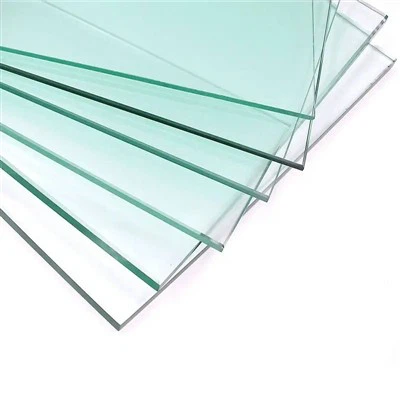
Laminated glass is a remarkable product that combines safety, security, and aesthetic appeal. As a supplier of laminated glass, I've witnessed firsthand the various factors that can cause damage to this otherwise robust material. Understanding these causes is crucial for both consumers and professionals in the construction and glass industries. In this blog, I'll delve into the primary reasons behind laminated glass damage and offer insights on how to prevent it.
Physical Impact
One of the most common causes of damage to laminated glass is physical impact. Whether it's a direct hit from a hard object or a sudden shock, the glass can crack or break. For instance, a baseball accidentally hitting a window or a heavy tool dropped on a glass table can cause significant damage. The intensity of the impact and the type of object involved play a crucial role in determining the extent of the damage.
Laminated glass is designed to withstand a certain amount of force. It consists of two or more layers of glass bonded together with a polyvinyl butyral (PVB) interlayer. This interlayer holds the glass together even when it breaks, preventing shards from flying off and causing injury. However, if the impact is too strong, the glass can still crack or break completely.


To minimize the risk of damage from physical impact, it's important to choose the right thickness and type of laminated glass for the application. For high-traffic areas or locations where there's a higher risk of impact, 12mm Toughened Glass may be a better choice. This type of glass is stronger and more resistant to impact than standard laminated glass.
Thermal Stress
Thermal stress is another significant factor that can cause damage to laminated glass. When the glass is exposed to extreme temperature changes, it expands and contracts. If the expansion or contraction is not uniform, it can create stress within the glass, leading to cracks or breakage.
For example, in a building with large glass windows, the glass can heat up during the day and cool down at night. This constant expansion and contraction can cause stress to build up over time. Additionally, if the glass is installed near a heat source, such as a radiator or a fireplace, it can also experience thermal stress.
To prevent damage from thermal stress, it's important to ensure proper installation and ventilation. The glass should be installed with sufficient space for expansion and contraction. Additionally, using low-emissivity (Low-E) glass can help reduce the amount of heat transfer, minimizing the risk of thermal stress.
Chemical Damage
Chemical damage can also occur to laminated glass. Exposure to certain chemicals, such as acids, alkalis, or solvents, can etch or corrode the glass surface. This can not only affect the appearance of the glass but also weaken its structural integrity.
For example, if a cleaning product containing harsh chemicals is used on the glass, it can cause damage. Similarly, if the glass is exposed to industrial pollutants or environmental contaminants, it can also be affected.
To prevent chemical damage, it's important to use gentle cleaning products specifically designed for glass. Avoid using abrasive materials or harsh chemicals that can scratch or damage the glass surface. Additionally, if the glass is installed in an area with high levels of pollution or chemical exposure, it may be necessary to take additional protective measures.
Installation Issues
Improper installation can also lead to damage to laminated glass. If the glass is not installed correctly, it can be subject to stress and pressure, which can cause cracks or breakage. For example, if the glass is not properly aligned or if the mounting hardware is too tight, it can create stress points in the glass.
To ensure proper installation, it's important to hire a professional installer with experience in working with laminated glass. The installer should follow the manufacturer's guidelines and use the appropriate tools and techniques. Additionally, the glass should be inspected before and after installation to ensure that it is in good condition.
Environmental Factors
Environmental factors, such as weather conditions and natural disasters, can also cause damage to laminated glass. For example, strong winds, hail, or earthquakes can subject the glass to extreme forces, leading to cracks or breakage.
To protect against environmental damage, it's important to choose laminated glass that is designed to withstand the specific environmental conditions of the location. For areas prone to high winds or hurricanes, impact-resistant laminated glass may be a better choice. Additionally, installing protective barriers, such as shutters or storm windows, can help reduce the risk of damage.
Conclusion
In conclusion, there are several factors that can cause damage to laminated glass, including physical impact, thermal stress, chemical damage, installation issues, and environmental factors. As a supplier of laminated glass, I understand the importance of providing high-quality products and ensuring proper installation. By understanding the causes of damage and taking appropriate preventive measures, we can help our customers enjoy the benefits of laminated glass for years to come.
If you're interested in purchasing laminated glass for your next project, I encourage you to contact us to discuss your specific needs. We offer a wide range of Laminated and Tempered Glass products to meet your requirements. Our team of experts can provide you with professional advice and guidance to ensure that you choose the right glass for your application.
References
- ASTM International. (2018). Standard Specification for Laminated Glass. ASTM C1172 - 18.
- Glass Association of North America. (2020). Glass Performance Directory.
- Pilkington. (2021). Technical Information: Laminated Glass.