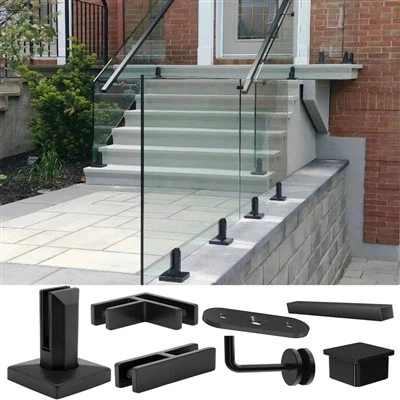
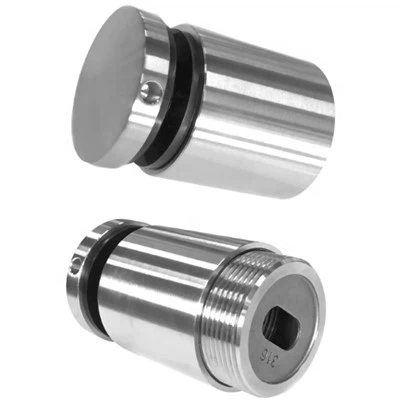
Hey there! I'm a supplier of glass spiders, and I've been in this business for quite some time. Glass spiders, those nifty little components used in glass curtain walls, are pretty cool in my book. But like anything else in the world, they face a bunch of threats that we, as suppliers, need to keep an eye on.
First off, let's talk about the material side of things. Glass spiders are often made of stainless steel or other metals. One major threat is corrosion. You see, if these spiders are exposed to a harsh environment, like near the ocean where there's a lot of salt in the air, or in industrial areas with high levels of pollution, the metal can start to rust. Corrosion weakens the structure of the glass spider. It can cause the joints to become loose, and in the worst - case scenario, it might even lead to the failure of the entire glass curtain wall system.
Imagine a high - rise building with a beautiful glass facade held up by these glass spiders. If corrosion sets in and the spiders start to fail, it's not only a huge safety hazard but also a costly repair job. As a supplier, we have to make sure that the stainless steel we use for our Stainless Steel Glass Spider is of high quality and has proper anti - corrosion treatments. We can't just rely on the basic protection that comes with the metal. We need to apply additional coatings or use special alloys that are more resistant to rust.
Another threat is mechanical damage. During the installation process, glass spiders can get banged up. Workers might accidentally drop them or hit them with tools. Even small dents or scratches can compromise the integrity of the spider. A small scratch can be a starting point for corrosion, and a dent can affect the way the spider distributes the load from the glass panels.
Also, in a busy urban environment, there's always the risk of impact from flying debris. For example, during a storm, branches or other objects might be thrown against the glass curtain wall. If a glass spider takes a direct hit, it could break or bend out of shape. As a supplier, we try to design our Spider Glass Holder to be as sturdy as possible. We use advanced manufacturing techniques to ensure that the spiders can withstand a certain amount of impact. But we also know that there's a limit, and we need to educate our customers about proper installation and maintenance to minimize the risk of mechanical damage.
Then there's the issue of design flaws. Sometimes, the design of a glass spider might not be suitable for a particular application. For instance, if the spider is not designed to handle the weight of the glass panels it's supposed to support, it can lead to premature failure. This could be due to incorrect calculations of the load - bearing capacity or a lack of understanding of the environmental conditions.
As a supplier, we work closely with architects and engineers to make sure that our Spider Connection Glass is designed according to the specific requirements of each project. We provide technical support and advice to ensure that the right type of glass spider is selected for the job. But sometimes, mistakes can still happen, and it's our responsibility to correct them as quickly as possible.
Quality control is another area where threats lurk. In a highly competitive market, there are some suppliers who cut corners to reduce costs. They might use lower - quality materials or skip some of the quality - checking steps in the manufacturing process. This can lead to defective glass spiders being sold to customers.
As a responsible supplier, we take quality control very seriously. We have strict inspection procedures at every stage of production. We test our glass spiders for strength, durability, and corrosion resistance. We also keep detailed records of each batch of products to ensure traceability. But it's still a challenge to compete with those suppliers who are willing to sacrifice quality for a lower price.
Environmental regulations are also a factor. As the world becomes more environmentally conscious, there are stricter regulations regarding the materials used in construction. For example, some metals used in glass spiders might contain substances that are harmful to the environment. We need to make sure that our products comply with all the relevant environmental standards. This might mean using more sustainable materials or changing our manufacturing processes to reduce waste and emissions.
In addition, the increasing cost of raw materials is a big threat. The price of stainless steel and other metals can fluctuate wildly due to factors like global economic conditions, supply and demand, and geopolitical issues. When the cost of raw materials goes up, it becomes more difficult for us to keep our prices competitive. We have to find ways to manage our costs without sacrificing the quality of our products. One way is to optimize our production processes to reduce waste and improve efficiency.
Market competition is fierce in the glass spider industry. There are many suppliers out there, all vying for the same customers. To stand out, we need to offer high - quality products, excellent customer service, and competitive prices. But it's not always easy. Some competitors might engage in unfair practices, like undercutting prices without regard for quality.


As a supplier, we focus on building long - term relationships with our customers. We provide them with reliable products and support throughout the project. We also invest in research and development to come up with new and improved designs for our glass spiders. This helps us stay ahead of the competition.
Now, if you're in the market for glass spiders, whether it's for a small - scale project or a large - scale commercial building, I'd love to talk to you. We've got a wide range of high - quality glass spiders that can meet your specific needs. Whether you're looking for Spider Connection Glass, Stainless Steel Glass Spider, or Spider Glass Holder, we've got you covered. Don't hesitate to reach out and start a conversation about your project. We're here to help you make the right choice and ensure the success of your glass curtain wall installation.
References
- General knowledge of the glass spider manufacturing and construction industry
- Personal experience as a glass spider supplier