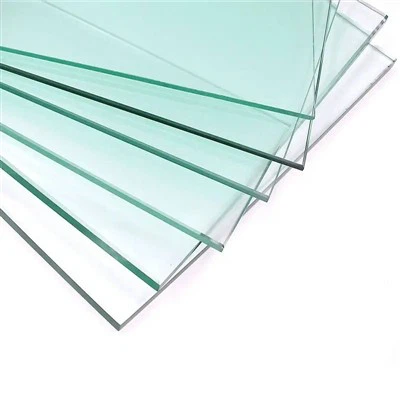
Hey there, museum enthusiasts and curators! As a supplier of tempered glass, I've seen firsthand the amazing benefits it brings to museums. Let's dive into why using tempered glass in museums is a game - changer when it comes to preservation.
1. Protection Against Physical Damage
One of the most obvious benefits of using tempered glass in museums is its high resistance to physical damage. Regular glass is quite fragile. A small impact can cause it to shatter into large, sharp pieces, which is not only dangerous but can also damage the precious artifacts on display.
Tempered glass, on the other hand, is heat - treated to make it much stronger. It can withstand more force without breaking. When it does break, it shatters into small, relatively harmless pieces. This is crucial in a museum setting where there are a lot of visitors. There's always a risk of accidental bumps or knocks, and tempered glass provides an extra layer of protection for the exhibits.
For example, in a busy museum gallery, people might be jostling around, and a careless movement could result in an object hitting the display case. If the case is made of tempered glass, it's far less likely to break and damage the artifact inside. You can check out our Tempered Glass Panels for more information on the types of glass we offer that can provide this kind of protection.
2. UV Protection
Exposure to ultraviolet (UV) light can cause significant damage to museum artifacts over time. UV rays can fade colors, degrade materials, and cause structural changes in objects. Paintings, textiles, and paper - based artifacts are particularly vulnerable.
Tempered glass can be treated to block a large percentage of UV rays. This helps to preserve the integrity and appearance of the artifacts on display. By reducing the amount of UV light that reaches the exhibits, we can slow down the aging process and keep the artifacts looking as close to their original state as possible.
Many of our tempered glass products are designed with advanced UV - blocking technology. This means that museums can display their precious items without having to worry as much about the long - term effects of UV exposure. It's like giving your artifacts a sunblock!
3. Climate Control
Museums need to maintain a stable climate to preserve their collections. Temperature and humidity fluctuations can cause materials to expand and contract, leading to cracks, warping, and other forms of damage.
Tempered glass can play a role in climate control. It can act as a barrier, helping to keep the internal environment of the display case more stable. This is especially important for artifacts that are sensitive to changes in temperature and humidity.
For instance, if a museum is in a location with a lot of temperature variations throughout the day, the tempered glass can help to insulate the display case and reduce the impact of these changes on the artifacts. It can also prevent moisture from seeping in, which is crucial for preventing mold growth and other moisture - related issues.
4. Aesthetic Appeal
In addition to its practical benefits, tempered glass also offers great aesthetic appeal. It has a clear, sleek appearance that doesn't distract from the exhibits. It allows visitors to view the artifacts without any distortion, providing a clear and unobstructed view.
This is important for creating an engaging and immersive museum experience. When visitors can see the artifacts clearly, they can better appreciate their details and beauty. And let's face it, a well - presented exhibit is more likely to attract and hold the attention of museum - goers.
Our tempered glass panels are available in different finishes and thicknesses, so museums can choose the option that best suits their display needs and aesthetic preferences. Whether it's a modern, minimalist look or a more traditional style, tempered glass can be customized to fit the overall design of the museum.
5. Long - Term Cost - Effectiveness
While tempered glass may have a higher upfront cost compared to regular glass, it offers long - term cost savings. Because it is more durable and resistant to damage, it doesn't need to be replaced as often. This means fewer expenses on repairs and replacements over time.


In addition, the protection it provides for the artifacts can save museums from the potentially high costs associated with restoring damaged items. By investing in tempered glass, museums can make a smart financial decision that pays off in the long run.
6. Safety Considerations
Safety is a top priority in museums. In the event of an earthquake, fire, or other emergencies, tempered glass can help to protect both the artifacts and the visitors. Its shatter - resistant properties mean that it is less likely to cause injuries if it breaks.
This is especially important in public spaces like museums, where there are large numbers of people. By using tempered glass, museums can create a safer environment for everyone.
How to Choose the Right Tempered Glass
When choosing tempered glass for a museum, there are a few things to consider. First, you need to think about the specific needs of the artifacts. For example, if you're displaying a valuable painting, you'll want a glass that offers high - level UV protection.
You also need to consider the size and shape of the display cases. Our team can work with you to customize the tempered glass panels to fit your exact requirements. We can provide different sizes, thicknesses, and finishes to ensure that the glass meets your needs both functionally and aesthetically.
Conclusion
In conclusion, the preservation benefits of using tempered glass in museums are numerous. From protecting against physical damage and UV rays to providing climate control and aesthetic appeal, tempered glass is an excellent choice for museums looking to preserve their collections.
If you're a museum curator or someone involved in museum design and preservation, I encourage you to consider using tempered glass for your displays. Our company is a leading supplier of high - quality tempered glass, and we'd be more than happy to discuss your specific needs and provide you with a customized solution.
Whether you're looking to protect a single precious artifact or outfit an entire museum, we have the expertise and products to help you. Contact us today to start a conversation about how our Tempered Glass Panels can enhance the preservation and display of your museum's collection.
References
- "The Conservation of Museum Objects" by R. L. Feller
- "Museum Environment Handbook" by T. M. Brommelle