


Hey there! As a supplier of tactile tiles, I often get asked about the installation guidelines for these tiles on curved surfaces. It's a bit of a tricky topic, but I'm here to break it down for you in a way that's easy to understand.
First off, let's talk about what tactile tiles are and why they're important. Tactile tiles are specially designed tiles that provide tactile cues for people with visual impairments. They're used in public spaces like sidewalks, train stations, and airports to help guide people safely. These tiles come in various materials, including Ceramic Tactile Tiles, Stainless Tactile Indicators, and Plastic Tactile Indicators.
Now, when it comes to installing tactile tiles on curved surfaces, there are a few key things to keep in mind.
Surface Preparation
The first step is to prepare the curved surface. This is crucial because a poorly prepared surface can lead to the tiles not adhering properly or looking uneven.
- Clean the Surface: Start by thoroughly cleaning the curved surface. Remove any dirt, dust, grease, or debris. You can use a pressure washer or a strong detergent solution for this. Make sure the surface is completely dry before moving on to the next step.
- Inspect for Damage: Check the surface for any cracks, holes, or other damage. If you find any, you'll need to repair them. For small cracks, you can use a suitable filler. Larger damage might require more extensive repair work.
- Smooth the Surface: If the surface is rough, it's a good idea to sand it down to create a smooth base. This will help the adhesive bond better with the surface and the tiles.
Choosing the Right Tiles
Not all tactile tiles are suitable for curved surfaces. You need to choose tiles that are flexible enough to conform to the curve without cracking or breaking.
- Material Matters: Plastic tactile indicators are often a good choice for curved surfaces because they are more flexible compared to ceramic or stainless steel. However, if you prefer the look and durability of ceramic or stainless steel, you can still use them, but you'll need to be more careful during installation.
- Tile Size: Smaller tiles are generally easier to install on curved surfaces than larger ones. They can be more easily maneuvered and bent to fit the curve.
Adhesive Selection
The right adhesive is essential for a successful installation on curved surfaces.
- Flexible Adhesive: You need an adhesive that can flex with the tiles as they conform to the curve. Look for an adhesive that is specifically designed for use on curved surfaces or for the type of material your tiles are made of.
- Adhesive Strength: Make sure the adhesive has sufficient strength to hold the tiles in place. Consider factors like the weight of the tiles, the location of the installation (e.g., high-traffic areas may require a stronger adhesive), and the environmental conditions.
Installation Process
Now, let's get into the actual installation process.
- Marking the Layout: Before you start applying the adhesive, mark the layout of the tactile tiles on the curved surface. This will help you ensure that the tiles are installed in the correct pattern and alignment. You can use a chalk line or a template for this.
- Applying the Adhesive: Follow the manufacturer's instructions for applying the adhesive. Usually, you'll use a trowel to spread a thin, even layer of adhesive on the surface. Be careful not to apply too much adhesive, as this can cause the tiles to shift during installation.
- Placing the Tiles: Carefully place the tiles on the adhesive, starting at one end of the curved surface. Press the tiles firmly into the adhesive, making sure they are in the correct position. Use a rubber mallet or a tile press to ensure good contact between the tiles and the adhesive.
- Trimming the Tiles: As you work your way along the curve, you may need to trim the tiles to fit. Use a tile cutter or a saw suitable for the type of tile material. Make sure to wear appropriate safety gear when cutting the tiles.
- Checking for Alignment: Periodically check the alignment of the tiles as you install them. Use a level or a straightedge to ensure that the tiles are straight and even. Adjust the position of the tiles if necessary.
Finishing Touches
Once all the tiles are installed, there are a few finishing touches to take care of.
- Grouting: After the adhesive has dried, apply grout between the tiles. Choose a grout that is compatible with the tile material and the environment. Use a grout float to apply the grout, making sure to fill all the gaps evenly. Wipe off any excess grout with a damp sponge.
- Sealing: Depending on the type of tile material, you may need to seal the tiles to protect them from stains and damage. Follow the manufacturer's instructions for sealing the tiles.
Maintenance
Proper maintenance is important to ensure the longevity of the tactile tiles on curved surfaces.
- Regular Cleaning: Clean the tiles regularly using a mild detergent and a soft brush or mop. Avoid using harsh chemicals or abrasive cleaners, as these can damage the tiles.
- Inspection: Periodically inspect the tiles for any signs of damage, such as cracks or loose tiles. If you find any issues, repair them promptly to prevent further damage.
Conclusion
Installing tactile tiles on curved surfaces can be a challenging but rewarding project. By following these installation guidelines, you can ensure a successful installation that provides a safe and functional tactile guide for people with visual impairments.
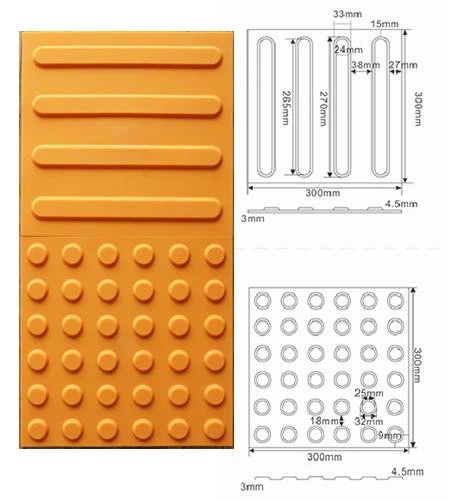

If you're interested in purchasing tactile tiles for your project, whether it's a curved surface or a flat one, I'd love to chat with you. We offer a wide range of high-quality tactile tiles in different materials and styles. Just reach out, and we can discuss your specific needs and requirements.
References
- Building codes and regulations related to tactile tile installation
- Manufacturer's instructions for tactile tiles and adhesives
- Industry best practices for tile installation on curved surfaces


