


When it comes to enhancing the aesthetics and safety of a modern home, indoor glass railing is an excellent choice. As a leading Glass Railing Indoor supplier, I have witnessed firsthand the transformative power of these elegant and functional installations. In this blog post, I will share some of the best practices for installing indoor glass railing in a modern home, ensuring a seamless and successful project.
1. Planning and Design
The first step in any installation project is careful planning and design. Before you begin, it's essential to consider the overall style and layout of your home. Indoor glass railing can complement a variety of architectural styles, from contemporary to traditional, so choose a design that fits your personal taste and the existing decor.
- Measure Twice, Cut Once: Accurate measurements are crucial for a proper fit. Measure the length, height, and width of the area where the railing will be installed, and take into account any obstacles or irregularities. It's also a good idea to measure multiple times to ensure precision.
- Choose the Right Glass: There are several types of glass available for indoor railing, each with its own unique properties and benefits. Tempered glass is a popular choice due to its strength and safety features, while laminated glass offers additional security and noise reduction. Consider the specific needs of your space and choose the glass that best suits your requirements.
- Select the Appropriate Hardware: The hardware used to install the glass railing is just as important as the glass itself. Choose high-quality hardware that is designed to withstand the weight and stress of the glass, and ensure that it is compatible with the type of glass you have selected. Some common types of hardware include posts, brackets, clamps, and connectors.
2. Safety Considerations
Safety should always be a top priority when installing indoor glass railing. Here are some important safety considerations to keep in mind:
- Comply with Building Codes: Before you begin any installation project, it's important to check local building codes and regulations to ensure that your railing meets all safety requirements. Building codes typically specify the minimum height, strength, and spacing of the railing, as well as the type of glass and hardware that can be used.
- Use Safety Glass: As mentioned earlier, tempered or laminated glass is recommended for indoor railing due to its strength and safety features. These types of glass are designed to break into small, dull pieces rather than sharp shards, reducing the risk of injury in the event of a breakage.
- Install Handrails: In addition to the glass railing, it's often required to install handrails for added safety. Handrails provide a secure grip for people using the stairs or balcony, and can help prevent falls. Make sure the handrails are installed at the appropriate height and are securely attached to the railing system.
- Secure the Railing Properly: The glass railing should be securely attached to the floor, wall, or posts to prevent it from tipping or falling. Use the appropriate hardware and installation methods recommended by the manufacturer, and ensure that all connections are tight and secure.
3. Installation Process
Once you have completed the planning and design phase and ensured that all safety considerations are met, it's time to start the installation process. Here are the general steps involved in installing indoor glass railing:
- Prepare the Installation Area: Clean the area where the railing will be installed and remove any debris or obstacles. Make sure the surface is level and smooth, and mark the locations for the posts or brackets.
- Install the Posts or Brackets: Depending on the type of railing system you have chosen, you may need to install posts or brackets first. Follow the manufacturer's instructions carefully to ensure that the posts or brackets are installed at the correct height and spacing, and are securely attached to the floor or wall.
- Install the Glass Panels: Once the posts or brackets are in place, it's time to install the glass panels. Carefully lift the glass panels into position and insert them into the brackets or clamps. Make sure the glass is level and centered, and use shims or spacers if necessary to ensure a proper fit.
- Secure the Glass Panels: Once the glass panels are in place, use the appropriate hardware to secure them to the posts or brackets. This may include screws, bolts, or clips. Make sure the hardware is tightened securely, but be careful not to overtighten and damage the glass.
- Install the Handrails (if required): If handrails are required, install them following the manufacturer's instructions. Make sure the handrails are installed at the appropriate height and are securely attached to the railing system.
- Finish the Installation: Once the glass panels and handrails are installed, clean the glass and remove any fingerprints or smudges. Check the entire railing system to ensure that it is secure and stable, and make any necessary adjustments or repairs.
4. Maintenance and Care
Proper maintenance and care are essential to ensure the longevity and performance of your indoor glass railing. Here are some tips to keep your railing looking its best:
- Clean the Glass Regularly: Use a mild glass cleaner and a soft cloth or sponge to clean the glass panels regularly. Avoid using abrasive cleaners or tools that could scratch the glass.
- Inspect the Hardware: Periodically inspect the hardware used to install the railing to ensure that it is in good condition and securely attached. Tighten any loose screws or bolts as needed.
- Check for Damage: Regularly check the glass panels for any signs of damage, such as cracks or chips. If you notice any damage, contact a professional glass installer immediately to have it repaired or replaced.
- Protect the Glass from Impact: Avoid hitting or striking the glass panels with hard objects, as this could cause them to break. Use furniture pads or protectors to prevent scratches or damage from furniture.
5. Conclusion
Installing indoor glass railing in a modern home can be a rewarding and transformative project. By following these best practices, you can ensure a successful installation that enhances the aesthetics and safety of your home. As a Glass Railing Indoor supplier, I am committed to providing high-quality products and professional installation services to help you achieve your vision.
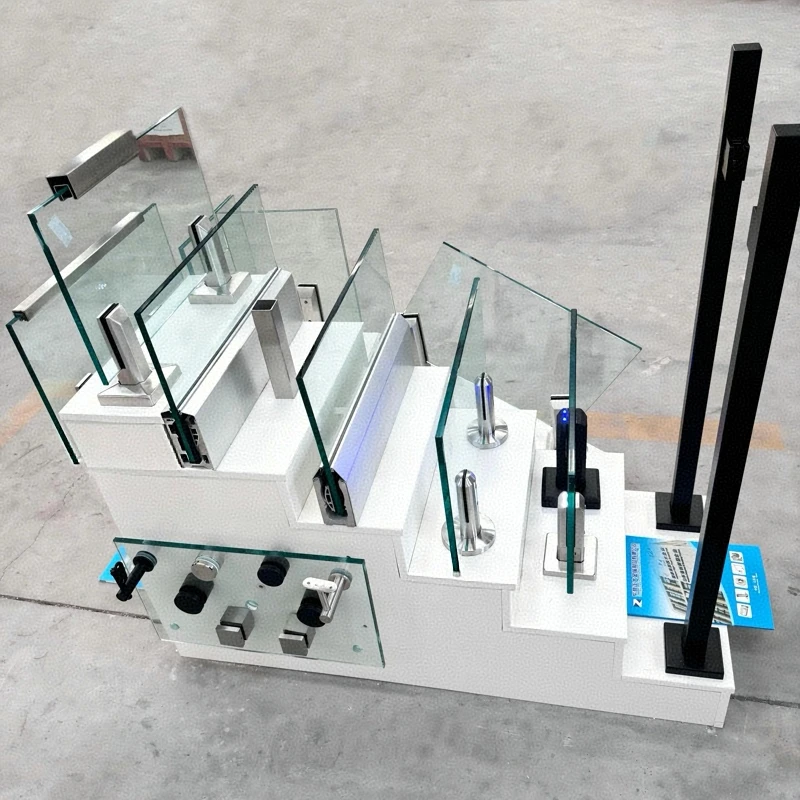

If you are interested in learning more about our indoor glass railing products or would like to discuss a potential project, please visit our website at Glass Railing Indoor. You can also explore our Indoor Glass Stair Railing and Interior Glass Stair Railing options. We look forward to working with you to create the perfect glass railing solution for your home.
References
- American National Standards Institute (ANSI). (2017). Safety Glazing Materials in Buildings: Safety Performance Specifications and Methods of Test. ANSI Z97.1-2017.
- International Building Code (IBC). (2021). International Building Code. International Code Council.
- National Fire Protection Association (NFPA). (2018). Life Safety Code. NFPA 101-2018.


