


Hey there! As a supplier of Glass Railing Indoor, I often get asked about the height requirements for indoor glass railings. It's a crucial topic, as the right height not only ensures safety but also adds to the overall aesthetic of your space. So, let's dive right in and explore what these height requirements are all about.

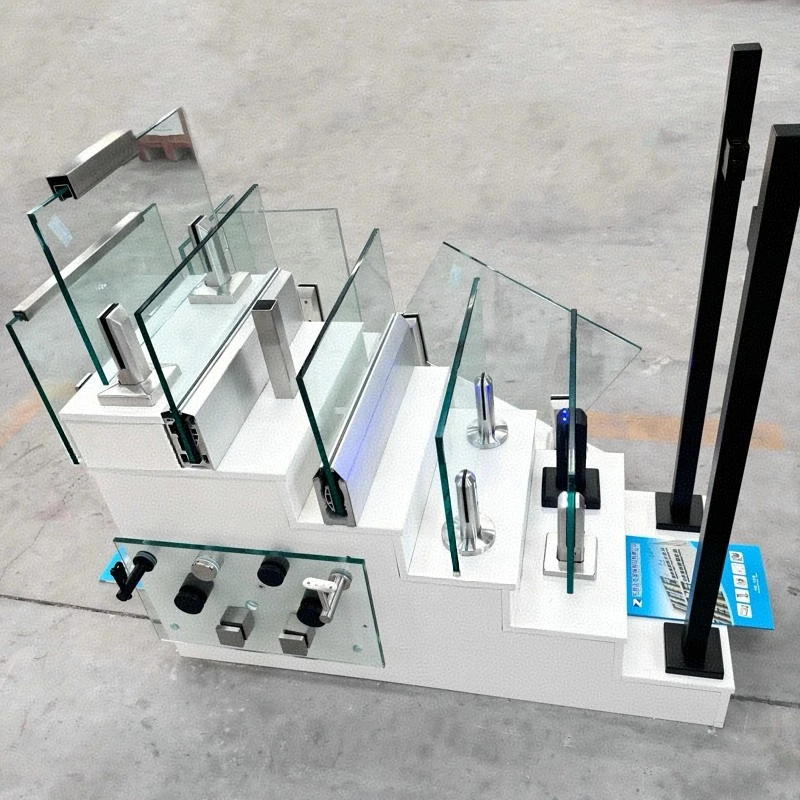
Why Height Matters
First off, why do we even care about the height of indoor glass railings? Well, safety is the number one reason. Railings are there to prevent people from accidentally falling off elevated areas, like stairs or balconies. If the railing is too short, it won't provide adequate protection. On the other hand, if it's too tall, it can make the space feel cramped and less inviting.
In addition to safety, the height of the railing also plays a role in the visual appeal of your interior. A well - chosen railing height can complement the design of your room, making it look more polished and professional.
General Height Guidelines
In most places, there are building codes that specify the minimum height for indoor glass railings. Generally, the minimum height for a railing on a stairway or balcony is around 36 inches (91.44 cm). This measurement is usually taken from the nosing of the stair treads or the finished floor surface to the top of the railing.
However, some areas may have more strict requirements. For example, in some commercial buildings or areas with high foot traffic, the minimum height might be 42 inches (106.68 cm). It's really important to check the local building codes in your area before installing any indoor glass railing. You don't want to end up with a non - compliant railing that could lead to safety issues or legal problems.
Factors Affecting Height Requirements
There are a few factors that can influence the height requirements for indoor glass railings.
Location of the Railing
The location of the railing within the building matters a lot. For instance, railings on a mezzanine or a high - rise balcony may need to be taller than those on a short flight of stairs. This is because the potential fall distance is greater, so more protection is needed.
Type of Building
Whether it's a residential or commercial building also makes a difference. Commercial buildings usually have more stringent safety requirements due to the larger number of people using the space. So, if you're installing indoor glass railings in an office building, a hotel, or a shopping mall, you'll likely need to follow stricter height guidelines.
User Group
If the building is intended for a specific user group, like a daycare center or a senior living facility, the height requirements might be adjusted accordingly. For example, in a daycare center, the railing may need to be taller to prevent small children from climbing over it.
Our Products and Height Compliance
At our company, we understand the importance of meeting the height requirements for indoor glass railings. That's why all our products are designed with safety in mind. We offer a wide range of Tempered Glass Stair Railing, Indoor Glass Stair Railing, and Glass Balusters for Stairs.
Our tempered glass stair railings are made from high - quality tempered glass that is not only strong but also meets all the necessary safety standards. We can customize the height of the railing to meet your specific needs and local building codes. Whether you need a 36 - inch railing for a residential stairway or a 42 - inch railing for a commercial balcony, we've got you covered.
Installation Considerations
When it comes to installing indoor glass railings, getting the height right is just as important as choosing the right product. Here are a few things to keep in mind during the installation process.
Accurate Measurement
Before installation, make sure to measure the area accurately. Use a reliable measuring tape and double - check your measurements. Any small error in measurement can result in a railing that doesn't meet the height requirements.
Professional Installation
It's always a good idea to hire a professional installer. They have the experience and tools to ensure that the railing is installed correctly and at the right height. A professional installer will also be familiar with the local building codes and can make sure that the installation is compliant.
Conclusion
In conclusion, the height requirements for indoor glass railings are an important aspect of safety and design. By understanding the general guidelines, considering the factors that affect height, and choosing a reliable supplier like us, you can ensure that your indoor glass railing is both safe and stylish.
If you're in the market for indoor glass railings, we'd love to talk to you. Whether you're a homeowner looking to upgrade your staircase or a commercial developer working on a new project, we have the products and expertise to meet your needs. Feel free to reach out to us to discuss your requirements and get a quote.
References
- International Building Code (IBC)
- Local building department regulations


