


Tactile strips, also known as tactile ground surface indicators (TGSIs), play a crucial role in enhancing the safety and mobility of visually impaired and other vulnerable individuals. As a supplier of tactile strips, I am acutely aware of the significance of these products in public spaces, transportation hubs, and buildings. However, it is equally important to understand the environmental impacts associated with their manufacturing. This blog post aims to delve into the various environmental aspects related to the production of tactile strips, exploring both the challenges and potential solutions.
Material Sourcing and Extraction
The first stage in the manufacturing of tactile strips involves sourcing raw materials. The most common materials used for tactile strips include stainless steel, aluminum, and polymers. Each of these materials has its own environmental footprint, starting from the extraction process.
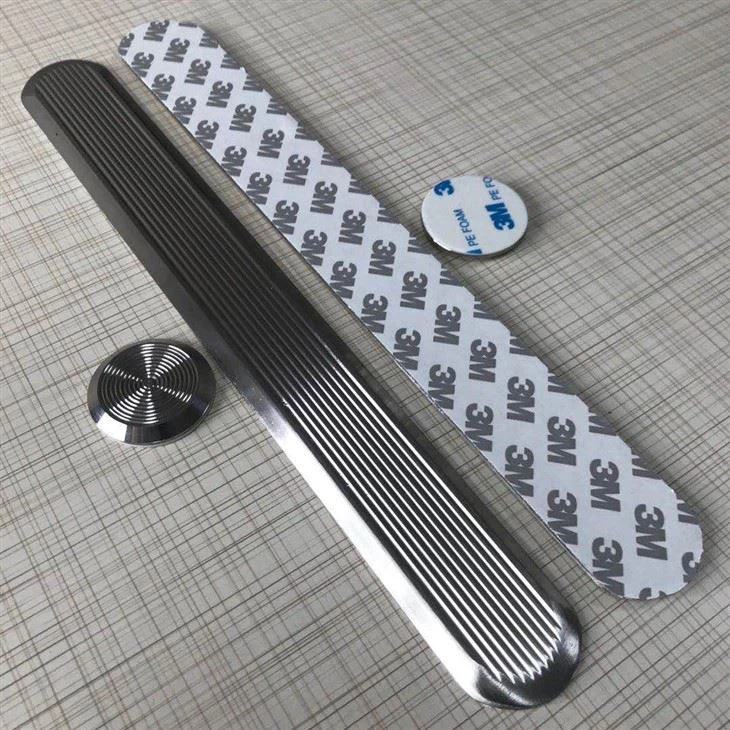
Stainless steel is a popular choice for tactile strips due to its durability and corrosion resistance. However, the production of stainless steel is energy - intensive and involves the extraction of iron ore, chromium, and nickel. Mining these minerals can lead to significant environmental degradation, such as deforestation, soil erosion, and water pollution. The extraction process also releases large amounts of greenhouse gases, contributing to climate change. For more information on Stainless Steel Tactile Strips, you can visit our website.
Aluminum is another widely used material for tactile strips. It is lightweight and has good corrosion resistance. The extraction of aluminum from bauxite ore requires a large amount of energy, mainly in the form of electricity. The mining of bauxite can also cause environmental damage, including habitat destruction and water contamination.
Polymers, such as PVC (polyvinyl chloride) and rubber, are often used for their flexibility and ease of installation. However, the production of polymers involves the use of fossil fuels, and the manufacturing process can release toxic chemicals into the environment. Additionally, polymers are not easily biodegradable, which can lead to long - term waste management issues.
Manufacturing Processes
Once the raw materials are sourced, they undergo various manufacturing processes to produce tactile strips. These processes can also have significant environmental impacts.
For metal tactile strips, processes such as casting, forging, and machining are commonly used. Casting involves melting the metal and pouring it into a mold. This process requires a large amount of energy to heat the metal to its melting point. Machining, on the other hand, involves cutting and shaping the metal using tools, which generates waste materials and consumes energy.
In the case of polymer tactile strips, extrusion and injection molding are the primary manufacturing methods. Extrusion involves forcing the polymer through a die to create a continuous shape, while injection molding involves injecting the molten polymer into a mold. Both processes require energy to heat and process the polymer, and they can also generate waste in the form of scrap polymer.
The use of chemicals in the manufacturing process is another environmental concern. For example, in the surface treatment of metal tactile strips, chemicals such as acids and solvents are used for cleaning and coating. These chemicals can be hazardous to the environment and human health if not properly managed.
Energy Consumption
Energy consumption is a major environmental impact associated with the manufacturing of tactile strips. As mentioned earlier, the extraction of raw materials, the melting of metals, and the processing of polymers all require a significant amount of energy. Most of this energy is derived from non - renewable sources such as coal, oil, and natural gas, which contribute to greenhouse gas emissions and climate change.
To reduce energy consumption, manufacturers can adopt more energy - efficient technologies and processes. For example, using advanced furnaces with better insulation can reduce the amount of energy needed for melting metals. Additionally, investing in renewable energy sources, such as solar or wind power, can help to offset the energy consumption associated with manufacturing.
Waste Generation
The manufacturing of tactile strips generates various types of waste, including scrap metal, polymer waste, and chemical waste. Scrap metal can be recycled, which reduces the need for new raw materials and the associated environmental impacts. However, not all scrap metal is recycled, and some may end up in landfills.
Polymer waste is a particular concern due to its non - biodegradable nature. If not properly managed, polymer waste can accumulate in landfills and take hundreds of years to decompose. Recycling polymer waste is more challenging than recycling metal, as different types of polymers need to be separated and processed using specific methods.
Chemical waste generated during the manufacturing process can be highly toxic and pose a significant risk to the environment and human health. Proper disposal of chemical waste is essential to prevent contamination of soil, water, and air.

Packaging and Transportation
Once the tactile strips are manufactured, they need to be packaged and transported to customers. Packaging materials, such as cardboard boxes, plastic wraps, and foam inserts, contribute to waste generation. Excessive packaging can also increase the environmental impact. To reduce packaging waste, manufacturers can use eco - friendly packaging materials, such as biodegradable or recyclable materials.
Transportation of tactile strips also has an environmental impact, mainly due to the emissions of greenhouse gases from vehicles. Choosing more fuel - efficient transportation methods, such as rail or sea freight instead of road transport for long - distance shipments, can help to reduce the carbon footprint.
Potential Solutions
Despite the environmental challenges associated with the manufacturing of tactile strips, there are several potential solutions that can help to minimize the environmental impacts.
- Sustainable Material Sourcing: Manufacturers can source raw materials from sustainable suppliers who follow responsible mining and extraction practices. For example, using recycled metals can significantly reduce the environmental impact associated with mining.
- Process Optimization: By optimizing manufacturing processes, energy consumption and waste generation can be reduced. This can include using more efficient machinery, improving production layouts, and implementing quality control measures to reduce scrap rates.
- Recycling and Reuse: Encouraging the recycling and reuse of tactile strips at the end of their life cycle can help to close the material loop. Manufacturers can also design products that are easier to disassemble and recycle.
- Green Certification: Obtaining green certifications, such as ISO 14001 (Environmental Management System), can demonstrate a commitment to environmental sustainability and help to drive continuous improvement in environmental performance.
Conclusion
As a supplier of tactile strips, I recognize the importance of addressing the environmental impacts associated with our products. While the manufacturing of tactile strips presents several environmental challenges, there are also many opportunities to minimize these impacts through sustainable practices. By working together with suppliers, customers, and other stakeholders, we can strive to create a more sustainable future for tactile strip manufacturing.
If you are interested in learning more about our Tactile Ground Surface Indicators Bunnings or Tactile Warning Strips For Stairs, or if you have any questions regarding our products' environmental performance, please feel free to contact us. We are always ready to engage in discussions and negotiate procurement deals to meet your specific needs.
References
- Smith, J. (2020). Environmental Impacts of Metal Manufacturing. Journal of Sustainable Manufacturing, 15(2), 45 - 56.
- Johnson, A. (2019). Polymer Waste Management: Challenges and Solutions. Environmental Science Review, 22(3), 78 - 89.
- Brown, C. (2021). Sustainable Packaging Solutions for the Manufacturing Industry. Packaging Journal, 30(1), 12 - 20.


