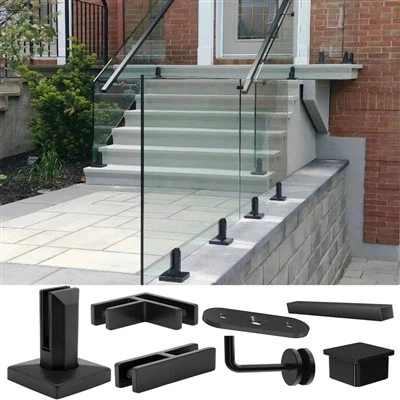
As a seasoned tempered glass supplier, I've witnessed firsthand the widespread popularity of tempered glass in various industries. Its exceptional strength, safety features, and aesthetic appeal have made it a go-to choice for architects, interior designers, and homeowners alike. However, like any material, tempered glass is not without its drawbacks. In this blog post, I'll delve into the disadvantages of tempered glass, providing you with a comprehensive understanding of its limitations.
1. Spontaneous Breakage
One of the most significant disadvantages of tempered glass is its potential for spontaneous breakage. Despite its enhanced strength, tempered glass can shatter unexpectedly due to a phenomenon known as nickel sulfide (NiS) inclusions. NiS is a microscopic impurity that can form during the manufacturing process. Over time, these inclusions can undergo a phase change, causing internal stress within the glass. When this stress exceeds the glass's threshold, it can lead to sudden and explosive breakage.
Spontaneous breakage is a rare occurrence, but it can have serious consequences, especially in applications where safety is a concern. For example, in architectural glass installations, a sudden breakage can pose a risk to pedestrians and occupants. To mitigate this risk, manufacturers often conduct quality control measures, such as heat soaking, to identify and remove glass panels with potential NiS inclusions. However, these measures are not foolproof, and there is still a small chance of spontaneous breakage occurring.
2. Limited Repairability
Unlike regular glass, tempered glass cannot be repaired once it is damaged. When tempered glass breaks, it shatters into small, blunt pieces, a characteristic known as "dicing." This is a safety feature designed to reduce the risk of injury from sharp glass shards. However, it also means that once tempered glass is broken, it must be completely replaced.
The inability to repair tempered glass can be a significant drawback, especially in applications where replacement is costly or time-consuming. For example, in automotive windshields, a small crack or chip in regular glass can often be repaired, but a similar damage in tempered glass would require the entire windshield to be replaced. This can result in higher maintenance costs and longer downtime for the vehicle.
3. High Manufacturing Cost
Tempered glass is more expensive to manufacture than regular glass due to the additional processing steps involved. The tempering process requires heating the glass to a high temperature and then rapidly cooling it, which requires specialized equipment and skilled labor. This increases the production cost of tempered glass, making it more expensive than regular glass.
The high manufacturing cost of tempered glass can be a deterrent for some customers, especially in price-sensitive markets. However, it's important to note that the benefits of tempered glass, such as its strength and safety features, often justify the higher cost. In many applications, the additional cost of tempered glass is a worthwhile investment to ensure the safety and durability of the product.
4. Size and Thickness Limitations
Tempered glass has limitations in terms of size and thickness. The tempering process can cause the glass to warp or distort if it is too large or thick. As a result, manufacturers typically have limits on the maximum size and thickness of tempered glass panels they can produce.


These size and thickness limitations can be a drawback in applications where large or thick glass panels are required. For example, in large architectural facades or industrial applications, the size limitations of tempered glass may require the use of multiple panels, which can increase the complexity and cost of the installation. Additionally, the thickness limitations of tempered glass may not be suitable for applications that require high levels of strength or insulation.
5. Difficulty in Cutting and Shaping
Once tempered glass is manufactured, it cannot be cut or shaped. The tempering process creates internal stress within the glass, which makes it extremely brittle. Any attempt to cut or shape tempered glass will cause it to shatter.
This difficulty in cutting and shaping tempered glass can be a limitation in applications where custom sizes or shapes are required. For example, in interior design, a designer may want to create a unique glass feature with a specific shape or size. However, if the glass is tempered, it may not be possible to achieve the desired design without using multiple panels or compromising on the design.
6. Reduced Transparency and Clarity
Tempered glass may have slightly reduced transparency and clarity compared to regular glass. The tempering process can cause the glass to develop a slight distortion or "bowing," which can affect its optical properties. Additionally, the surface of tempered glass may have a slightly different texture than regular glass, which can also affect its transparency and clarity.
The reduced transparency and clarity of tempered glass may not be noticeable in some applications, but it can be a concern in applications where optical quality is important. For example, in display cases or museum exhibits, the clarity of the glass is crucial to showcase the objects inside. In these applications, the reduced transparency and clarity of tempered glass may not be acceptable.
7. Environmental Impact
The manufacturing process of tempered glass has a higher environmental impact than regular glass. The tempering process requires a significant amount of energy to heat the glass to a high temperature and then rapidly cool it. This energy consumption contributes to greenhouse gas emissions and other environmental pollutants.
In addition, the high manufacturing cost of tempered glass means that it is often more expensive to produce, which can lead to increased waste if the glass is not used efficiently. For example, if a customer orders a large quantity of tempered glass but only uses a small portion of it, the remaining glass may be discarded, contributing to landfill waste.
Conclusion
While tempered glass offers many benefits, such as its strength and safety features, it also has several disadvantages. These include spontaneous breakage, limited repairability, high manufacturing cost, size and thickness limitations, difficulty in cutting and shaping, reduced transparency and clarity, and environmental impact.
As a tempered glass supplier, I understand the importance of providing our customers with accurate information about the advantages and disadvantages of tempered glass. By being aware of these limitations, customers can make informed decisions about whether tempered glass is the right choice for their specific application.
If you're considering using tempered glass in your project, I encourage you to contact us to discuss your requirements. Our team of experts can provide you with more information about tempered glass and help you determine the best solution for your needs. We offer a wide range of Tempered Glass Panels in various sizes, thicknesses, and finishes to meet your specific requirements. Contact us today to start the conversation and explore the possibilities of using tempered glass in your project.
References
- ASTM International. (2017). Standard Specification for Heat-Treated Flat Glass - Kind HS, Kind FT. ASTM C1048 - 17.
- Glass Association of North America. (2019). Understanding Tempered Glass.
- National Fenestration Rating Council. (2020). Energy Performance of Windows, Doors, and Skylights.