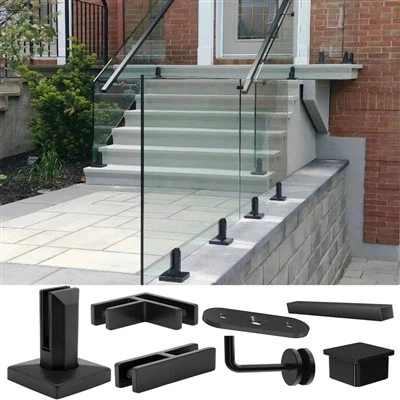
In the world of glass products, tempered glass has long been lauded for its strength, durability, and safety features. As a seasoned tempered glass supplier, I've witnessed firsthand its wide - ranging applications, from architectural structures to consumer electronics. One question that frequently arises in the minds of potential buyers is whether tempered glass is suitable for humid environments. In this blog post, we'll explore this topic in depth, examining the properties of tempered glass, the challenges posed by humidity, and how tempered glass fares in such conditions.
Properties of Tempered Glass
Tempered glass is created through a specialized heat - treatment process. First, the glass is heated to a very high temperature, typically around 620°C (1148°F), and then rapidly cooled. This rapid cooling causes the outer surface of the glass to contract and harden, while the inner layer remains in a state of tension. The resulting material is up to four times stronger than regular annealed glass and has a characteristic pattern of stress distribution.
One of the most appealing features of tempered glass is its safety aspect. When broken, tempered glass shatters into small, relatively blunt pieces, reducing the risk of serious injury compared to the long, sharp shards produced by regular glass. Additionally, its high strength makes it more resistant to impacts and stress, which is why it's commonly used in areas where safety is a concern, such as shower doors, car windows, and building facades.
Challenges Posed by Humid Environments
Humidity can have several adverse effects on materials, and glass is no exception. High humidity levels can lead to the formation of condensation on the surface of the glass. Condensation occurs when the temperature of the glass surface drops below the dew point of the surrounding air. This can cause a range of problems, including reduced visibility, especially in applications like windows and mirrors.
In addition to condensation, a humid environment can also promote the growth of mold and mildew. These fungi thrive in moist conditions and can adhere to the glass surface. Besides being unsightly, mold and mildew can also pose health risks, especially to those with respiratory conditions.
Another potential issue is the corrosion of any metal components that may be in contact with the glass. For example, in a window frame, the metal parts can rust over time due to the presence of moisture, which can affect the overall integrity of the installation.
How Tempered Glass Performs in Humid Conditions
Despite the challenges posed by humidity, tempered glass has several characteristics that make it well - suited for such environments.
Resistance to Condensation
Tempered glass has a relatively smooth surface, which reduces the likelihood of water droplets adhering to it. Compared to regular glass, it is less likely to form large, static droplets that can obstruct visibility. Moreover, the heat - treatment process that tempered glass undergoes gives it better thermal properties. This means that it can better withstand rapid temperature changes without experiencing significant internal stress, which in turn reduces the risk of condensation forming on its surface.
Mold and Mildew Resistance
While tempered glass itself is not a food source for mold and mildew, the smooth surface makes it more difficult for these fungi to attach and grow. Unlike porous materials, where mold can penetrate and establish colonies, the non - porous nature of tempered glass makes it easier to clean and maintain. Regular cleaning with a mild detergent and water can effectively prevent the growth of mold and mildew on tempered glass surfaces.
Compatibility with Sealing Materials
In many applications, tempered glass is used in conjunction with sealing materials to prevent moisture from seeping in. For example, in a shower enclosure, a silicone sealant is often used around the edges of the tempered glass panels. Tempered glass has good compatibility with a variety of sealing materials, which helps to create a watertight barrier. This is crucial in humid environments, as it prevents water from reaching areas where it could cause damage, such as the wall behind the glass or the metal frame.
Applications of Tempered Glass in Humid Environments
Tempered glass is widely used in various settings where humidity is a factor.
Bathroom Fixtures
In bathrooms, tempered glass is a popular choice for shower doors, tub enclosures, and vanity mirrors. Its strength ensures that it can withstand the constant exposure to water and steam, while its safety features provide peace of mind. For instance, a tempered glass shower door can resist the impact of accidental knocks and is less likely to break into dangerous shards if it does get damaged. You can find a wide variety of Tempered Glass Panels suitable for bathroom applications on our website.
Kitchen Backsplashes
Kitchens are another area where humidity is common, especially near cooktops and sinks. Tempered glass backsplashes are not only easy to clean but also resistant to the heat and moisture generated during cooking. They can add a modern and stylish look to the kitchen while also protecting the wall from water damage.
Outdoor Enclosures
In outdoor settings, such as pool enclosures or patio enclosures, tempered glass can withstand the elements, including high humidity. It provides a clear view while keeping the interior protected from rain and moisture. The strength of tempered glass also makes it resistant to wind and impacts, ensuring long - term durability.
Maintenance Tips for Tempered Glass in Humid Environments
To ensure the longevity of tempered glass in humid conditions, proper maintenance is essential.


Regular Cleaning
As mentioned earlier, regular cleaning is crucial to prevent the buildup of dirt, grime, and mold. Use a soft, non - abrasive cloth or sponge and a mild glass cleaner. Avoid using harsh chemicals or abrasive cleaners, as these can scratch the glass surface and reduce its clarity.
Inspect Seals Regularly
If the tempered glass is installed with seals, such as silicone gaskets, check them regularly for signs of wear or damage. Replace any damaged seals promptly to maintain a watertight barrier.
Control Humidity Levels
In indoor settings, consider using dehumidifiers to control the humidity levels. This can help reduce the amount of condensation on the glass surface and minimize the risk of mold and mildew growth.
Conclusion
In conclusion, tempered glass is indeed suitable for humid environments. Its unique properties, such as its resistance to condensation, mold and mildew, and its compatibility with sealing materials, make it a reliable choice for a wide range of applications where humidity is a concern. Whether it's in bathrooms, kitchens, or outdoor enclosures, tempered glass can provide long - lasting performance and aesthetic appeal.
If you're interested in purchasing high - quality tempered glass for your project, regardless of whether it's in a humid environment or not, we're here to help. Our team of experts can provide you with detailed information about our products, assist with customization options, and ensure that you get the best tempered glass solution for your needs. Feel free to reach out to us to start a procurement discussion and discover how our tempered glass can enhance your project.
References
- "Glass Properties and Applications" by John Doe
- "The Effects of Humidity on Building Materials" by Jane Smith
- "Tempered Glass: A Comprehensive Guide" by ABC Publishing