As a trusted stainless steel pipe supplier, I understand the critical importance of ensuring the quality of our products. Stainless steel pipes are used in a wide range of industries, from construction and automotive to food processing and pharmaceuticals. Therefore, it's essential to have reliable methods to test their quality. In this blog, I'll share some effective ways to test the quality of stainless steel pipes.
Visual Inspection
The first step in assessing the quality of stainless steel pipes is a visual inspection. This is a simple yet crucial process that can reveal obvious defects. Start by examining the surface of the pipe. Look for scratches, dents, pits, or any signs of corrosion. A smooth and uniform surface is a good indication of high - quality stainless steel.
Check the pipe's ends. They should be cut cleanly and squarely. Any irregularities in the end cuts can lead to problems during installation, such as poor fitting or leaks. Also, look for any visible signs of welding defects if the pipe is a welded one. These could include cracks, porosity, or uneven weld beads.
Dimensional Inspection
Accurate dimensions are vital for stainless steel pipes, as they need to fit precisely into the intended applications. Use precision measuring tools like calipers, micrometers, and rulers to check the outer diameter (OD), inner diameter (ID), and wall thickness of the pipe.
The outer diameter should be within the specified tolerance range. A deviation from the standard OD can cause issues with connections and compatibility. Similarly, the inner diameter affects the flow capacity of the pipe, so it must be accurate. The wall thickness is also a critical parameter, as it determines the pipe's strength and durability.
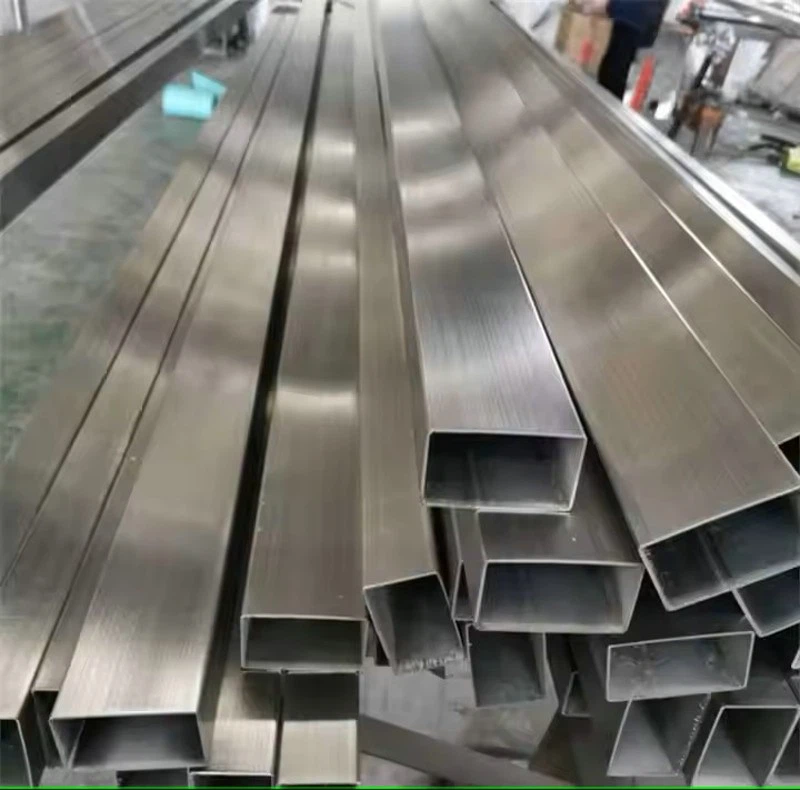
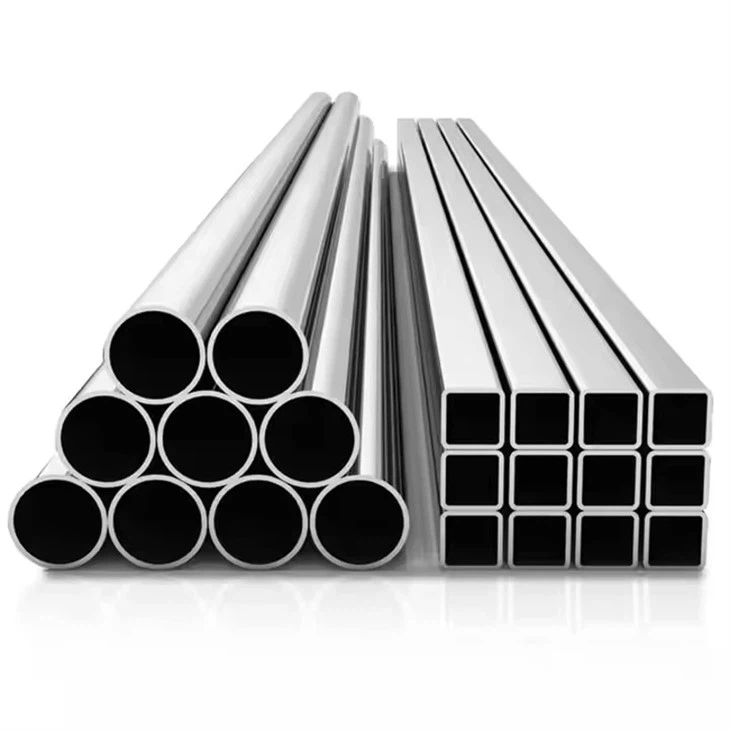
For example, if you're dealing with a Stainless Steel Round Tube, a consistent wall thickness around the circumference is necessary for uniform performance. Measure at multiple points along the length and around the circumference of the pipe to ensure accuracy.
Chemical Composition Analysis
The chemical composition of stainless steel plays a significant role in its properties, such as corrosion resistance, strength, and ductility. There are several methods to analyze the chemical composition of stainless steel pipes.
One common method is the use of a handheld X - ray fluorescence (XRF) analyzer. This device can quickly and non - destructively determine the elemental composition of the stainless steel. It emits X - rays that interact with the atoms in the pipe, and by measuring the fluorescence emitted, the analyzer can identify and quantify the different elements present, such as chromium, nickel, and molybdenum.
Another method is wet chemical analysis, which involves dissolving a small sample of the stainless steel in appropriate chemicals and then analyzing the resulting solution using various techniques. This method is more accurate but is also more time - consuming and destructive.
For instance, in 316 Stainless Steel Tube, the presence of molybdenum is crucial for its enhanced corrosion resistance in harsh environments. By analyzing the chemical composition, you can ensure that the pipe meets the required standards.
Mechanical Testing
Mechanical testing is used to evaluate the strength and other mechanical properties of stainless steel pipes. Tensile testing is one of the most common mechanical tests. In this test, a sample of the pipe is subjected to a gradually increasing tensile force until it breaks. The test measures the ultimate tensile strength, yield strength, and elongation of the stainless steel.
The ultimate tensile strength indicates the maximum stress the pipe can withstand before breaking, while the yield strength is the stress at which the pipe begins to deform plastically. Elongation measures the amount of stretching the pipe can undergo before failure. These properties are important for applications where the pipe will be subjected to high - stress conditions.
Another mechanical test is the hardness test. Hardness is a measure of the pipe's resistance to indentation or scratching. There are different hardness testing methods, such as the Brinell, Rockwell, and Vickers tests. A higher hardness generally indicates better wear resistance and strength.
Pressure Testing
Since many stainless steel pipes are used in applications where they need to carry fluids or gases under pressure, pressure testing is essential. There are two main types of pressure tests: hydrostatic testing and pneumatic testing.
Hydrostatic testing involves filling the pipe with water and then pressurizing it to a specified level for a certain period. During this time, the pipe is inspected for any signs of leaks or deformation. This test is relatively safe and can detect small leaks effectively.
Pneumatic testing, on the other hand, uses air or another gas to pressurize the pipe. It is more sensitive to small leaks than hydrostatic testing but is also more dangerous because of the potential for a sudden and violent release of energy if a rupture occurs. Therefore, strict safety precautions must be taken when conducting pneumatic tests.
Non - Destructive Testing (NDT)
Non - destructive testing methods are used to detect internal defects in stainless steel pipes without damaging them. Ultrasonic testing (UT) is a widely used NDT method. It uses high - frequency sound waves to detect flaws such as cracks, porosity, or inclusions inside the pipe. The sound waves are transmitted into the pipe, and any reflections or changes in the wave pattern indicate the presence of a defect.
Magnetic particle testing (MT) is another NDT method suitable for ferromagnetic stainless steels. It involves applying a magnetic field to the pipe and then sprinkling magnetic particles on the surface. If there is a surface or near - surface defect, the magnetic field will be distorted, and the magnetic particles will accumulate at the defect site, making it visible.
Radiographic testing (RT) uses X - rays or gamma rays to create an image of the internal structure of the pipe. This method can detect internal defects such as cracks, voids, and inclusions. However, it requires special equipment and strict safety measures due to the radiation hazard.
Corrosion Resistance Testing
Stainless steel is known for its corrosion resistance, but the actual performance can vary depending on the environment and the specific grade of stainless steel. Salt spray testing is a common method to evaluate the corrosion resistance of stainless steel pipes. In this test, the pipe sample is exposed to a salt - fog environment for a specified period, and then the degree of corrosion is evaluated.
Another method is immersion testing, where the pipe is immersed in a corrosive solution for a certain time. The weight loss of the sample and the appearance of corrosion products are measured to assess the corrosion resistance.
For 304 Stainless Steel Pipe, which is commonly used in many general - purpose applications, ensuring good corrosion resistance is essential for its long - term performance.
In conclusion, testing the quality of stainless steel pipes is a comprehensive process that involves multiple methods. By conducting these tests, we can ensure that our products meet the highest standards of quality and performance. If you're in the market for high - quality stainless steel pipes, we're here to provide you with the best products. Contact us to discuss your specific requirements and start a procurement negotiation.
References
- ASME Boiler and Pressure Vessel Code
- ASTM International Standards for Stainless Steel Pipes
- ISO Standards related to Stainless Steel Products