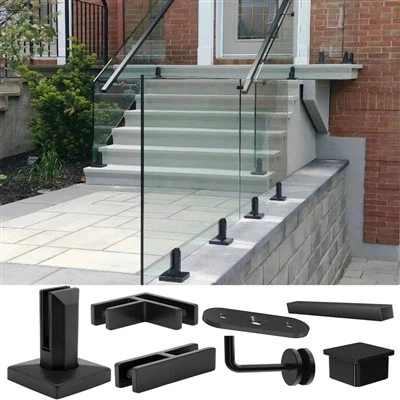
As a seasoned glass clamp supplier, I've witnessed firsthand the critical role that clamping force plays in the performance and safety of glass installations. Whether it's for a modern staircase railing, a sleek glass partition, or a stunning balcony balustrade, ensuring that your glass clamps have sufficient clamping force is paramount. In this blog post, I'll share some practical tips and insights on how to improve the clamping force of a glass clamp, drawing on my years of experience in the industry.


Understanding the Basics of Clamping Force
Before we dive into the strategies for improving clamping force, it's important to understand what clamping force is and how it works. Clamping force refers to the amount of pressure applied by a clamp to hold two or more objects together. In the case of glass clamps, the clamping force is used to secure the glass panels in place, preventing them from shifting or falling.
The clamping force of a glass clamp is determined by several factors, including the design of the clamp, the material it's made from, and the installation method. A well-designed clamp will distribute the clamping force evenly across the glass surface, minimizing the risk of damage to the glass. The material of the clamp also plays a crucial role, as it needs to be strong enough to withstand the forces applied during installation and use.
Choosing the Right Clamp Design
One of the most effective ways to improve the clamping force of a glass clamp is to choose the right design. There are several different types of glass clamps available on the market, each with its own unique features and benefits. Here are some factors to consider when selecting a clamp design:
- Type of Glass: The type of glass you're using will have a significant impact on the clamp design you choose. For example, tempered glass is stronger and more resistant to breakage than annealed glass, so it can withstand higher clamping forces. On the other hand, laminated glass is more flexible and may require a clamp design that can accommodate some movement.
- Installation Method: The installation method you're using will also influence the clamp design. Some clamps are designed for surface mounting, while others are intended for edge mounting. Surface-mounted clamps are typically easier to install and provide a more secure hold, while edge-mounted clamps are better suited for applications where the glass needs to be flush with the surrounding surface.
- Load Requirements: The load requirements of your glass installation will determine the amount of clamping force needed. If you're installing a large or heavy glass panel, you'll need a clamp that can provide sufficient clamping force to hold it in place. Consider the weight of the glass, as well as any additional loads that may be applied, such as wind or seismic forces.
Selecting High-Quality Materials
The material of the glass clamp is another important factor that affects the clamping force. High-quality materials are essential for ensuring the strength and durability of the clamp, as well as its ability to provide consistent clamping force over time. Here are some materials commonly used in glass clamps:
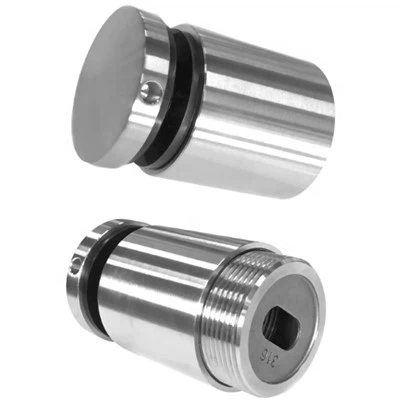
- Stainless Steel: Stainless steel is a popular choice for glass clamps due to its strength, corrosion resistance, and aesthetic appeal. It can withstand high clamping forces and is suitable for both indoor and outdoor applications. Check out our Stainless Steel Glass Clamps for a wide range of options.
- Aluminum: Aluminum is a lightweight and cost-effective material that is also corrosion-resistant. It's a good choice for applications where weight is a concern, such as in curtain wall systems. However, aluminum may not be as strong as stainless steel, so it may not be suitable for high-load applications.
- Brass: Brass is a durable and attractive material that is often used in decorative glass clamps. It has good corrosion resistance and can provide a high level of clamping force. However, brass may be more expensive than other materials, so it may not be the most cost-effective option for large-scale installations.
Proper Installation Techniques
Even the best-designed and highest-quality glass clamps won't provide sufficient clamping force if they're not installed correctly. Proper installation techniques are essential for ensuring that the clamps are tightened to the correct torque and that the glass is properly supported. Here are some installation tips to keep in mind:
- Follow the Manufacturer's Instructions: Always follow the manufacturer's instructions when installing glass clamps. The instructions will provide specific guidelines on the installation process, including the recommended torque settings and the proper use of tools.
- Use the Right Tools: Using the right tools is crucial for ensuring that the clamps are tightened to the correct torque. Make sure you have a torque wrench that is calibrated to the manufacturer's specifications. Avoid over-tightening the clamps, as this can damage the glass or the clamp.
- Check the Alignment: Before tightening the clamps, make sure the glass panels are properly aligned. Misaligned glass can cause uneven clamping forces, which can lead to glass breakage or failure. Use a level and a straightedge to ensure that the glass is perfectly vertical and horizontal.
- Provide Adequate Support: In addition to the clamping force, the glass also needs to be properly supported to prevent it from sagging or breaking. Make sure the glass is resting on a flat and stable surface, and use appropriate support brackets or spacers if necessary.
Regular Maintenance and Inspection
Once the glass clamps are installed, it's important to perform regular maintenance and inspection to ensure that they continue to provide sufficient clamping force. Over time, the clamping force may decrease due to factors such as vibration, temperature changes, or wear and tear. Here are some maintenance and inspection tips:
- Check the Torque: Periodically check the torque of the clamps to make sure they're still tightened to the correct specifications. Use a torque wrench to verify the torque settings and retighten the clamps if necessary.
- Inspect the Clamps for Damage: Look for any signs of damage or wear on the clamps, such as cracks, corrosion, or deformation. If you notice any damage, replace the clamps immediately to prevent failure.
- Clean the Clamps: Keep the clamps clean and free of dirt, debris, and moisture. Use a mild detergent and a soft cloth to clean the clamps, and dry them thoroughly to prevent corrosion.
Conclusion
Improving the clamping force of a glass clamp is essential for ensuring the safety and performance of your glass installation. By choosing the right clamp design, selecting high-quality materials, using proper installation techniques, and performing regular maintenance and inspection, you can maximize the clamping force of your glass clamps and ensure that they provide a secure hold for your glass panels.
If you're in the market for high-quality glass clamps, we're here to help. As a leading glass clamp supplier, we offer a wide range of products to meet your needs, including Stainless Steel Glass Clamps, Glass Bracket Holder, and Glass Balustrade Clamps. Contact us today to discuss your requirements and learn more about our products. We look forward to working with you to create a successful glass installation.
References
- "Glass Clamps: A Comprehensive Guide." Glass Magazine.
- "Installation and Maintenance of Glass Clamps." Architectural Glass Association.
- "Material Selection for Glass Clamps." Journal of Building Materials and Structures.