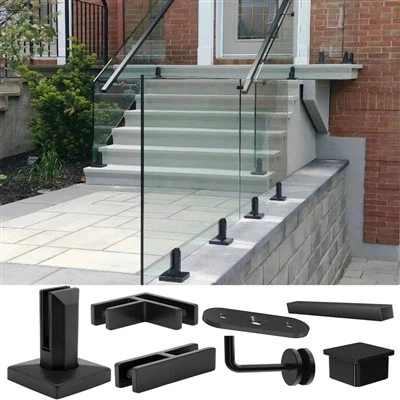
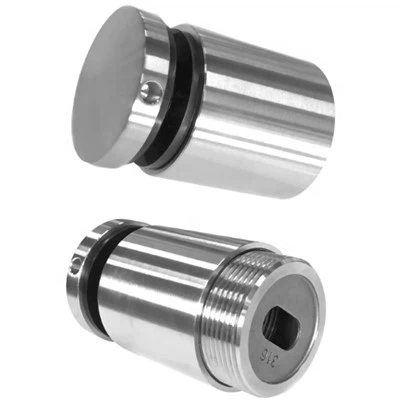
When it comes to installing glass structures, choosing the right glass clamp is crucial for both the safety and aesthetics of the project. As a professional glass clamp supplier, I understand the importance of this decision. Different types of glass require different types of clamps to ensure a secure and long - lasting installation. In this blog, I will guide you on how to choose a glass clamp according to the glass type.
Understanding Different Glass Types
Before delving into the selection of glass clamps, it's essential to understand the various types of glass commonly used in construction and interior design.
Tempered Glass
Tempered glass is one of the most popular choices due to its high strength and safety features. It is heat - treated to increase its resistance to impact and thermal stress. When broken, tempered glass shatters into small, relatively harmless pieces instead of large, sharp shards. This makes it ideal for applications such as glass doors, shower enclosures, and balcony railings.


Laminated Glass
Laminated glass consists of two or more layers of glass bonded together with a polyvinyl butyral (PVB) interlayer. This interlayer holds the glass together when it breaks, preventing it from shattering and falling apart. Laminated glass is often used in areas where safety and security are a concern, such as storefronts, skylights, and hurricane - prone regions.
Annealed Glass
Annealed glass is the basic form of glass that has been slowly cooled to relieve internal stresses. It is relatively inexpensive and easy to cut and shape. However, it is also the weakest type of glass and is more likely to break into large, sharp pieces when damaged. Annealed glass is commonly used in picture frames, windows in non - critical areas, and some decorative applications.
Insulated Glass
Insulated glass units (IGUs) are made up of two or more glass panes separated by a spacer and sealed to create an air or gas - filled cavity. This design provides excellent thermal insulation, reducing heat transfer and energy consumption. IGUs are widely used in windows and doors to improve the energy efficiency of buildings.
Factors to Consider When Choosing a Glass Clamp
Once you have identified the type of glass you are using, several factors should be considered when selecting a glass clamp.
Glass Thickness
The thickness of the glass is a critical factor in determining the appropriate clamp. Different clamps are designed to accommodate specific glass thicknesses. Using a clamp that is not compatible with the glass thickness can result in an insecure installation and potential safety hazards. For example, thinner glass may require a more delicate clamp to prevent cracking, while thicker glass may need a stronger and more robust clamp to hold it securely.
Load - Bearing Capacity
The load - bearing capacity of the clamp is another important consideration. This refers to the amount of weight and stress the clamp can withstand without failing. The load - bearing requirements will depend on the application of the glass structure. For instance, a glass railing on a balcony will need to support the weight of people leaning against it, while a glass shelf may only need to support the weight of the items placed on it.
Aesthetic Requirements
In addition to functionality, the aesthetic appearance of the clamp is also important, especially in applications where the clamp is visible. There are various styles and finishes available, such as stainless steel, chrome, and black powder - coated, to match the overall design of the project. You can choose a clamp that either blends in with the glass for a minimalist look or makes a statement as a decorative element.
Corrosion Resistance
If the glass structure is exposed to moisture or harsh environmental conditions, corrosion resistance is a must. Stainless steel clamps are a popular choice due to their excellent corrosion resistance. They can withstand exposure to water, salt, and chemicals without rusting or deteriorating, ensuring the long - term durability of the installation.
Matching Glass Clamps to Glass Types
Tempered Glass
For tempered glass, you need a clamp that can provide a secure grip without causing damage to the glass. Glass To Glass Clamps are often a good choice for connecting two pieces of tempered glass. These clamps are designed to hold the glass firmly in place while allowing for some flexibility to accommodate minor movements and vibrations. They are commonly used in frameless glass railings and partitions.
When selecting a glass to glass clamp for tempered glass, make sure it is rated for the appropriate glass thickness and load - bearing capacity. Additionally, choose a clamp with a smooth surface finish to prevent scratching the glass.
Laminated Glass
Laminated glass requires a clamp that can distribute the load evenly across the glass surface to prevent the interlayer from separating. Glass Bracket Holder can be used to support laminated glass in various applications. These holders are designed to provide a stable base for the glass and can be adjusted to fit different glass sizes and shapes.
Since laminated glass is often used in areas where safety is a priority, it is important to choose a high - quality clamp that meets relevant safety standards. Look for clamps that have been tested and certified for use with laminated glass.
Annealed Glass
Due to its relatively low strength, annealed glass needs a gentle clamping force to avoid breakage. Clamps with soft rubber pads or inserts can be used to protect the glass surface and provide a secure hold. These types of clamps are commonly used in picture frames and small decorative glass installations.
It's important to note that annealed glass is more prone to breakage, so extra care should be taken during installation and handling. Avoid using excessive force when tightening the clamps to prevent cracking.
Insulated Glass
Insulated glass units require clamps that can accommodate the additional thickness and structure of the IGU. Glass Balustrade Brackets are suitable for supporting insulated glass in balustrade applications. These brackets are designed to provide a strong and stable connection while maintaining the integrity of the IGU's insulation.
When choosing a clamp for insulated glass, ensure that it does not interfere with the sealing of the IGU, as this can compromise its thermal performance.
Conclusion
Choosing the right glass clamp according to the glass type is essential for a successful glass installation. By considering factors such as glass thickness, load - bearing capacity, aesthetic requirements, and corrosion resistance, you can select a clamp that provides a secure and visually appealing solution. As a glass clamp supplier, I am committed to providing high - quality products that meet the diverse needs of our customers.
If you are planning a glass project and need assistance in choosing the right glass clamps, please feel free to contact us. Our team of experts is ready to help you make the best decision for your specific application. Whether you need a simple glass bracket or a complex glass - to - glass connection, we have the products and knowledge to support your project.
References
- "Glass Technology Handbook" by John C. Mauro and Maria C. Boccaccini
- "Handbook of Glass Properties" edited by David R. Uhlmann and Narottam P. Bansal
- Industry standards and guidelines for glass installation and clamping systems.