


Tactile studs, also known as tactile ground surface indicators (TGSIs), are an essential component of an accessible environment for the visually impaired. As a supplier of high - quality tactile studs, I've witnessed firsthand how these small yet powerful devices can significantly enhance the mobility and safety of visually impaired individuals. In this blog, I'll delve into the various ways tactile studs help the visually impaired and why they are a crucial part of inclusive urban design.
Navigation and Orientation
One of the primary functions of tactile studs is to assist the visually impaired in navigating their surroundings. These studs are strategically placed on the ground to provide clear and consistent cues about the path ahead. For example, in pedestrian areas, rows of smooth, elongated studs are often used to indicate a safe walking route, guiding the visually impaired along sidewalks and across intersections.
When approaching a hazard or a change in the environment, such as a railway platform edge or a staircase, different types of tactile studs come into play. Circular domed studs are commonly used to signal a warning. The distinct texture of these studs can be easily detected by a white cane or by the feet, alerting the visually impaired person to exercise caution. This simple yet effective system of visual and tactile cues allows them to move around with greater confidence and independence.
Imagine a visually impaired person trying to navigate a busy city center without tactile studs. They would have to rely solely on auditory cues, which can be unreliable in noisy environments. Tactile studs provide an additional layer of information, making it easier for them to find their way and avoid potential dangers.
Safety in Public Spaces
Tactile studs play a vital role in enhancing safety in public spaces. In railway stations, for instance, they are used to mark the platform edges, preventing visually impaired passengers from accidentally stepping onto the tracks. The raised studs create a physical barrier that can be felt underfoot, providing a clear indication of where the platform ends.
Similarly, in airports, tactile studs are used to guide passengers to important facilities such as restrooms, gates, and baggage claim areas. This not only improves the overall travel experience for the visually impaired but also reduces the risk of accidents and injuries.
In addition to guiding pedestrians, tactile studs can also help the visually impaired in areas prone to natural disasters. For example, in earthquake - prone regions, they can be used to mark evacuation routes, ensuring that visually impaired individuals can quickly and safely reach a place of safety.

Compliance with Accessibility Standards
Many countries have established accessibility standards that require the installation of tactile studs in public buildings and spaces. These standards are designed to ensure that the built environment is inclusive and accessible to all, regardless of their physical abilities. As a tactile stud supplier, I understand the importance of providing products that meet these standards.
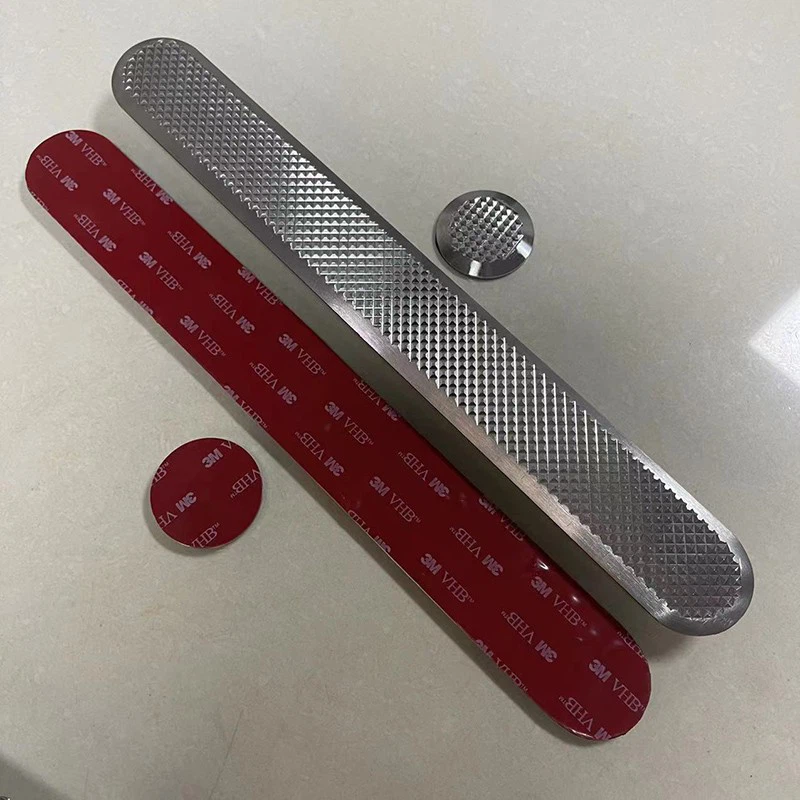
Our Ss Tactile Studs are made from high - quality materials that are durable, slip - resistant, and easy to clean. They are designed to withstand heavy foot traffic and harsh weather conditions, ensuring long - term performance. Our Bronze Tactile Indicators not only provide excellent tactile feedback but also add an aesthetic touch to the environment.
By complying with accessibility standards, businesses and municipalities can avoid legal issues and demonstrate their commitment to social responsibility. Moreover, the installation of tactile studs can improve the overall quality of life for the visually impaired, making it easier for them to participate fully in society.
Customization and Design
Tactile studs are not just functional; they can also be customized to suit the specific needs and design requirements of a project. We offer a wide range of colors, shapes, and sizes to choose from, allowing architects and designers to incorporate tactile studs seamlessly into the overall design of a building or public space.
For example, in a modern and minimalist building, sleek and low - profile tactile studs can be used to maintain the aesthetic integrity of the design. On the other hand, in a more traditional or historical setting, bronze or stone - like tactile studs can be selected to complement the existing architecture.
Our Tactile Ground Surface Indicator products can also be customized with specific patterns or symbols to convey additional information. This can be particularly useful in educational institutions or cultural centers, where tactile studs can be used to teach visually impaired students about different concepts or to provide information about exhibits.
Environmental Considerations
As a responsible supplier, we are also committed to environmental sustainability. Our tactile studs are made from recyclable materials, and we strive to minimize our carbon footprint throughout the manufacturing process. By choosing our products, customers can not only contribute to the well - being of the visually impaired but also support environmental conservation efforts.
In addition, the long - lasting nature of our tactile studs means that they need to be replaced less frequently, reducing waste and the consumption of resources over time. This makes them a cost - effective and environmentally friendly solution for creating accessible environments.
The Future of Tactile Studs
The future of tactile studs looks promising, with ongoing research and development aimed at improving their functionality and effectiveness. New technologies are being explored to enhance the tactile feedback provided by studs, making them even more detectable for the visually impaired.
For example, some researchers are working on developing smart tactile studs that can communicate with wearable devices used by the visually impaired. These studs could provide real - time information about the surrounding environment, such as the location of nearby amenities or the presence of hazards.
As the demand for accessible infrastructure continues to grow, the role of tactile studs will become even more important. We are constantly innovating and improving our products to meet the evolving needs of the visually impaired community and to contribute to the creation of more inclusive cities.
Conclusion
Tactile studs are a simple yet powerful tool that can make a significant difference in the lives of the visually impaired. They provide essential navigation and safety cues, help ensure compliance with accessibility standards, offer customization options, and are environmentally friendly.
As a tactile stud supplier, I am proud to be part of an industry that is dedicated to improving the quality of life for the visually impaired. If you are involved in a project that requires the installation of tactile studs, I encourage you to reach out to us. We have the expertise and the products to help you create an accessible and inclusive environment. Whether you are an architect, a developer, or a municipality, we can work together to make a positive impact on the lives of the visually impaired.
References
- International Organization for Standardization. (ISO). ISO 23599:2022 - Tactile ground surface indicators — Requirements and test methods.
- World Health Organization. (WHO). World report on disability.
- American National Standards Institute. (ANSI). A117.1 - 2009/ICC A117.1 - 2009: Accessible and usable buildings and facilities.


