


Tactile studs, also known as tactile ground surface indicators (TGSIs), are small, raised markers installed on pavements, stairs, and other surfaces to provide tactile information for the visually impaired. These studs play a crucial role in enhancing the safety and mobility of blind and visually impaired individuals. As a tactile studs supplier, I have witnessed firsthand the positive impact these devices have on the lives of people with visual impairments. In this blog post, I will explore how tactile studs enhance the safety of the blind and why they are an essential component of inclusive urban design.
Navigation and Orientation
One of the primary ways tactile studs enhance the safety of the blind is by providing clear navigation and orientation cues. For visually impaired individuals, navigating unfamiliar environments can be a challenging and potentially dangerous task. Tactile studs are strategically placed to guide them along safe paths, such as pedestrian crossings, railway platforms, and building entrances.
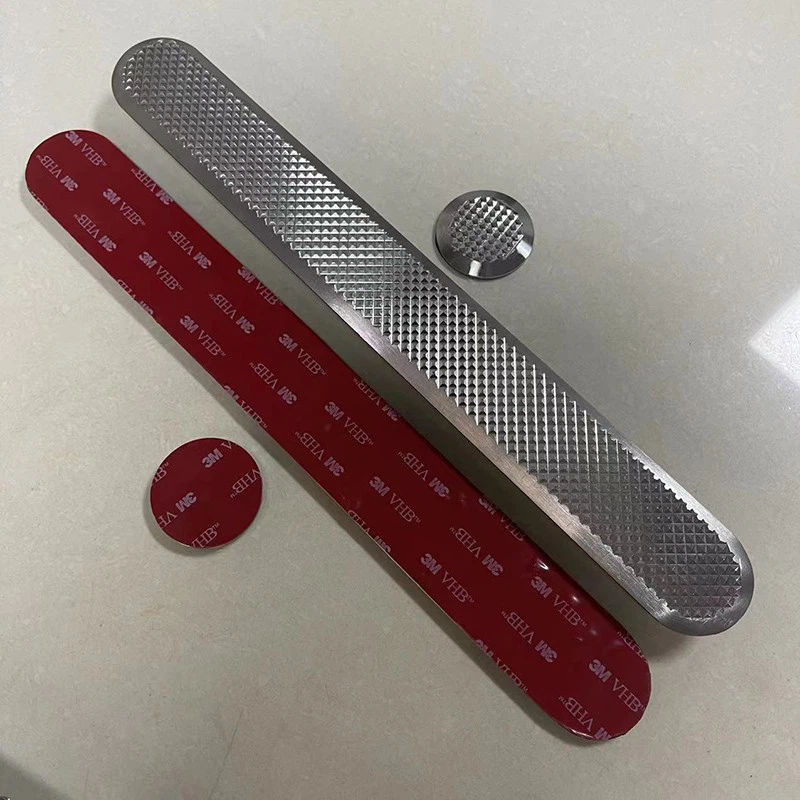

The most common type of tactile stud is the directional stud, which consists of a series of raised dots or bars arranged in a specific pattern. These studs are typically installed along the edges of walkways and indicate the direction of travel. By following the tactile pattern with their feet or a long cane, blind individuals can confidently navigate through complex environments without the need for visual cues.
In addition to directional studs, there are also warning studs that are used to alert the blind to potential hazards. These studs are usually marked with a different pattern, such as a series of raised squares or circles, and are placed at locations where there is a change in surface level, a sharp turn, or a potential danger, such as a staircase or a railway track. When a blind person encounters a warning stud, they can slow down, take extra precautions, and adjust their path accordingly.
Safety at Pedestrian Crossings
Pedestrian crossings are one of the most dangerous places for blind and visually impaired individuals. Without proper guidance, they may have difficulty determining when it is safe to cross the road, especially in busy urban areas with heavy traffic. Tactile studs play a crucial role in improving the safety of pedestrian crossings by providing clear and consistent cues to the blind.
At pedestrian crossings, tactile studs are typically installed in a specific pattern to indicate the location and width of the crossing. The studs are usually placed at the edge of the pavement and along the centerline of the crossing, creating a tactile pathway that guides the blind across the road. In addition, some pedestrian crossings are equipped with audible signals, such as beeping sounds or voice announcements, to provide additional information to the blind.
Tactile studs also help to improve the safety of pedestrian crossings by making them more visible to motorists. The raised pattern of the studs is easily detectable by drivers, especially at night or in low-light conditions, and serves as a visual reminder to stop and yield to pedestrians. This helps to reduce the risk of accidents and ensures that blind individuals can cross the road safely and independently.
Safety at Railway Stations
Railway stations are another challenging environment for blind and visually impaired individuals. With multiple platforms, trains, and passengers, it can be difficult for them to navigate through the station and find their way to the correct platform. Tactile studs are widely used at railway stations to enhance the safety and mobility of blind passengers.
At railway platforms, tactile studs are installed along the edge of the platform to indicate the boundary between the platform and the track. This helps to prevent blind individuals from accidentally stepping onto the track and falling in front of an oncoming train. The studs are usually marked with a specific pattern, such as a series of raised bars, to provide a clear tactile cue to the blind.
In addition to platform edge studs, there are also tactile studs installed on the stairs, escalators, and elevators at railway stations. These studs help to guide the blind through the station and ensure that they can access the different facilities safely and independently. For example, tactile studs are often installed on the handrails of stairs and escalators to provide a tactile grip and prevent the blind from slipping or falling.
Compliance with Australian Standards
In Australia, tactile studs are subject to strict standards and regulations to ensure their effectiveness and safety. The Tactile Indicators Australian Standards specify the design, installation, and maintenance requirements for tactile studs in various applications, including pedestrian crossings, railway stations, and public buildings.
As a tactile studs supplier, it is our responsibility to ensure that our products comply with these standards and regulations. We use high-quality materials and advanced manufacturing techniques to produce tactile studs that are durable, slip-resistant, and easy to install. Our studs are also designed to meet the specific needs of different applications, such as outdoor environments, high-traffic areas, and wet or slippery surfaces.
By complying with the Australian Standards, we can ensure that our tactile studs provide reliable and consistent performance, and enhance the safety and mobility of blind and visually impaired individuals. We also work closely with architects, engineers, and local authorities to ensure that our products are installed correctly and in accordance with the relevant standards and guidelines.
Benefits of Using Tactile Studs
The use of tactile studs offers numerous benefits for blind and visually impaired individuals, as well as for the wider community. Some of the key benefits of using tactile studs include:
- Improved safety: Tactile studs provide clear and consistent cues to the blind, helping them to navigate through complex environments safely and independently. This reduces the risk of accidents and injuries, and improves the overall safety of the community.
- Enhanced mobility: By providing tactile information, tactile studs enable blind individuals to move around more freely and confidently, without the need for visual cues. This improves their quality of life and allows them to participate more fully in society.
- Inclusive design: The use of tactile studs is an important aspect of inclusive design, which aims to create environments that are accessible and usable by people of all abilities. By incorporating tactile studs into public spaces, we can ensure that everyone, regardless of their visual ability, can enjoy equal access to transportation, education, employment, and other opportunities.
- Cost-effective: Tactile studs are a relatively inexpensive and easy-to-install solution for improving the safety and mobility of blind and visually impaired individuals. Compared to other assistive technologies, such as guide dogs or electronic devices, tactile studs are a cost-effective option that can be implemented on a large scale.
Conclusion
Tactile studs are an essential component of inclusive urban design, providing clear and consistent cues to the blind and visually impaired, and enhancing their safety and mobility in public spaces. As a tactile studs supplier, we are committed to providing high-quality products that comply with the Australian Standards and meet the specific needs of our customers.
If you are interested in learning more about our tactile studs or would like to discuss a specific project, please do not hesitate to contact us. We would be happy to provide you with more information, answer your questions, and help you find the right solution for your needs.
References
- Australian Standards for Tactile Indicators. (n.d.). Retrieved from /tactile-indicators/tactile-studs/tactile-indicators-australian-standards.html
- Tactile Ground Surface Indicators. (n.d.). Retrieved from /tactile-indicators/tactile-studs/tactile-ground-surface-indicator.html
- Tactile Studs. (n.d.). Retrieved from /tactile-indicators/tactile-studs/tactile-stud.html


