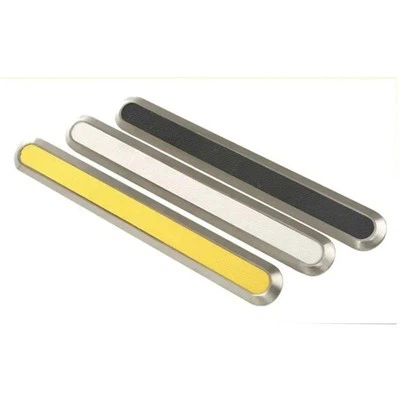
Tactile strips, also known as tactile warning strips, are essential safety elements that play a crucial role in indicating danger in various environments. As a supplier of tactile strips, I have witnessed firsthand how these simple yet effective devices contribute to the safety and accessibility of public spaces. In this blog post, I will delve into the science behind how tactile strips indicate danger and explore their diverse applications.
The Science of Tactile Perception
To understand how tactile strips indicate danger, we must first grasp the concept of tactile perception. The human body is equipped with a complex network of sensory receptors in the skin, which are sensitive to various stimuli such as pressure, vibration, and texture. When we come into contact with an object, these receptors send signals to the brain, allowing us to perceive its physical characteristics.
Tactile strips are designed to exploit this natural sensory mechanism by creating a distinct and easily recognizable texture. The raised dots or bars on the surface of the strips are strategically arranged to stimulate the tactile receptors in the feet or hands, providing a clear and immediate sensory cue. This tactile feedback serves as a warning signal, alerting individuals to potential hazards or changes in the environment.
Indicating Danger in Different Environments
Stairways and Ramps
One of the most common applications of tactile strips is on stairways and ramps. Stair Tactile Warning Strips are typically installed at the edge of stairs or the beginning and end of ramps to indicate a change in elevation. The raised texture of the strips provides a tactile warning to pedestrians, helping them to anticipate the presence of stairs or ramps and adjust their gait accordingly. This is particularly important for individuals with visual impairments, who rely on tactile cues to navigate safely.


Transit Stations and Platforms
Tactile strips are also widely used in transit stations and platforms to indicate the edge of the platform and the location of train doors. Ada Tactile Warning Strip are designed to comply with the Americans with Disabilities Act (ADA) standards, which require that tactile warning surfaces be installed at the edge of platforms to prevent passengers from accidentally stepping off the platform. The strips are typically made of durable materials such as ceramic or stainless steel, which can withstand heavy foot traffic and harsh weather conditions.
Hazardous Areas
In industrial and commercial settings, tactile strips are often used to mark hazardous areas such as the edges of loading docks, the boundaries of machinery, and the location of electrical panels. Stainless Steel Tactile Strips are a popular choice for these applications due to their corrosion resistance and high durability. The raised texture of the strips provides a tactile warning to workers, helping them to avoid potential hazards and prevent accidents.
Benefits of Tactile Strips
Enhanced Safety
The primary benefit of tactile strips is their ability to enhance safety by providing a clear and immediate warning of potential hazards. By alerting individuals to changes in the environment, tactile strips help to prevent accidents and injuries, particularly among individuals with visual impairments or mobility issues.
Accessibility
Tactile strips also play an important role in promoting accessibility in public spaces. By providing tactile cues that are easily detectable by individuals with visual impairments, tactile strips help to create a more inclusive environment that is accessible to everyone.
Compliance
In many cases, the installation of tactile strips is required by law to comply with building codes and accessibility standards. By using high-quality tactile strips that meet or exceed these standards, property owners and managers can ensure that their facilities are safe and accessible for all users.
Choosing the Right Tactile Strips
When choosing tactile strips for your project, it is important to consider several factors, including the type of environment, the level of foot traffic, and the specific safety requirements. Here are some tips to help you choose the right tactile strips:
- Material: Tactile strips are available in a variety of materials, including ceramic, stainless steel, aluminum, and rubber. Each material has its own advantages and disadvantages, so it is important to choose the material that is best suited for your specific application.
- Texture: The texture of the tactile strips is an important consideration, as it determines the level of tactile feedback that the strips provide. The most common textures include raised dots, bars, and squares, each of which has its own unique sensory characteristics.
- Color: The color of the tactile strips can also play a role in their effectiveness. Brightly colored strips are more visible and easier to detect, particularly in low-light conditions.
- Installation: Proper installation is essential to ensure the effectiveness and durability of the tactile strips. It is important to follow the manufacturer's installation instructions carefully and to use the appropriate adhesives and fasteners.
Conclusion
Tactile strips are a simple yet effective safety solution that can help to prevent accidents and injuries in a variety of environments. By providing a clear and immediate tactile warning of potential hazards, these strips play an important role in enhancing safety and accessibility for all individuals. As a supplier of tactile strips, I am committed to providing high-quality products that meet or exceed the highest standards of safety and performance.
If you are interested in learning more about our tactile strips or would like to discuss your specific project requirements, please do not hesitate to contact us. Our team of experts is available to provide you with personalized advice and support to help you choose the right tactile strips for your needs. We look forward to working with you to create a safer and more accessible environment.
References
- American National Standards Institute (ANSI). (2017). ANSI A117.1-2017: Accessible and Usable Buildings and Facilities.
- Americans with Disabilities Act (ADA) Accessibility Guidelines. (2010). U.S. Department of Justice.
- International Building Code (IBC). (2018). International Code Council.