Ensuring the stability of a glass deck railing is of utmost importance, not only for the safety of those using the deck but also for the overall aesthetic and structural integrity of the property. As a glass deck railing supplier, I have gained extensive experience in understanding the factors that contribute to railing stability and the best practices to guarantee it.
Understanding the Key Components
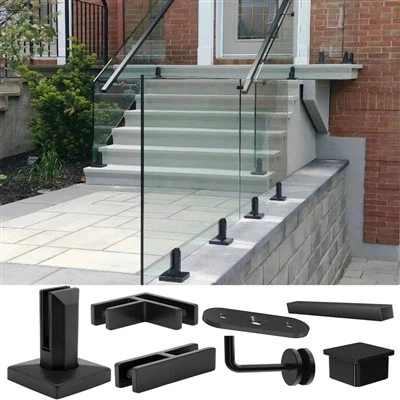
To begin with, it's essential to understand the key components of a glass deck railing system. A typical glass deck railing consists of glass panels, posts, brackets, and sometimes a top rail. Each component plays a crucial role in the overall stability of the railing.
The glass panels are the most visible part of the railing. They come in various thicknesses and types, such as tempered glass and laminated glass. Tempered glass is stronger and more resistant to breakage than regular glass, making it a popular choice for deck railings. Laminated glass, on the other hand, consists of two or more layers of glass bonded together with a plastic interlayer. In the event of breakage, the interlayer holds the glass fragments together, reducing the risk of injury.
Posts are the vertical supports that hold the glass panels in place. They are usually made of metal, such as aluminum or stainless steel, or wood. Metal posts are more durable and require less maintenance than wood posts. The strength and stability of the posts depend on their size, material, and the way they are installed.
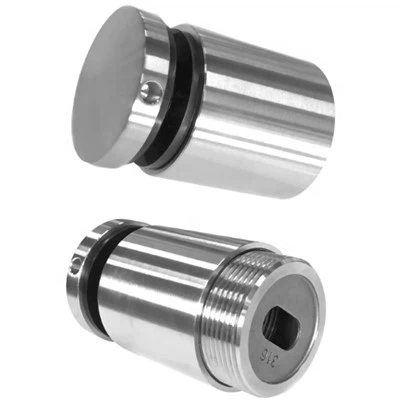
Brackets are used to attach the glass panels to the posts. They come in different designs and materials, such as stainless steel or aluminum. The quality and strength of the brackets are crucial for ensuring the stability of the glass panels.
A top rail, if present, provides additional support and safety. It can be made of the same material as the posts or a different one, such as wood or composite. The top rail should be securely attached to the posts to prevent it from coming loose.
Selecting the Right Materials
Choosing the right materials is the first step in ensuring the stability of a glass deck railing. As a supplier, I always recommend using high-quality materials that are designed to withstand the elements and the weight of the glass panels.
When it comes to glass, tempered glass is the preferred choice for deck railings. It is four to five times stronger than regular glass and is less likely to break. In addition, tempered glass shatters into small, granular pieces when it breaks, reducing the risk of serious injury. Laminated glass is also a good option, especially in areas where safety is a concern. It provides an extra layer of protection by holding the glass fragments together in the event of breakage.
For posts and brackets, stainless steel or aluminum are the most commonly used materials. Stainless steel is highly resistant to corrosion and rust, making it ideal for outdoor use. Aluminum is lightweight, strong, and easy to install. It also requires less maintenance than other materials.
The top rail can be made of wood, composite, or metal. Wood is a traditional choice that adds a natural look to the deck. However, it requires regular maintenance, such as staining and sealing, to prevent rot and decay. Composite materials are a more durable and low-maintenance alternative to wood. They are made of a combination of wood fibers and plastic and are resistant to moisture, insects, and rot. Metal top rails, such as aluminum or stainless steel, are also a popular choice. They are strong, durable, and require little maintenance.

Proper Installation
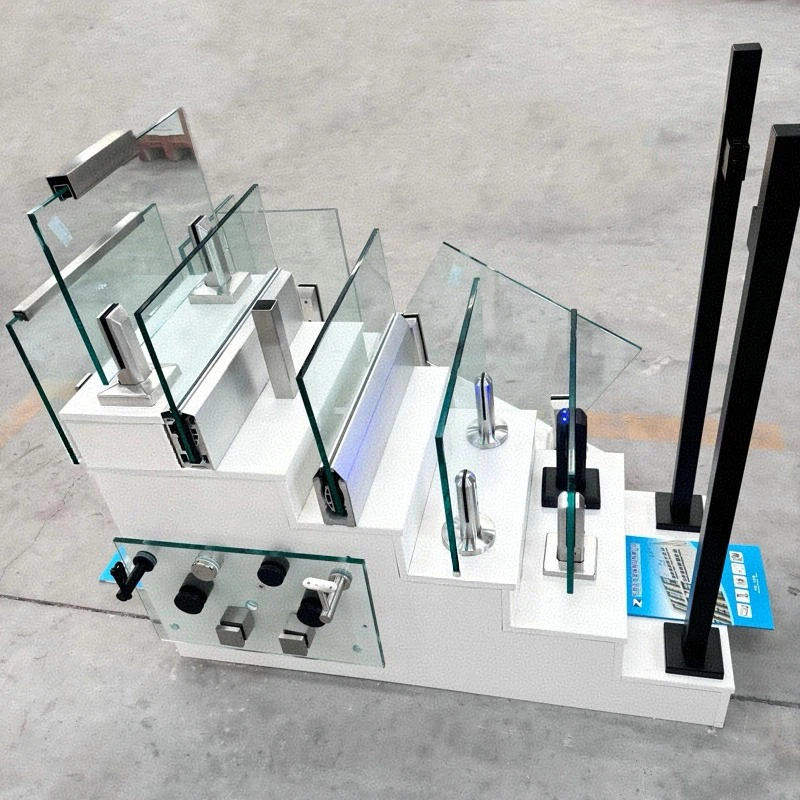
Proper installation is crucial for ensuring the stability of a glass deck railing. Even the highest-quality materials will not perform well if they are not installed correctly. As a supplier, I always recommend hiring a professional installer who has experience in installing glass deck railings.
Before installation, the deck surface should be inspected to ensure that it is level and structurally sound. The posts should be installed securely in the deck using the appropriate fasteners. The depth and spacing of the posts will depend on the size and weight of the glass panels and the local building codes.
When installing the glass panels, it is important to use the correct brackets and hardware. The brackets should be attached to the posts securely and should be able to support the weight of the glass panels. The glass panels should be inserted into the brackets carefully and should be aligned properly.
If a top rail is being installed, it should be attached to the posts securely using the appropriate fasteners. The top rail should be level and should not have any gaps or loose connections.
Regular Maintenance
Regular maintenance is essential for ensuring the long-term stability of a glass deck railing. As a supplier, I always provide my customers with maintenance instructions and recommendations.
Glass panels should be cleaned regularly using a mild soap and water solution. Avoid using abrasive cleaners or tools that could scratch the glass. If the glass panels are dirty or stained, they can be cleaned using a glass cleaner specifically designed for use on tempered or laminated glass.
Posts and brackets should be inspected regularly for signs of corrosion, rust, or damage. If any issues are found, they should be repaired or replaced immediately. Metal posts and brackets can be cleaned using a mild soap and water solution and a soft cloth. Wood posts should be stained or sealed regularly to prevent rot and decay.
The top rail, if present, should also be inspected regularly for signs of damage or wear. If the top rail is made of wood, it should be sanded and refinished periodically to maintain its appearance and durability.
Complying with Building Codes
Complying with local building codes is essential for ensuring the safety and stability of a glass deck railing. Building codes vary from one jurisdiction to another, so it is important to check with the local building department before installing a glass deck railing.
Building codes typically specify the minimum height, strength, and spacing requirements for deck railings. They also require that the railing be installed in a way that prevents people from falling over it. In addition, building codes may require that the glass panels be a certain thickness and type and that the posts and brackets be made of a specific material.
As a supplier, I always provide my customers with information about the building codes in their area and help them select the right materials and products that comply with those codes.
Conclusion
Ensuring the stability of a glass deck railing is a multi-faceted process that involves selecting the right materials, proper installation, regular maintenance, and compliance with building codes. As a glass deck railing supplier, I am committed to providing my customers with high-quality products and expert advice to help them achieve a safe and stable deck railing.
If you are interested in purchasing a glass deck railing, I invite you to visit our website to learn more about our Glass Panel Deck Railing, Clear Deck Railing, and Glass Railing System for Decks. Our team of experts is ready to assist you in selecting the right products for your needs and answering any questions you may have. Contact us today to start the process of enhancing the safety and beauty of your deck with a high-quality glass deck railing.
References
- International Building Code (IBC)
- International Residential Code (IRC)
- American Society for Testing and Materials (ASTM) Standards for Glass and Metal Products
- Local Building Department Regulations and Guidelines