Do tactile tiles need to be replaced frequently? That's a question I get asked a lot as a supplier of tactile tiles. I've been in this business for quite a while, and I've seen firsthand how these tiles play a crucial role in the lives of the visually impaired. So, let's dive into this topic and see what we can find out.
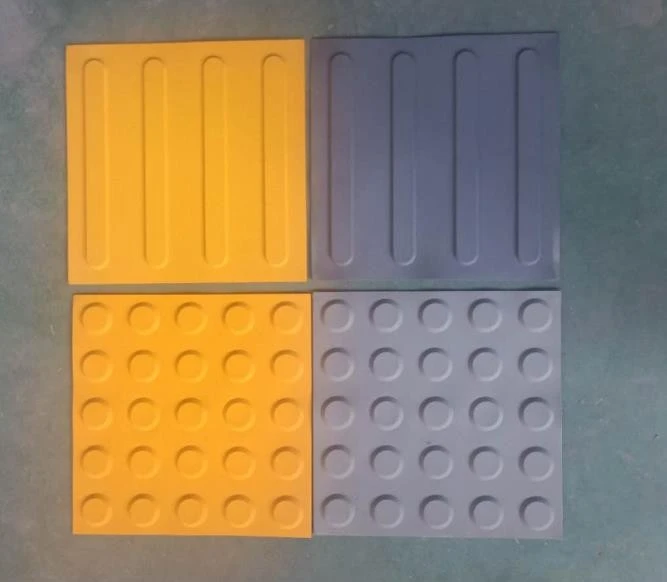
First off, let's talk about what tactile tiles are. Tactile tiles, also known as tactile indicators, are special tiles designed to provide sensory information to people with visual impairments. They come in different shapes and patterns, like bumps or ridges, that can be felt underfoot. These tiles are commonly used in public spaces such as sidewalks, train stations, and airports to help guide the visually impaired and alert them to potential hazards.
There are different types of tactile tiles, each with its own specific function. For instance, Tactile Tiles for Blind are used to provide guidance along a path, while Tactile Paving Tiles are often used to mark the edges of platforms or steps. Tactile Warning Tiles are designed to alert the visually impaired to dangerous areas, like the edge of a road or a drop-off.
Now, back to the question at hand: do tactile tiles need to be replaced frequently? Well, it depends on a few factors. One of the main factors is the environment in which the tiles are installed. If the tiles are in a high-traffic area, they're likely to experience more wear and tear. For example, in a busy train station, thousands of people walk over the tactile tiles every day. Over time, the bumps and ridges on the tiles can get worn down, making them less effective at providing the necessary sensory information.
Another factor is the quality of the tiles. High-quality tactile tiles are made from durable materials that can withstand heavy use. These tiles are less likely to need frequent replacement. On the other hand, lower-quality tiles may start to show signs of wear and tear much sooner. So, when choosing tactile tiles, it's important to invest in high-quality products that will last.
The installation process also plays a role in how long the tiles will last. If the tiles are not installed correctly, they may become loose or damaged more easily. This can lead to a shorter lifespan for the tiles. That's why it's crucial to have a professional install the tactile tiles to ensure they are properly placed and secured.

In addition to wear and tear, environmental factors can also affect the lifespan of tactile tiles. Exposure to extreme weather conditions, such as heat, cold, and moisture, can cause the tiles to deteriorate over time. For example, in areas with harsh winters, the freeze-thaw cycle can cause the tiles to crack or break. In areas with high humidity, the tiles may be more prone to mold and mildew growth, which can also damage the tiles.
So, how often should tactile tiles be replaced? There's no one-size-fits-all answer to this question. In general, it's a good idea to inspect the tiles regularly for signs of wear and tear. If you notice that the bumps or ridges are starting to wear down, or if the tiles are loose or damaged, it's probably time to replace them.
In some cases, local building codes or regulations may specify how often tactile tiles should be replaced. It's important to check these requirements to ensure compliance. Additionally, some insurance companies may require regular inspections and replacement of tactile tiles to maintain coverage.
As a tactile tiles supplier, I understand the importance of providing high-quality products that are durable and long-lasting. That's why we offer a wide range of tactile tiles made from the best materials. Our tiles are designed to withstand heavy use and harsh environmental conditions, so you can be confident that they will provide reliable sensory information for years to come.
If you're in the market for tactile tiles, I encourage you to contact us to discuss your needs. We can help you choose the right type of tiles for your specific application and provide you with a quote. Whether you're a contractor, an architect, or a facility manager, we're here to help you make the right decision.
In conclusion, while tactile tiles don't necessarily need to be replaced frequently, it's important to monitor them for signs of wear and tear and replace them when necessary. By choosing high-quality tiles and having them installed correctly, you can ensure that they provide reliable sensory information for the visually impaired. If you have any questions or need more information about tactile tiles, don't hesitate to reach out. We're here to help you create a safer and more accessible environment for everyone.
References
- Industry standards and guidelines for tactile tiles
- Manufacturer's specifications for tactile tile durability