


When it comes to the functionality of glass spigots, one of the most frequently asked questions is whether they have a consistent flow. As a supplier of glass spigots, I've delved deep into this topic to provide you with a comprehensive understanding.
Understanding Glass Spigots
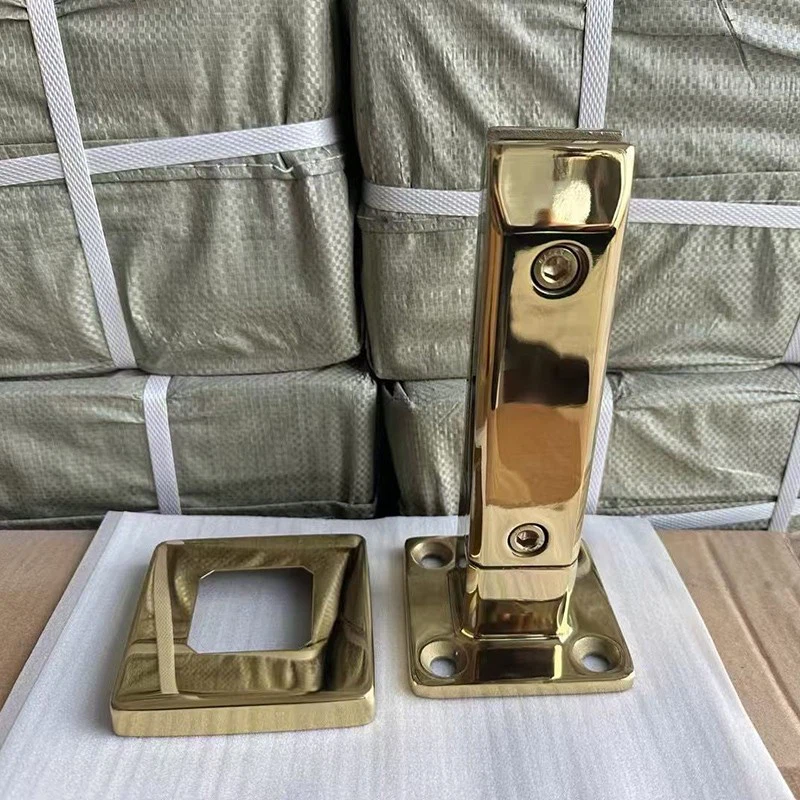
Glass spigots are essential components in modern architectural designs, especially in Glass Balustrade Spigots. They are used to support glass panels in various applications such as stair railings, balcony enclosures, and partition walls. These spigots are typically made from high - quality materials like stainless steel or brass, which are known for their durability and corrosion resistance.
The design of glass spigots is crucial for their performance. They come in different shapes and sizes, with some having a simple cylindrical design while others feature more complex geometries. The way a spigot is designed can significantly impact its ability to provide a consistent flow.
Factors Affecting Flow Consistency
- Design and Geometry
The shape of the glass spigot can have a direct impact on the flow. A well - designed spigot will have a smooth surface and a shape that allows for an even distribution of force. For example, spigots with a tapered design may direct the flow of forces more efficiently, reducing the likelihood of uneven stress on the glass panel. In contrast, a spigot with sharp edges or irregularities can cause disruptions in the flow, leading to inconsistent performance. - Material Quality
The material from which the spigot is made plays a vital role in flow consistency. High - quality materials like 316 stainless steel offer better structural integrity and resistance to deformation. When a spigot is made from a sub - standard material, it may bend or warp under stress, causing the flow of forces to become inconsistent. This can lead to premature failure of the glass panel or the spigot itself. - Installation
Proper installation is key to ensuring consistent flow. If a glass spigot is not installed correctly, it can create uneven pressure points on the glass. For instance, if the spigot is not level or is over - tightened, it can cause the glass to crack or break. A professional installation team with experience in working with Spigot For Glass is essential to guarantee that the spigots are installed in a way that promotes consistent flow.
Testing and Quality Assurance
At our company, we understand the importance of flow consistency in glass spigots. That's why we subject our products to rigorous testing procedures. We use advanced simulation software to analyze the flow of forces through the spigots under different conditions. This allows us to identify any potential issues with the design and make necessary adjustments before the products are manufactured.
In addition to computer - based simulations, we also conduct physical tests on our spigots. We apply various loads to the spigots and measure the response of the glass panels. By doing so, we can ensure that our spigots provide a consistent flow of forces, even under extreme conditions.
Real - World Applications
In real - world applications, the consistency of flow in glass spigots is crucial for the safety and longevity of the entire structure. For example, in a high - rise building's balcony railing system, the glass spigots need to withstand wind loads, seismic activity, and the weight of people leaning on the railing. A consistent flow of forces ensures that the glass panels remain intact and the railing system functions as intended.
In commercial spaces, such as shopping malls or office buildings, glass spigots are used in partition walls. These spigots need to provide a stable support for the glass, allowing for a clear and unobstructed view. A consistent flow of forces helps to prevent the glass from vibrating or moving, which can be a distraction and a safety hazard.
The Role of the Spigot Glass Railing System
The spigot glass railing system as a whole also affects the flow consistency of glass spigots. A well - designed system will take into account the interaction between the spigots, the glass panels, and the supporting structure. For example, the spacing between the spigots can impact the distribution of forces. If the spigots are too far apart, the glass may experience excessive bending, while if they are too close, it can lead to over - constraint and uneven stress distribution.
Advantages of Consistent Flow
- Enhanced Safety
A consistent flow of forces in glass spigots reduces the risk of glass breakage. This is especially important in public areas where broken glass can cause serious injuries. By ensuring that the spigots distribute forces evenly, we can provide a safer environment for everyone. - Improved Aesthetics
When the glass panels are supported by spigots with consistent flow, they are less likely to show signs of stress, such as cracks or distortions. This results in a more visually appealing appearance, which is highly desirable in modern architectural designs. - Long - Term Durability
Consistent flow helps to prevent premature wear and tear on the glass spigots and the glass panels. This means that the entire system will have a longer lifespan, reducing the need for frequent repairs and replacements.
Conclusion
In conclusion, glass spigots can have a consistent flow if they are well - designed, made from high - quality materials, and installed correctly. At our company, we are committed to providing glass spigots that meet the highest standards of quality and performance. Our products are designed to ensure a consistent flow of forces, providing enhanced safety, improved aesthetics, and long - term durability.
If you are interested in purchasing glass spigots for your next project, we invite you to contact us for a detailed discussion. Our team of experts will be happy to assist you in selecting the right spigots for your specific needs.

References
- "Structural Design of Glass in Buildings" by Stephen D. Wight
- "Architectural Glass and Glazing" by John W. Koshel


