Can tactile tiles be used in restaurants?
Tactile tiles, also known as tactile paving tiles, are a type of surface treatment designed to provide sensory information to people with visual impairments. These tiles typically feature raised patterns or textures that can be felt underfoot, allowing individuals to navigate public spaces more safely and independently. While tactile tiles are commonly associated with sidewalks, train stations, and other outdoor areas, there is growing interest in their potential use in indoor settings, such as restaurants. In this blog post, we'll explore the feasibility and benefits of using tactile tiles in restaurants, and discuss how our company, as a tactile tiles supplier, can help you implement this innovative solution.
The Need for Tactile Tiles in Restaurants
Restaurants are dynamic environments with a variety of hazards and challenges for people with visual impairments. From navigating through crowded dining areas to finding restrooms and exits, individuals with limited vision may face difficulties in these spaces. Tactile tiles can play a crucial role in enhancing accessibility and safety in restaurants by providing clear tactile cues that guide patrons through the establishment.
One of the primary benefits of using tactile tiles in restaurants is improved wayfinding. By installing tactile tiles along pathways, entrances, and exits, restaurants can create a more intuitive and user-friendly environment for visually impaired customers. The raised patterns on the tiles can help individuals identify different areas of the restaurant, such as the dining room, bar, and restrooms, and navigate them with greater confidence.
In addition to wayfinding, tactile tiles can also enhance safety in restaurants. For example, tactile tiles can be used to mark the edges of stairs, ramps, and other potential hazards, reducing the risk of trips and falls. They can also be used to indicate the location of emergency exits, ensuring that all patrons, including those with visual impairments, can quickly and safely evacuate the building in the event of an emergency.
Types of Tactile Tiles Suitable for Restaurants
As a tactile tiles supplier, we offer a wide range of products that are suitable for use in restaurants. Here are some of the most popular types of tactile tiles that we recommend:

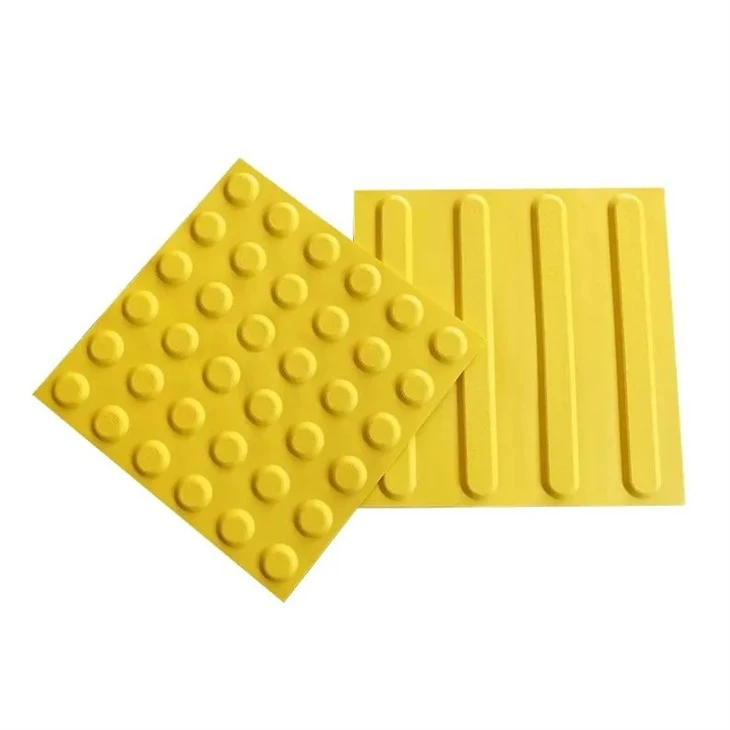
- Tactile Paving Tiles: These tiles are designed for outdoor and indoor use and are available in a variety of shapes, sizes, and colors. They feature raised dots or bars that provide a clear tactile cue for visually impaired individuals. Tactile paving tiles are typically made of durable materials, such as concrete or ceramic, and are resistant to wear and tear, making them ideal for high-traffic areas in restaurants.
- Plastic Tactile Indicators: Plastic tactile indicators are a cost-effective and versatile option for restaurants. They are lightweight, easy to install, and available in a range of colors and patterns. Plastic tactile indicators are also resistant to chemicals and moisture, making them suitable for use in areas where spills and cleaning are common, such as the kitchen and restrooms.
- Access Tile Tactile Systems: Access Tile tactile systems are a modular solution that allows for easy customization and installation. They consist of individual tiles that can be arranged in a variety of patterns to create a unique and effective tactile surface. Access Tile tactile systems are available in a range of materials, including rubber and vinyl, and are suitable for use in both indoor and outdoor applications.
Considerations for Installing Tactile Tiles in Restaurants
When installing tactile tiles in restaurants, there are several factors to consider to ensure that they are effective and safe. Here are some key considerations:
- Location: Tactile tiles should be installed in areas where they will be most useful for visually impaired individuals. This may include pathways, entrances, exits, stairs, ramps, and restrooms. It's important to ensure that the tiles are installed in a consistent and logical manner, so that they provide a clear and reliable tactile cue.
- Design: The design of the tactile tiles should be appropriate for the restaurant's decor and style. While functionality is the primary concern, the tiles should also blend in with the overall aesthetic of the space. Our company offers a range of colors and patterns to choose from, so you can find the perfect tactile tiles to complement your restaurant's design.
- Installation: Proper installation is crucial to ensure that the tactile tiles are effective and safe. It's important to hire a professional installer who has experience working with tactile tiles and understands the specific requirements for their installation. Our company can provide installation services or recommend qualified installers in your area.
- Maintenance: Tactile tiles require regular maintenance to ensure that they remain effective and safe. This may include cleaning, inspection, and replacement of damaged tiles. Our company offers maintenance services to help you keep your tactile tiles in good condition and ensure that they continue to provide a reliable tactile cue for visually impaired individuals.
Benefits of Using Tactile Tiles in Restaurants
In addition to improving accessibility and safety, using tactile tiles in restaurants can also provide several other benefits, including:
- Enhanced Customer Experience: By making your restaurant more accessible to people with visual impairments, you can enhance the overall customer experience for all patrons. When everyone feels welcome and comfortable in your establishment, they are more likely to return and recommend your restaurant to others.
- Compliance with Regulations: Many countries and regions have regulations in place that require public buildings, including restaurants, to be accessible to people with disabilities. By installing tactile tiles in your restaurant, you can ensure that you are in compliance with these regulations and avoid potential legal issues.
- Positive Brand Image: Demonstrating a commitment to accessibility and inclusivity can help to enhance your restaurant's brand image and reputation. Customers are increasingly looking for businesses that are socially responsible and inclusive, and using tactile tiles in your restaurant can help you to stand out from the competition.
Conclusion
In conclusion, tactile tiles can be a valuable addition to restaurants, providing improved accessibility, safety, and wayfinding for people with visual impairments. As a tactile tiles supplier, we offer a wide range of products and services to help you implement this innovative solution in your restaurant. Whether you're looking for tactile paving tiles, plastic tactile indicators, or access tile tactile systems, we can provide the products and expertise you need to create a more inclusive and user-friendly environment for all your customers.
If you're interested in learning more about using tactile tiles in your restaurant, please contact us to schedule a consultation. Our team of experts will be happy to discuss your specific needs and recommend the best tactile tile solution for your restaurant. Let's work together to make your restaurant more accessible and inclusive for everyone.
References
- "Tactile Paving Guidelines for Pedestrian Facilities." Federal Highway Administration.
- "Accessibility Standards for Buildings and Facilities." Americans with Disabilities Act (ADA).
- "Best Practices for Tactile Wayfinding in Public Spaces." National Federation of the Blind.