


As a supplier of handrail connectors, I often get asked whether these connectors can be used for decking. This is a valid question, as decking projects require reliable and durable components to ensure safety and longevity. In this blog post, I'll explore the feasibility of using handrail connectors for decking, highlighting the benefits, considerations, and types of connectors that are suitable for such applications.
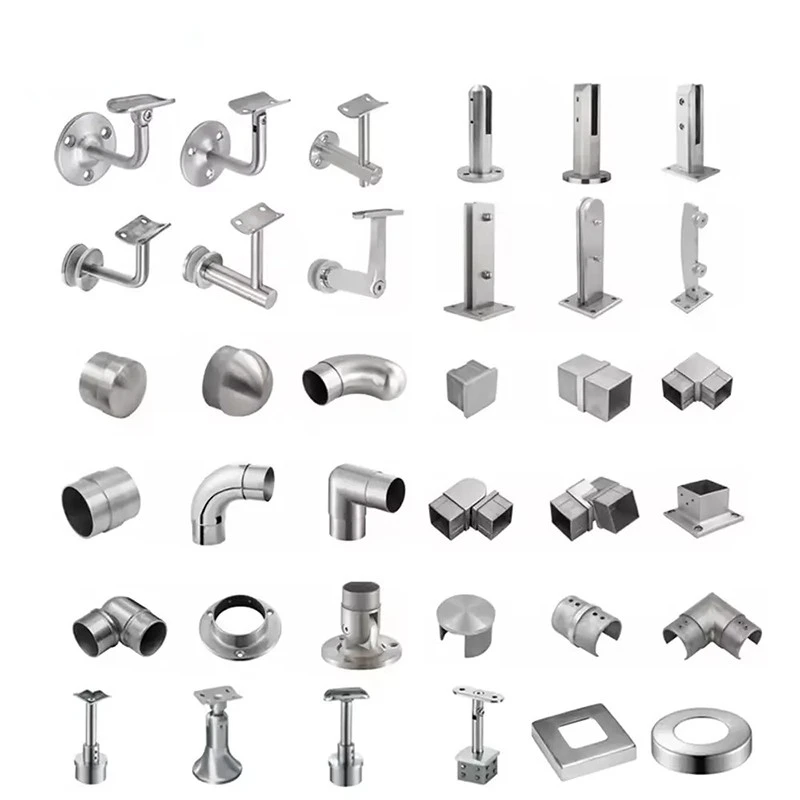

The Feasibility of Using Handrail Connectors for Decking
Handrail connectors are designed to join handrail components together, providing a secure and stable connection. These connectors are typically made from high - quality materials such as stainless steel, which offers excellent corrosion resistance and strength. When it comes to decking, the same qualities that make handrail connectors suitable for handrails can also be advantageous for decking applications.
One of the main reasons why handrail connectors can be used for decking is their ability to create strong joints. Decking boards need to be securely attached to the supporting structure to prevent movement and ensure safety. Handrail connectors can provide a reliable connection between the decking boards and the joists or other support elements.
Benefits of Using Handrail Connectors for Decking
- Strength and Durability: Handrail connectors are engineered to withstand significant forces. They are made from robust materials that can resist the wear and tear associated with outdoor use, including exposure to weather elements. This makes them a great choice for decking, which is often subject to heavy foot traffic and environmental stress.
- Aesthetic Appeal: Many handrail connectors are designed with a sleek and modern look. Using these connectors for decking can enhance the overall appearance of the deck, giving it a more professional and finished look.
- Ease of Installation: Handrail connectors are generally easy to install. They often come with simple instructions and require minimal tools, which can save time and effort during the decking installation process.
Considerations When Using Handrail Connectors for Decking
- Compatibility: It's crucial to ensure that the handrail connectors are compatible with the decking materials. Different types of decking, such as wood, composite, or PVC, may require specific connectors. For example, wood decking may need connectors that can accommodate the natural expansion and contraction of the wood.
- Load - Bearing Capacity: The connectors must be able to support the weight and loads associated with the deck. Consider the size of the deck, the expected foot traffic, and any additional loads such as furniture or planters.
- Weather Resistance: Since decking is exposed to the elements, the handrail connectors need to have excellent weather resistance. Stainless steel connectors are a popular choice as they are highly resistant to rust and corrosion.
Types of Handrail Connectors Suitable for Decking
- Pipe Handrail Fittings: Pipe Handrail Fittings are versatile and can be used to connect pipes or tubes in decking applications. They come in various shapes and sizes, allowing for different design options. For example, elbow fittings can be used to create corners in the decking layout, while tee fittings can be used to join multiple pipes together.
- Railing Pipe Fittings: Railing Pipe Fittings are specifically designed for railing systems but can also be adapted for decking. These fittings are often used to connect vertical and horizontal pipes, providing a stable and secure connection. They are available in different finishes, such as polished or brushed, to match the aesthetic of the deck.
- Handrail Tube Fittings: Handrail Tube Fittings are another option for decking. These fittings are designed to connect tubes of different diameters and can be used to create custom decking designs. They are easy to install and can provide a strong and reliable connection.
Installation Tips for Using Handrail Connectors in Decking
- Measure Twice, Cut Once: Before installing the connectors, make sure to measure the decking boards and the support structure accurately. This will ensure a proper fit and prevent any issues during installation.
- Use the Right Tools: Use the appropriate tools for installing the handrail connectors. This may include a drill, screwdriver, or wrench, depending on the type of connector.
- Follow the Manufacturer's Instructions: Each handrail connector may have specific installation instructions. It's important to follow these instructions carefully to ensure a safe and secure installation.
Conclusion
In conclusion, handrail connectors can indeed be used for decking. They offer many benefits, including strength, durability, aesthetic appeal, and ease of installation. However, it's important to consider factors such as compatibility, load - bearing capacity, and weather resistance when choosing the right connectors for your decking project. By selecting the appropriate handrail connectors and following the installation tips, you can create a safe and beautiful deck that will last for years to come.
If you're interested in purchasing handrail connectors for your decking project, I encourage you to reach out to us. Our team of experts can help you choose the right connectors for your specific needs and provide guidance on installation. We look forward to working with you to make your decking project a success.
References
- "Decking Materials and Installation Guide" - Home Improvement Magazine
- "Handrail Connector Design and Engineering" - Construction Technology Journal
- "Outdoor Decking Best Practices" - Landscape Architecture Review


