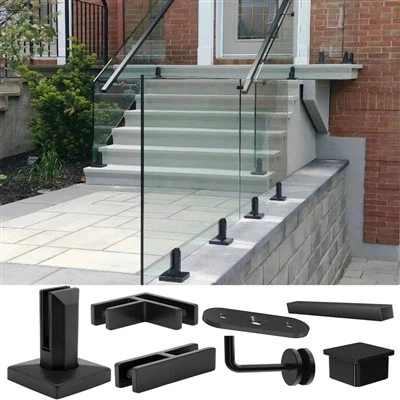
Hey there! As a glass standoff supplier, I often get asked if glass standoffs can be used for a glass railing. Well, the short answer is yes! But let's dive deeper into this topic to understand why and how.
What are Glass Standoffs?
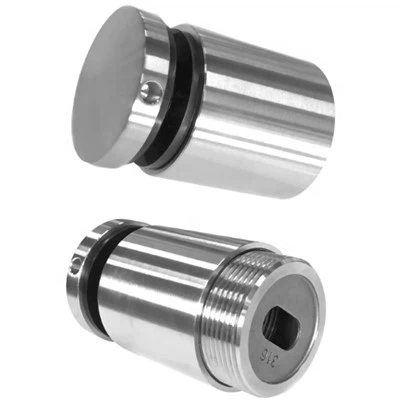
First things first, let's quickly go over what glass standoffs are. Glass standoffs are hardware components that are used to secure glass panels to a surface, usually a wall or a post. They consist of a base plate that's attached to the surface, a threaded rod, and a cap that holds the glass in place. They come in various sizes, finishes, and styles, so you can choose the ones that best fit your design and functional needs. You can check out our Glass Handrail Standoffs for a range of options.
Why Use Glass Standoffs for a Glass Railing?
There are several reasons why glass standoffs are a great choice for glass railings.
Aesthetics
One of the main advantages is the sleek and modern look they provide. Glass railings with standoffs create a clean and minimalist appearance, allowing the beauty of the glass to shine through. They give a sense of openness and transparency, which is especially desirable in contemporary architecture and interior design. Whether it's for a residential balcony, a commercial lobby, or a staircase, glass standoffs can enhance the overall aesthetic appeal of the space.
Durability
Glass standoffs are typically made from high - quality materials such as stainless steel or brass. These materials are known for their strength and corrosion resistance, ensuring that the railing will last for a long time. They can withstand the weight of the glass panels and the forces exerted on the railing, such as wind or people leaning against it. So, you don't have to worry about the standoffs failing or wearing out easily.
Easy Installation
Another benefit is the ease of installation. Compared to some other railing systems, installing a glass railing with standoffs is relatively straightforward. You don't need to have a lot of specialized tools or skills. The standoffs can be easily attached to the surface using screws or bolts, and then the glass panels can be inserted into the standoffs. This makes it a cost - effective option as it reduces labor costs and installation time.
How to Use Glass Standoffs for a Glass Railing
Now that we've covered the benefits, let's talk about how to use glass standoffs for a glass railing.
Selecting the Right Standoffs
The first step is to choose the appropriate standoffs for your project. You need to consider factors such as the thickness of the glass, the load - bearing requirements, and the design style. For example, if you're using thick glass panels, you'll need standoffs that are designed to support the extra weight. You can find more information about standoffs suitable for different types of glass on our Stand Offs for Glass page.
Preparing the Surface
Before installing the standoffs, you need to prepare the surface where they will be attached. The surface should be clean, flat, and free of any debris or irregularities. If you're attaching the standoffs to a wall, make sure it's strong enough to support the weight of the railing. You may need to use wall anchors or other reinforcement methods if necessary.
Installing the Standoffs
Once the surface is prepared, you can start installing the standoffs. Mark the positions where the standoffs will be placed according to the design of your railing. Then, drill holes in the surface and insert the standoffs using the appropriate fasteners. Make sure the standoffs are level and securely attached.
Mounting the Glass Panels
After the standoffs are installed, it's time to mount the glass panels. Carefully lift the glass panels and insert them into the standoffs. Make sure the panels are centered and aligned properly. You may need to use a rubber gasket or other cushioning material between the glass and the standoffs to prevent damage to the glass.
Considerations and Limitations
While glass standoffs are a great option for glass railings, there are a few things you need to keep in mind.
Glass Thickness
As mentioned earlier, the thickness of the glass is an important factor. You need to ensure that the standoffs you choose are compatible with the thickness of the glass. Using the wrong standoffs can lead to instability or even breakage of the glass.
Safety Regulations
It's crucial to comply with local safety regulations when installing a glass railing. These regulations may specify requirements such as the minimum height of the railing, the strength of the glass, and the spacing between the standoffs. Make sure you do your research and follow all the necessary guidelines to ensure the safety of the users.
Maintenance
Although glass standoffs are durable, they still require some maintenance. You should regularly clean the standoffs and the glass panels to keep them looking their best. Check for any signs of damage or corrosion and replace any worn - out parts as needed.
Our Glass Standoff Products
At our company, we offer a wide range of glass standoffs for glass railings. Our products are designed to meet the highest standards of quality and performance. We have different finishes available, including polished stainless steel, brushed stainless steel, and chrome, so you can match the standoffs to your existing decor. You can explore our Glass with Standoffs section to see some of our product combinations.


Conclusion
In conclusion, glass standoffs are an excellent choice for glass railings. They offer a beautiful aesthetic, durability, and easy installation. However, it's important to choose the right standoffs, follow safety regulations, and perform regular maintenance. If you're considering a glass railing for your project, I highly recommend using glass standoffs.
If you're interested in purchasing glass standoffs for your glass railing project, don't hesitate to reach out. We're here to help you find the perfect standoffs for your needs and provide you with all the support you need during the installation process. Let's work together to create a stunning and functional glass railing!
References
- Architectural Hardware Design Guides
- Local Building and Safety Codes