


In modern interior design, indoor glass railings are highly favored for their sleek appearance, transparency, and the ability to enhance the sense of space. However, in regions prone to seismic activities, the question arises: Are there any seismic - safety requirements for indoor glass railing? As a supplier of Glass Railing Indoor, I am well - versed in this area and will delve into this topic in detail.
Understanding Seismic Risks for Indoor Glass Railings
Seismic events bring about ground vibrations that can subject structures, including indoor glass railings, to various forces. These forces can cause the glass to crack, shatter, or the railing system to become detached from its supports. In an indoor environment, the consequences of a failing glass railing can be severe, potentially leading to injuries to occupants and damage to property.
The primary seismic forces that affect glass railings are lateral forces. During an earthquake, the ground moves horizontally, and the railing must be able to withstand these lateral displacements without failing. Additionally, vertical forces can also play a role, as the shaking can cause the railing to experience sudden changes in load.
Seismic - Safety Requirements
Glass Type
One of the most crucial aspects of seismic - safe indoor glass railings is the type of glass used. Tempered glass is often the preferred choice. Tempered glass is heat - treated to increase its strength compared to regular glass. When it breaks, it shatters into small, relatively harmless pieces rather than large, sharp shards. This characteristic significantly reduces the risk of injury during a seismic event. You can learn more about Tempered Glass Stair Railing.
The thickness of the tempered glass also matters. In seismic - prone areas, thicker glass is typically required to withstand the increased forces. Building codes may specify a minimum glass thickness, which can range from 1/2 inch (12.7 mm) to 3/4 inch (19.05 mm) depending on the location and the height of the railing.
Railing System Design
The design of the railing system is equally important. A well - designed railing should be able to flex and move with the seismic forces without losing its integrity. This often involves using flexible connections between the glass panels and the supporting structure. For example, rubber gaskets or flexible brackets can be used to absorb and dissipate the energy from the seismic waves.
The railing should also be securely anchored to the floor or wall. In seismic - active regions, building codes may require specific anchoring methods and hardware. These anchors need to be able to resist both lateral and vertical forces. For instance, expansion bolts or chemical anchors may be used to ensure a strong connection between the railing and the building structure.
Structural Integrity
The overall structural integrity of the railing system is essential. This includes the strength of the supporting posts, handrails, and any other components. The posts should be made of materials that can withstand the seismic forces, such as stainless steel or aluminum. The handrail should be firmly attached to the posts and be able to provide support in case of a sudden impact.
Compliance with Building Codes
In most seismic - prone areas, there are strict building codes and regulations regarding the seismic safety of indoor glass railings. These codes are developed based on extensive research and engineering studies to ensure the safety of building occupants. As a Glass Railing Indoor supplier, it is our responsibility to ensure that our products meet or exceed these codes.
When designing and installing indoor glass railings, we work closely with architects, engineers, and contractors to ensure compliance. We conduct detailed structural analyses to determine the appropriate glass type, thickness, and railing system design for each project. We also provide documentation and certifications to prove that our products meet the relevant building codes.
Benefits of Seismic - Safe Indoor Glass Railings
Safety
The most obvious benefit of seismic - safe indoor glass railings is the enhanced safety they provide. In the event of an earthquake, a properly designed and installed glass railing is less likely to fail, reducing the risk of injuries to people and damage to property. This is especially important in public buildings, such as schools, hospitals, and commercial spaces, where the safety of a large number of people is at stake.
Aesthetic Appeal
Seismic - safe glass railings do not compromise on aesthetic appeal. With advancements in glass technology and railing design, it is possible to create beautiful and functional glass railings that meet seismic requirements. These railings can add a modern and sophisticated touch to any indoor space, enhancing its overall look and feel. You can explore our Interior Glass Stair Railing options to see the aesthetic possibilities.
Long - Term Durability
Investing in seismic - safe indoor glass railings can also result in long - term durability. Since these railings are designed to withstand seismic forces, they are generally more robust and have a longer lifespan. This means less maintenance and replacement costs over time.
Case Studies
In many seismic - prone cities around the world, seismic - safe indoor glass railings have proven their effectiveness. For example, in San Francisco, a city with a high risk of earthquakes, a number of modern office buildings have installed seismic - compliant glass railings. During minor seismic events, these railings remained intact, providing a safe environment for the building occupants.
Another case is in Tokyo, Japan. A residential building replaced its old, non - seismic - compliant glass railing with a new, seismic - safe design. When an earthquake hit the area, the new railing performed well, and there was no damage to the glass or the railing system, ensuring the safety of the residents.
Our Role as a Supplier
As a Glass Railing Indoor supplier, we are committed to providing high - quality, seismic - safe products. We stay updated with the latest building codes and industry standards to ensure that our offerings meet the needs of our customers in seismic - prone areas.
We offer a wide range of glass railing products, including Glass Balusters for Stairs. Our team of experts can assist customers in choosing the right product for their specific project, taking into account factors such as the location, building type, and design preferences.
We also provide installation services, ensuring that the glass railings are installed correctly and comply with all relevant building codes. Our installation team is trained to handle the challenges of seismic - safe installations, including proper anchoring and connection techniques.
Contact Us for Your Seismic - Safe Indoor Glass Railing Needs
If you are in the process of designing or renovating an indoor space in a seismic - prone area and are in need of high - quality glass railings, we are here to help. Our seismic - safe indoor glass railings offer the perfect combination of safety, aesthetics, and durability.

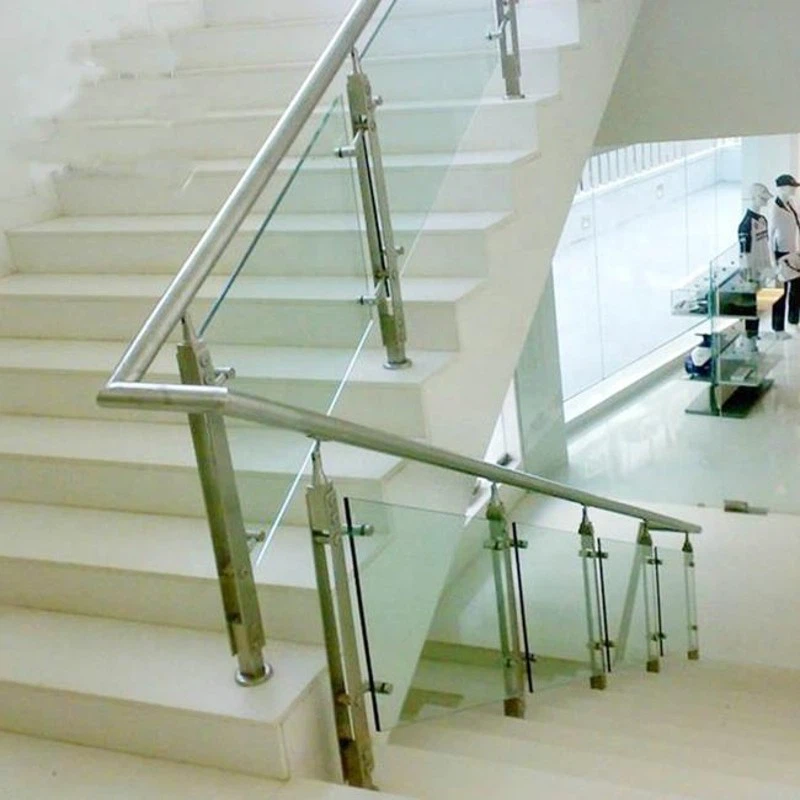
Whether you are an architect, contractor, or a building owner, we can provide you with the expertise and products you need. Contact us today to discuss your project requirements and start the journey towards creating a safe and beautiful indoor space with our glass railings.
References
- International Building Code (IBC)
- Seismic Design Manual for Glass and Glazing Systems
- American Society of Civil Engineers (ASCE) Standards for Seismic Design


