


As a tactile studs supplier, I often encounter inquiries from clients regarding the resistance of our products to oil and grease. This is a crucial aspect, especially in environments where these substances are prevalent, such as industrial sites, kitchens, and automotive workshops. In this blog, I will delve into the science behind the oil and grease resistance of tactile studs, explore the factors that influence it, and discuss the implications for different applications.
Understanding Tactile Studs
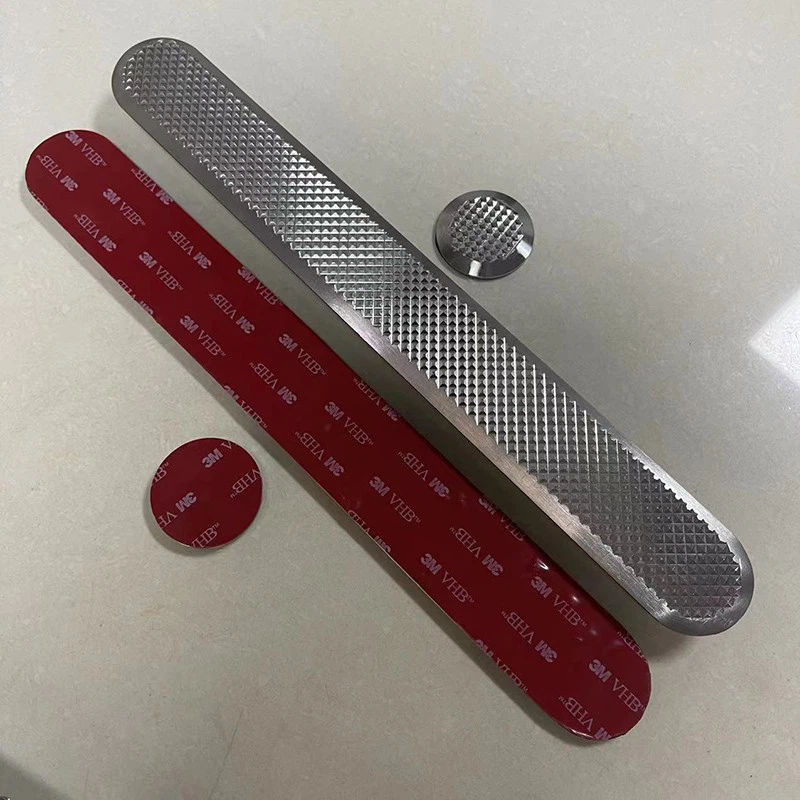
Tactile studs, also known as Tactile Ground Surface Indicators (TGSIs), are essential safety features designed to assist visually impaired individuals in navigating public spaces. These studs are typically installed on pavements, stairs, and other areas to provide tactile cues that indicate changes in the environment, such as the presence of a hazard or the direction of travel. For more information on Tactile Ground Surface Indicators, you can visit Tactile Ground Surface Indicator.
Tactile studs come in various shapes, sizes, and materials, each with its own unique properties and characteristics. The most common materials used for tactile studs include ceramic, stainless steel, and composite materials. These materials are chosen for their durability, slip resistance, and ability to withstand harsh environmental conditions. To learn more about the Australian standards for tactile indicators, check out Tactile Indicators Australian Standards.
The Importance of Oil and Grease Resistance
In environments where oil and grease are present, tactile studs must be able to resist these substances to maintain their functionality and safety. Oil and grease can cause a number of problems for tactile studs, including:
- Reduced Slip Resistance: Oil and grease can create a slippery surface on the studs, increasing the risk of slips and falls for both visually impaired and sighted individuals.
- Staining and Discoloration: These substances can penetrate the surface of the studs, causing staining and discoloration over time. This not only affects the appearance of the studs but can also make them less visible and less effective as tactile cues.
- Degradation of Materials: Prolonged exposure to oil and grease can cause the materials used in the studs to degrade, reducing their strength and durability. This can lead to premature failure of the studs and the need for costly replacements.
Factors Affecting Oil and Grease Resistance
The oil and grease resistance of tactile studs depends on a number of factors, including the material used, the surface finish, and the manufacturing process. Let's take a closer look at each of these factors:
Material Selection
As mentioned earlier, the most common materials used for tactile studs are ceramic, stainless steel, and composite materials. Each of these materials has different levels of oil and grease resistance:
- Ceramic: Ceramic tactile studs are known for their excellent oil and grease resistance. The dense and non-porous nature of ceramic makes it difficult for oil and grease to penetrate the surface, reducing the risk of staining and discoloration. Additionally, ceramic studs are highly resistant to chemical corrosion, making them suitable for use in harsh industrial environments.
- Stainless Steel: Stainless steel tactile studs also offer good oil and grease resistance. The chromium oxide layer on the surface of stainless steel provides a protective barrier against oil and grease, preventing them from adhering to the studs. However, stainless steel studs may be more prone to scratching and abrasion, which can compromise their oil and grease resistance over time.
- Composite Materials: Composite tactile studs are made from a combination of different materials, such as resin and filler. The oil and grease resistance of composite studs depends on the specific materials used and the manufacturing process. Some composite materials may be more resistant to oil and grease than others, so it's important to choose a high-quality product from a reputable supplier. To explore a wide range of tactile indicator studs, visit Tactile Indicator Studs.
Surface Finish
The surface finish of tactile studs can also affect their oil and grease resistance. A smooth and polished surface is less likely to trap oil and grease, making it easier to clean and maintain. On the other hand, a rough or textured surface may provide better slip resistance but can also be more difficult to clean and may trap oil and grease more easily.
Manufacturing Process
The manufacturing process used to produce tactile studs can also have an impact on their oil and grease resistance. For example, studs that are manufactured using a high-pressure molding process may have a more dense and uniform structure, which can improve their resistance to oil and grease. Additionally, studs that are treated with a special coating or sealant may have enhanced oil and grease resistance.
Testing and Certification
To ensure the oil and grease resistance of tactile studs, it's important to choose products that have been tested and certified to meet relevant industry standards. Look for studs that have been tested for slip resistance, chemical resistance, and durability. Some common certification standards for tactile studs include the Australian Standard AS 1428.4-2002 and the International Organization for Standardization (ISO) standards.

Applications and Considerations
The oil and grease resistance of tactile studs is particularly important in certain applications, such as:
- Industrial Sites: In industrial environments, where oil and grease are commonly used and spilled, tactile studs must be able to withstand these substances to ensure the safety of workers.
- Kitchens and Food Processing Areas: In kitchens and food processing areas, where oil and grease are present from cooking and food preparation, tactile studs must be resistant to these substances to prevent slips and falls.
- Automotive Workshops: In automotive workshops, where oil and grease are used for vehicle maintenance and repair, tactile studs must be able to resist these substances to maintain their functionality and safety.
When selecting tactile studs for these applications, it's important to consider the specific requirements of the environment, such as the type and amount of oil and grease present, the frequency of cleaning, and the expected traffic volume.
Conclusion
In conclusion, the oil and grease resistance of tactile studs is a crucial factor to consider when selecting these products for use in environments where these substances are present. By choosing high-quality studs made from materials with good oil and grease resistance, ensuring a smooth surface finish, and selecting products that have been tested and certified to meet relevant industry standards, you can ensure the safety and functionality of your tactile studs.
If you're in the market for tactile studs and have specific requirements regarding oil and grease resistance, I encourage you to reach out to us. As a leading tactile studs supplier, we have a wide range of products to meet your needs and can provide you with expert advice and guidance. Contact us today to discuss your requirements and explore our range of tactile studs.
References
- Australian Standard AS 1428.4-2002 - Design for access and mobility - Tactile ground surface indicators
- International Organization for Standardization (ISO) standards related to tactile ground surface indicators


