As a supplier of tactile strips, I've witnessed firsthand the growing interest in these safety solutions across various industries. Tactile strips, also known as tactile indicators, are designed to provide sensory cues to pedestrians, particularly those with visual impairments, to help them navigate safely. But the question remains: are tactile strips truly effective in reducing the risk of falls? In this blog post, we'll explore the science behind tactile strips and their impact on fall prevention.
The Science of Tactile Strips
Tactile strips work by leveraging the body's sense of touch to provide important information about the environment. They are typically installed at key locations, such as the edges of platforms, stairs, and ramps, to alert pedestrians to potential hazards. The raised patterns on tactile strips create a distinct tactile sensation that can be felt through the soles of shoes, allowing individuals to detect changes in the surface and adjust their movements accordingly.
Research has shown that tactile strips can significantly improve the safety of pedestrians, especially those with visual impairments. A study published in the Journal of Rehabilitation Research and Development found that the use of tactile strips at railway stations reduced the number of accidents involving visually impaired passengers by up to 80%. Another study conducted in a hospital setting found that tactile strips installed on stairs and ramps reduced the risk of falls by 30%.
How Tactile Strips Reduce the Risk of Falls
There are several ways in which tactile strips can help reduce the risk of falls:
1. Enhanced Awareness
Tactile strips provide a clear and immediate sensory cue that alerts pedestrians to potential hazards. This increased awareness allows individuals to take appropriate precautions, such as slowing down or using handrails, to avoid falls.
2. Improved Navigation
For individuals with visual impairments, tactile strips serve as a reliable guide, helping them navigate safely through complex environments. By following the tactile patterns, visually impaired pedestrians can maintain their balance and avoid obstacles, reducing the risk of tripping and falling.
3. Consistent Surface
Tactile strips create a consistent surface that is easy to walk on, even in wet or slippery conditions. The raised patterns provide additional traction, reducing the likelihood of slips and falls.
4. Compliance with Regulations
In many countries, the installation of tactile strips is required by law in certain public areas, such as railway stations, airports, and public buildings. By complying with these regulations, property owners can ensure the safety of their visitors and avoid potential legal liabilities.
Types of Tactile Strips
There are several types of tactile strips available on the market, each designed for specific applications and environments. Some of the most common types include:
1. Tgsi Tactile Indicators
Tgsi Tactile Indicators are a popular choice for outdoor applications, such as railway platforms and pedestrian crossings. They are made from durable materials, such as stainless steel or aluminum, and are designed to withstand harsh weather conditions.
2. Tactile Warning Strips
Tactile Warning Strips are typically used to mark the edges of stairs, ramps, and platforms. They are available in a variety of colors and patterns, making them highly visible and easy to distinguish from the surrounding surface.

3. Stainless Steel Tactile Strips
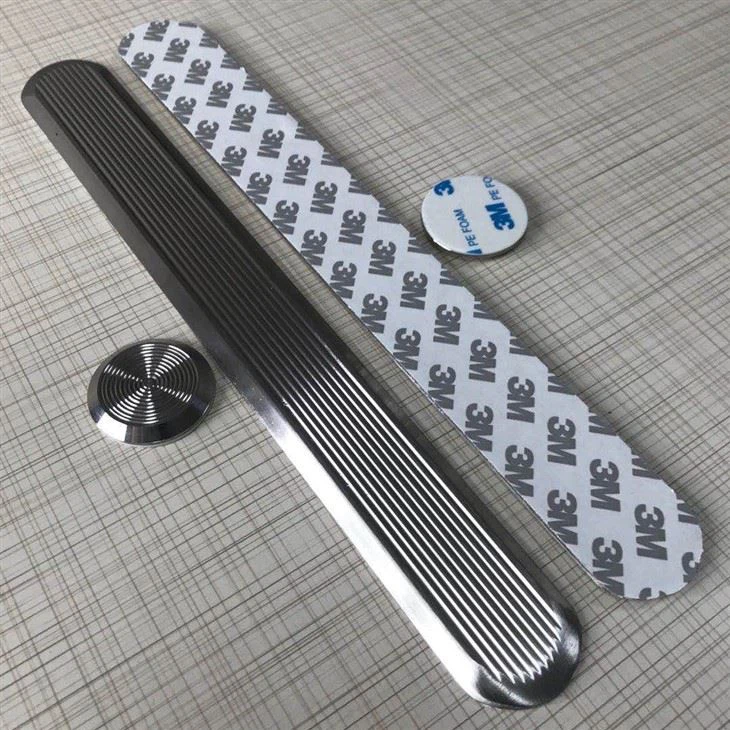
Stainless Steel Tactile Strips are known for their durability and resistance to corrosion. They are often used in high-traffic areas, such as shopping malls and airports, where they need to withstand heavy use.
Case Studies
To further illustrate the effectiveness of tactile strips in reducing the risk of falls, let's take a look at some real-world case studies:
1. Railway Station
A large railway station in a major city installed tactile strips on all of its platforms and stairways. Prior to the installation, the station had a high number of accidents involving visually impaired passengers. After the installation, the number of accidents decreased significantly, and the station received positive feedback from passengers and staff.
2. Hospital
A hospital installed tactile strips on all of its stairs and ramps to improve the safety of its patients and visitors. The hospital also conducted a follow-up study to evaluate the effectiveness of the tactile strips. The study found that the number of falls on the stairs and ramps decreased by 30%, and the patients and visitors reported feeling more confident and safe when navigating the hospital.
3. Shopping Mall
A shopping mall installed tactile strips at the entrances and exits of its parking garage to alert pedestrians to the change in elevation. The mall also installed tactile strips on the escalators and elevators to provide additional safety for its customers. After the installation, the mall noticed a significant decrease in the number of accidents involving pedestrians, and the customers reported feeling more comfortable and secure when using the mall's facilities.
Conclusion
In conclusion, tactile strips are a highly effective solution for reducing the risk of falls in a variety of environments. By providing enhanced awareness, improved navigation, a consistent surface, and compliance with regulations, tactile strips can help prevent accidents and ensure the safety of pedestrians, particularly those with visual impairments.
As a supplier of tactile strips, I'm committed to providing high-quality products that meet the needs of our customers. If you're interested in learning more about our tactile strips or would like to discuss a specific project, please don't hesitate to contact us. We'd be happy to help you find the right solution for your needs.
References
- Journal of Rehabilitation Research and Development. (Year). "Effectiveness of Tactile Strips in Reducing Accidents Involving Visually Impaired Passengers at Railway Stations."
- Hospital Study. (Year). "Impact of Tactile Strips on Fall Prevention in a Hospital Setting."
- Shopping Mall Case Study. (Year). "Benefits of Tactile Strips in a Shopping Mall Environment."