


Hey there! As a glass spigot supplier, I often get asked a bunch of questions about our products. One question that pops up quite frequently is, "Are glass spigots compatible with glass fermenters?" Well, let's dive right into this topic and break it down.
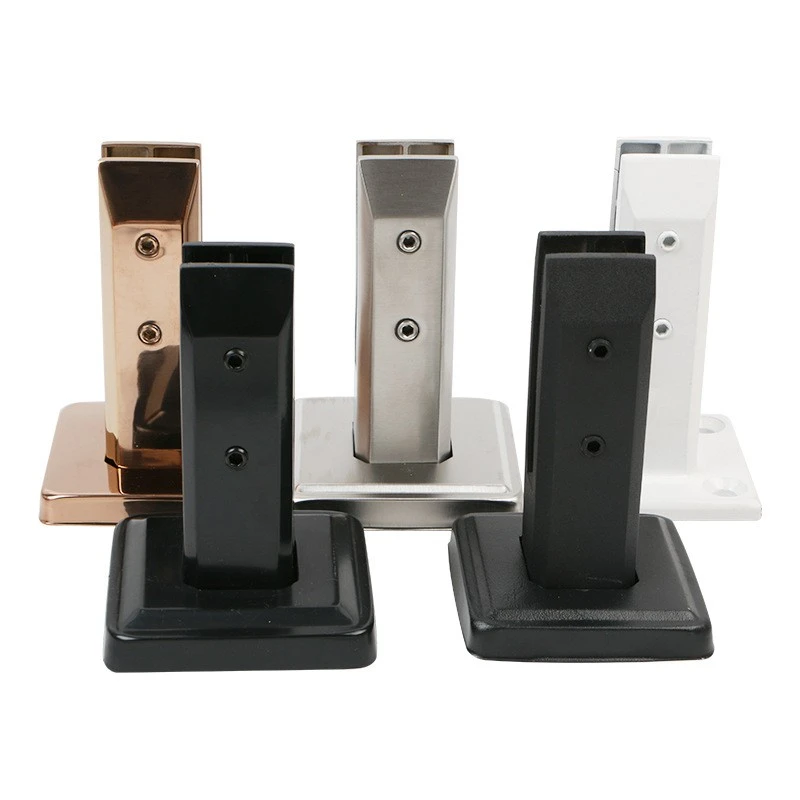
First off, what are glass spigots? You can check out some of our cool glass spigot products, like the Glass Pool Fence Spigot. These spigots are typically used in various settings where there's a need to connect or control the flow of liquid through a glass container. They're made from high - quality glass or other materials that are designed to be in contact with glass without causing damage.
Now, let's talk about glass fermenters. Glass fermenters are widely used in the brewing and winemaking industries. They're great because glass is non - reactive, which means it won't affect the taste or quality of the fermenting liquid. It also allows you to easily monitor the fermentation process by just looking at it.
So, the big question is, are they compatible? The short answer is, in most cases, yes! Here's why.
Chemical Compatibility
Glass spigots, especially those made from high - grade borosilicate glass, have excellent chemical resistance. This is crucial when it comes to fermenters because the fermentation process involves the production of various acids, alcohols, and gases. For example, in beer brewing, yeast converts sugars into alcohol and carbon dioxide. The glass spigot can withstand these chemical changes without leaching any harmful substances into the fermenting liquid. This ensures that the final product, whether it's beer or wine, remains pure and safe for consumption.

Physical Compatibility
In terms of physical fit, glass spigots can be designed to work perfectly with glass fermenters. They can be custom - made to match the size and shape of the fermenter's opening. Most glass fermenters have standard opening sizes, and we offer a range of spigot sizes to fit these openings. The spigot is usually attached to the fermenter using a rubber or silicone gasket. This creates a tight seal that prevents any leaks during the fermentation process. You don't want any of that precious brew leaking out, do you?
Hygiene and Cleanliness
Another important aspect is hygiene. Glass is a very hygienic material. It's smooth and non - porous, which means it's easy to clean and doesn't harbor bacteria. When using a glass spigot with a glass fermenter, it's essential to maintain a high level of cleanliness. You can easily disassemble the spigot and clean it thoroughly between batches of fermentation. This helps to prevent any contamination that could spoil the next batch of your brew.
Durability
Both glass spigots and glass fermenters are known for their durability. Glass is a strong material that can handle the pressure changes that occur during fermentation. The spigot valve mechanism is designed to be reliable and long - lasting. You won't have to worry about the spigot breaking or malfunctioning in the middle of a fermentation process. This reliability is crucial for professional brewers and winemakers who rely on consistent results.
However, there are a few things to keep in mind when using glass spigots with glass fermenters.
Installation
Proper installation is key. If the spigot is not installed correctly, it can lead to leaks or even breakage. Make sure to follow the installation instructions carefully. If you're not confident in your installation skills, you might want to seek the help of a professional.
Temperature Changes
Glass can be sensitive to rapid temperature changes. During the fermentation process, the temperature can fluctuate. It's important to allow the glass spigot and fermenter to adjust gradually to any temperature changes. Sudden changes can cause thermal stress, which might crack the glass.
Handling
Be careful when handling glass spigots and fermenters. They are breakable, after all. Avoid dropping or hitting them against hard surfaces. When cleaning or moving them, use appropriate safety equipment like gloves to prevent any injuries in case of breakage.
If you're looking for a reliable glass spigot for your glass fermenter, we've also got the Spigot Glass Railing System which offers a great range of options. And if you're interested in different styles, the Glass Balustrade Spigots might catch your eye.
In conclusion, glass spigots are generally very compatible with glass fermenters. They offer chemical resistance, a good physical fit, hygiene, and durability. But you need to take proper care during installation, temperature changes, and handling.
If you're in the market for high - quality glass spigots for your glass fermenters, don't hesitate to reach out. We're here to help you find the perfect solution for your needs. Whether you're a homebrewer just starting out or a large - scale winery, we've got the products and expertise to support you. Contact us to start discussing your requirements and let's get your fermentation process running smoothly!
References
- Brewers Association. (Year). Best Practices for Fermentation Equipment.
- Wine Institute. (Year). Guide to Winemaking Equipment and Materials.


